
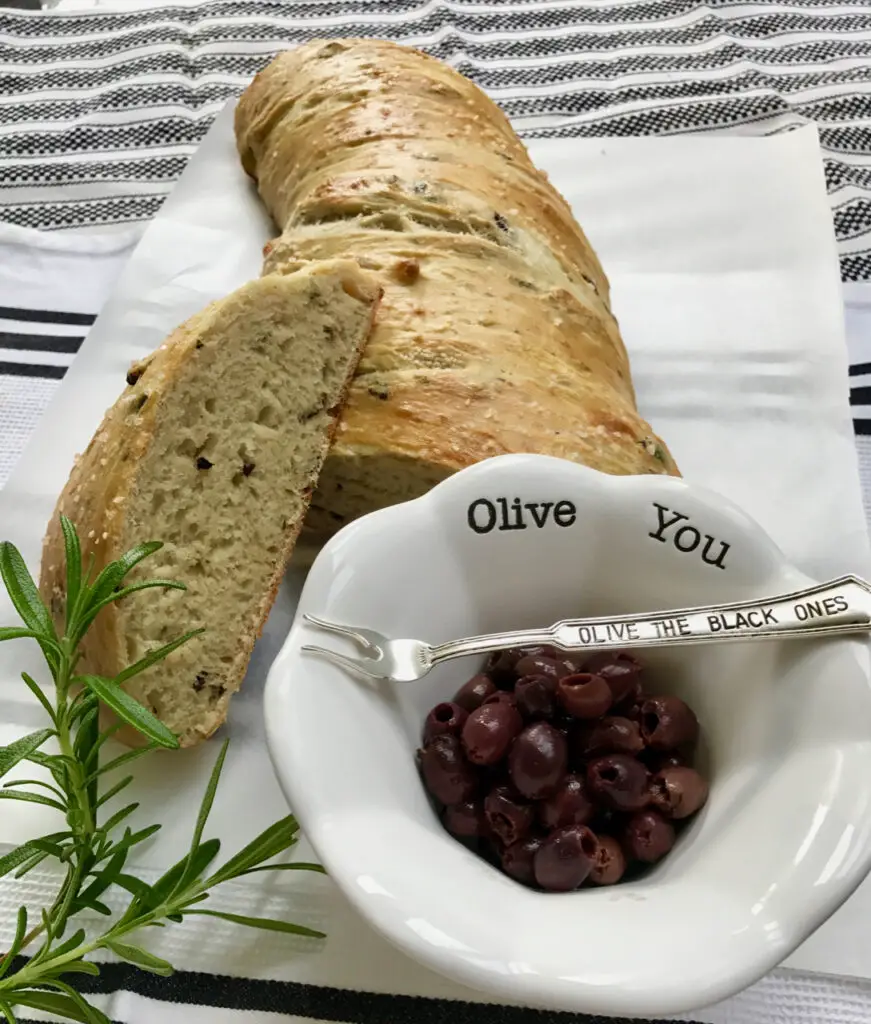
Bake this rustic rosemary olive bread with black olives, fragrant herbs, and a crisp artisan crust. Perfect with soups, salads, cheese boards, or dinner.
Rosemary Olive Bread
Rosemary Olive Bread
There is something magical about baking bread. Before the first slice is ever cut, your kitchen fills with the comforting aroma of warm yeast, rosemary, and slowly caramelizing crust. It has a way of gathering people into the kitchen long before dinner is ready.
This rosemary olive bread became one of those recipes I found myself making over and over because it feels special without requiring complicated techniques. Studded with flavorful black olives and fresh rosemary, every slice offers a wonderful balance of earthy herbs, savory olives, and a chewy artisan texture. It looks as though it came from a neighborhood bakery, yet it comes together beautifully in an ordinary home kitchen.
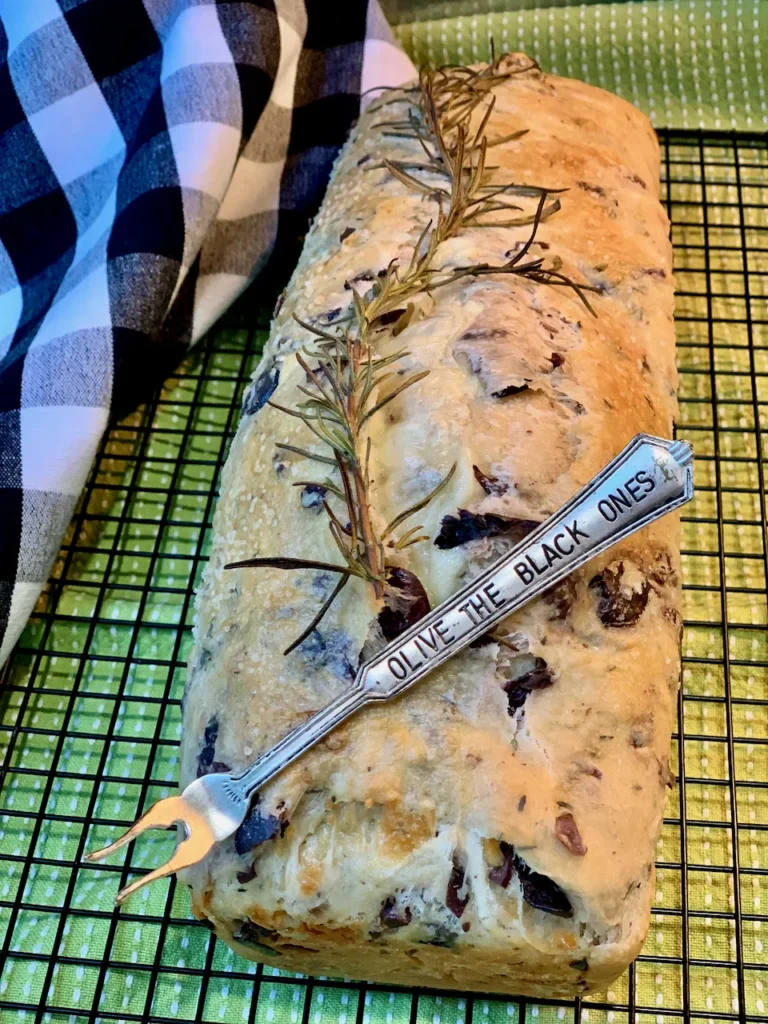
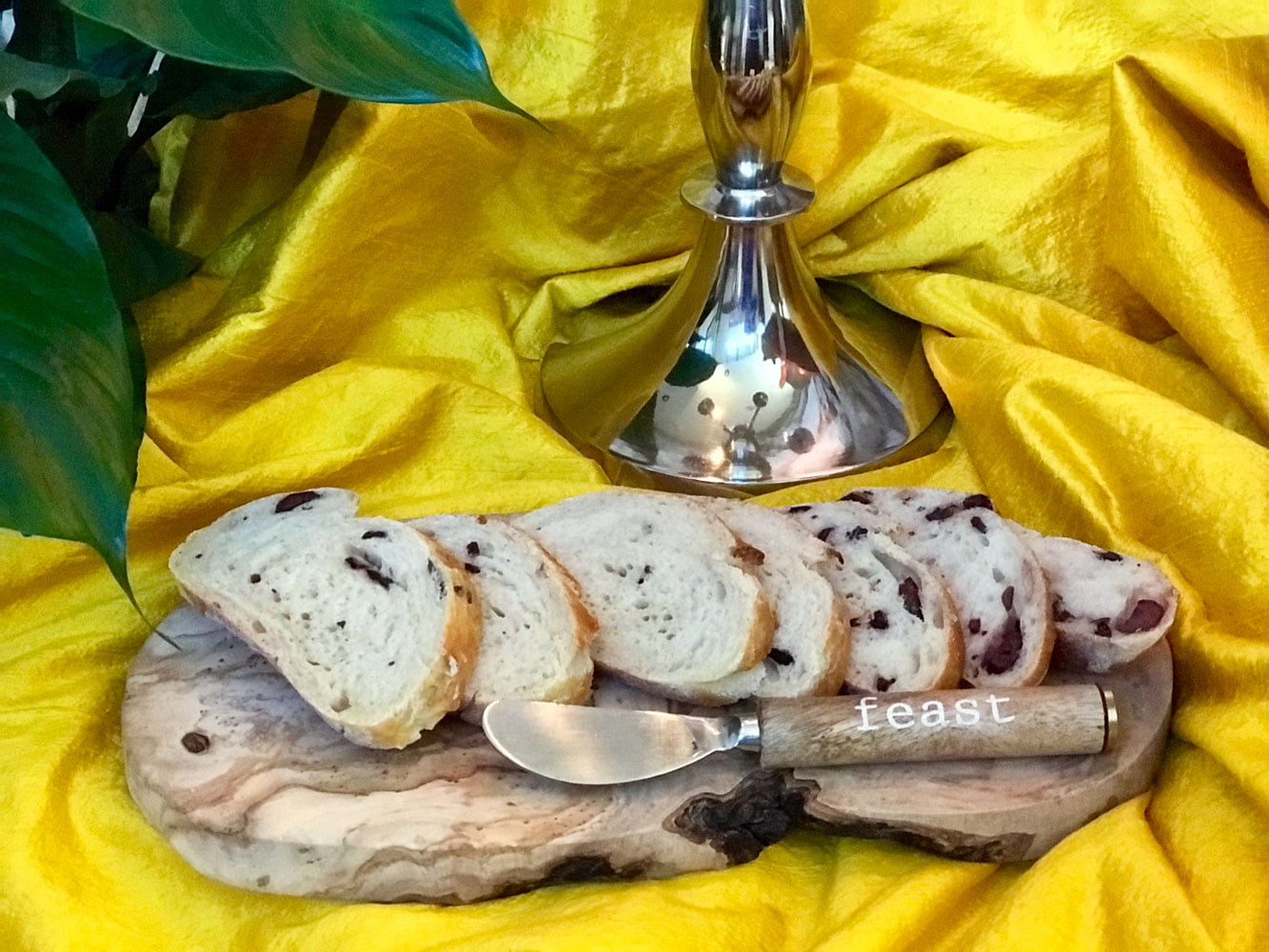
Rustic Artisan Bread Filled with Rosemary and Black Olives
Whether served alongside a hearty soup, dipped into olive oil, piled high with Mediterranean sandwiches, or simply toasted with butter the next morning, this rosemary olive bread always finds a welcome place at the table.
After years of cooking professionally and teaching others to cook, I’ve learned that homemade bread doesn’t have to be intimidating. Sometimes the simplest ingredients create the most memorable meals.
Why You’ll Love This Rosemary Olive Bread
A Bakery-Style Loaf at Home
The crust bakes beautifully golden while the inside stays soft, chewy, and tender.
Rustic Appearance
Each loaf develops its own unique artisan character with beautiful cracks and an inviting crust.
Mediterranean Flavor
Fresh rosemary and black olives give this bread an unmistakable Mediterranean personality.
Perfect for Every Meal
Enjoy it with soups, salads, pasta, grilled seafood, charcuterie boards, or simply toasted for breakfast.
Ingredients and Tools You’ll Need
Rosemary Olive Bread Ingredients and Why They Matter
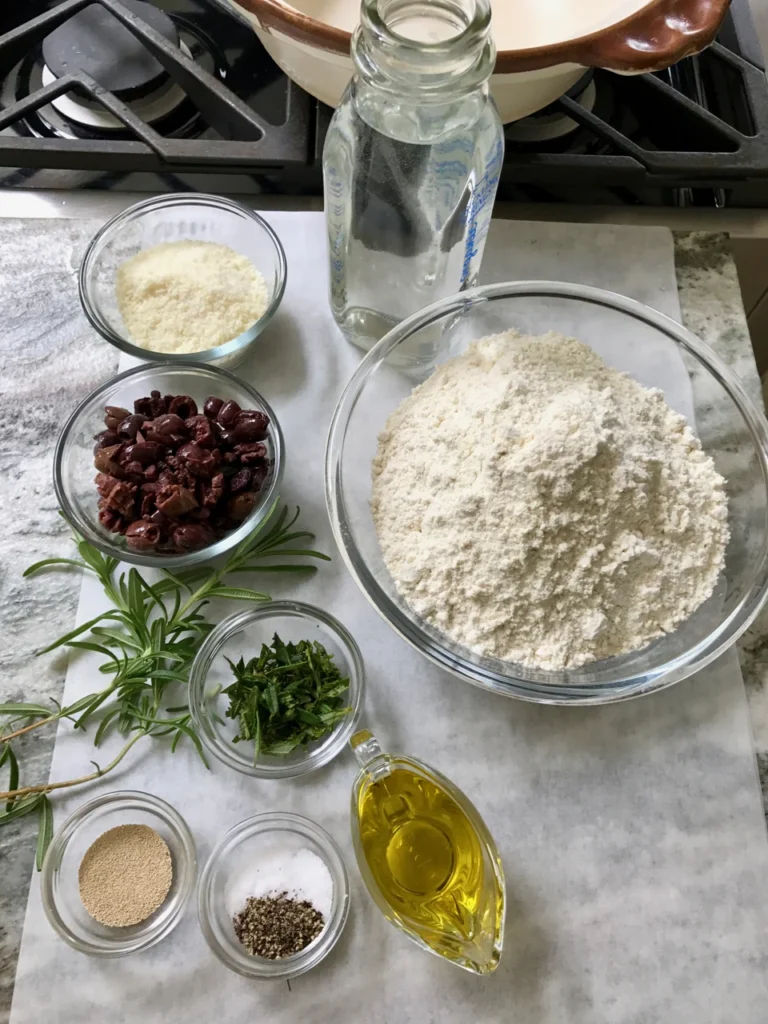
- Bread Flour – Bread flour creates the chewy structure and crisp crust that gives artisan bread its signature texture. All-purpose flour works in a pinch but produces a softer loaf.
- Active Dry Yeast – Yeast gives the bread its rise while creating the wonderful airy crumb inside.
- Warm Water – Water activates the yeast. It should feel warm but never hot, as excessive heat can damage the yeast.
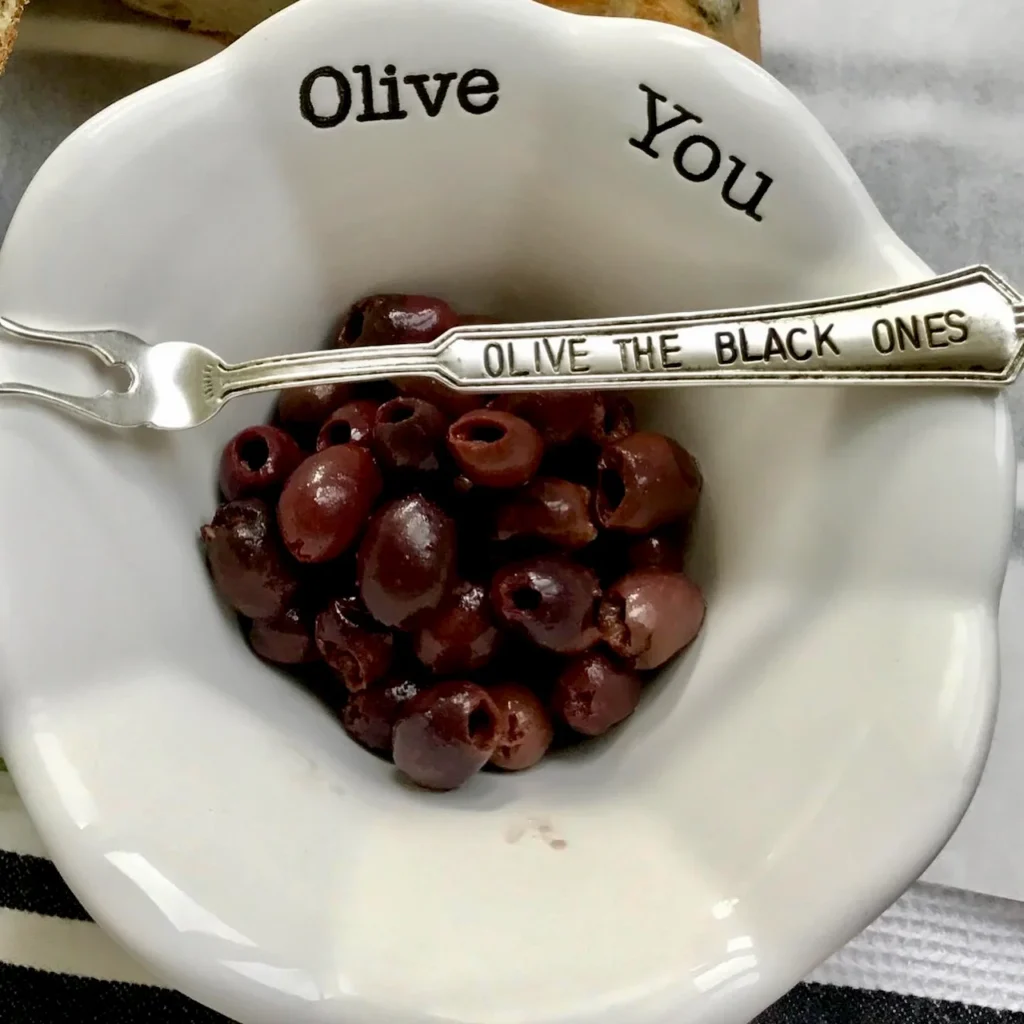
- Black Olives – Black olives add bursts of savory richness throughout every slice. Drain them well so they don’t add excess moisture to the dough.
- Fresh Rosemary – Fresh rosemary perfumes the bread with piney herbal flavor that pairs beautifully with olives.
- Olive Oil – A small amount enriches the dough while adding subtle Mediterranean flavor.
- Salt – Salt strengthens the dough while enhancing every other ingredient.
Optional Additions
- Roasted garlic cloves
- Parmesan cheese
- Sun-dried tomatoes
- Kalamata olives
- Fresh thyme
- Cracked black pepper
Tools and Why They Matter
- Large Mixing Bowl – Allows the dough room to rise properly.
- Dough Scraper – Makes handling sticky dough much easier while keeping the work surface clean.
- Dutch Oven or Baking Stone – Creates bakery-style steam for a crisp crust. If you don’t have either, a heavy baking sheet works well.
- Cooling Rack – Cooling completely before slicing keeps the crumb from becoming gummy.
How to Make Rosemary Olive Bread
- Step 1: Activate the Yeast – Combine warm water with the yeast according to your recipe instructions until the yeast becomes foamy and active.
- Step 2: Mix the Dough – Add the flour, olive oil, salt, chopped rosemary, and drained olives. Stir until a shaggy dough forms.
- Step 3: Knead – Knead until the dough becomes smooth, elastic, and slightly tacky. The olives will become evenly distributed throughout the dough.
- Step 4: First Rise – Place the dough into a lightly oiled bowl, cover, and allow it to double in size.
- Step 5: Shape the Loaf – Turn the dough onto a lightly floured surface and gently shape into a round artisan loaf or oval bâtard.
- Step 6: Second Rise – Allow the shaped loaf to rise again until noticeably puffy.
- Step 7: Bake – Bake in a hot oven until the crust turns deep golden brown and the loaf sounds hollow when tapped.
- Step 8: Cool – Resist slicing immediately. Cooling allows the interior structure to finish setting for the best texture.
Expert Tips for Success
Don’t Add Too Much Flour – Slightly sticky dough produces lighter bread.
Pat the Olives Dry – Removing excess moisture helps maintain the dough’s structure.
Chop Rosemary Finely – Smaller pieces distribute flavor more evenly throughout the loaf.
Use Steam – A Dutch oven or pan of hot water in the oven creates a beautifully crisp crust.
Let It Rest – Fresh bread continues cooking internally after leaving the oven.
From My Garden
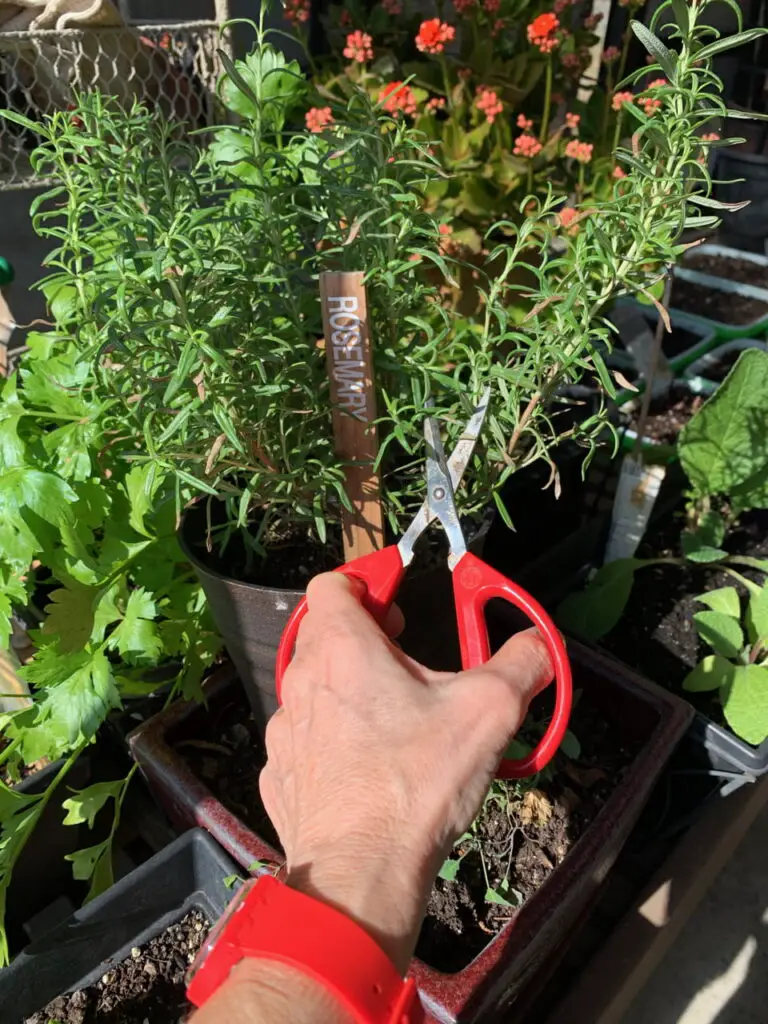
Rosemary is one of those faithful herbs that asks for very little and gives generously all year long. I grow several rosemary plants because they’re just as beautiful in the garden as they are useful in the kitchen. A quick snip before baking releases their fragrant oils, filling the kitchen with an aroma that instantly feels welcoming.
Fresh herbs remind us that some of the best flavors don’t come from a bottle or spice jar, they begin just outside the back door. It’s one more reason gardening and cooking have always gone hand in hand in my life.
Frequently Asked Question about My Rosemary Olive Bread
Can I use green olives instead of black olives? Absolutely. Green olives create a slightly brighter, saltier flavor.
Can I freeze this bread? Yes. Wrap it tightly after cooling completely. Freeze for up to three months.
Can dried rosemary be substituted? Yes, although fresh rosemary provides the best flavor. Use about one-third the amount if substituting dried rosemary.
Why didn’t my bread rise? The yeast may have been expired, or the water may have been too hot or too cold.
How should leftovers be stored? Store at room temperature in a bread bag or wrapped in a clean kitchen towel for several days.
What Goes Well with Rosemary Olive Bread?
Since a tapas spread is often the way Mediterranean meals are served, lots of small plates to select from, here are just a few I like to serve with my rosemary olive bread:
- Tzatziki – More black olives in a mix of cucumber, yogurt and mint. An easy healthy salad-type dish to serve.
- Caprese Bites on a stick – Another type of light salad of tomatoes, cheese and spinach, but on a stick.
- Crispy Oysters on the Half Shell over creamy mac and cheese, topped with bacon for an elegant and indulgent appetizer perfect for entertaining.
- Homemade Hummus an authentic hummus just like my Syrian mother made, starting with soaked chickpeas and 5 other ingredients, from scratch.
- Tortellini Skewer Appetizers, the ideal charcuterie on a stick for parties, holidays, or summer gatherings.
- Pomegranate Martini – with pomegranate vodka, the sweetness of cranberry juice and the zing of lime makes for a beautiful holiday sip.
More Homemade Breads To Love
Once we get over the apprehension of working with yeast dough, the sky’s the limit as to the many variations of bread we can make. Here are just a few of my favorites:
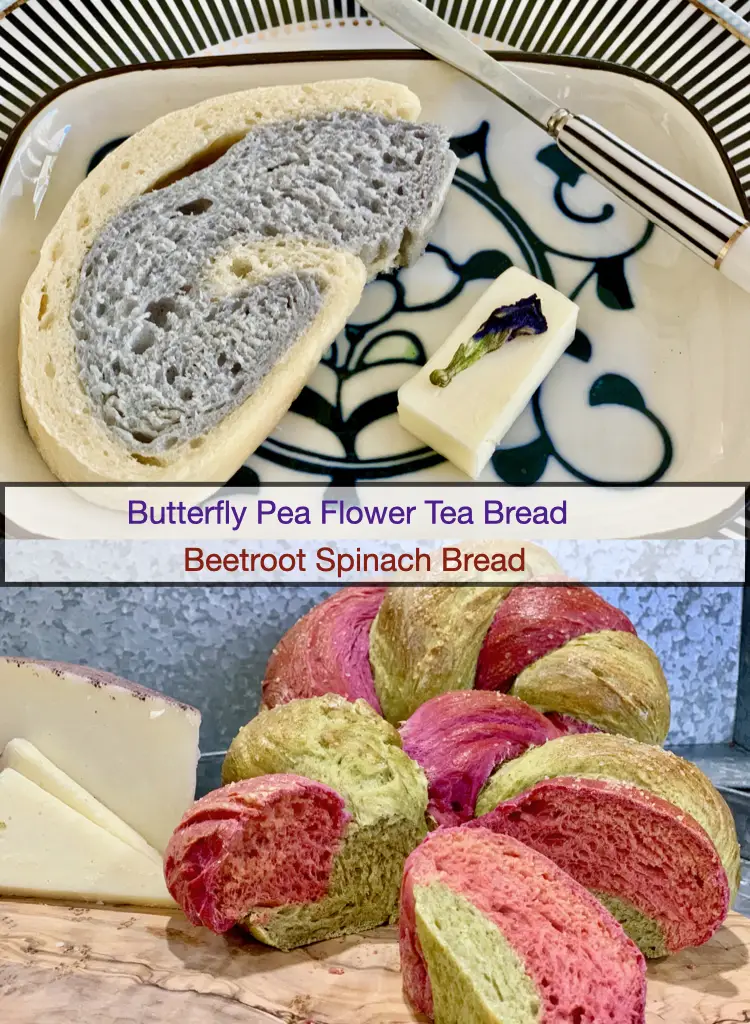
- Beetroot Spinach Bread – is a delicious, healthy, showstopper of beetroot with garlic dough and spinach with lemon dough, braided together.
- Butterfly Pea Flower Tea Bread – a delicate tea made from butterfly pea flowers, then the tea is the base for a purple and white bread.
- Cranberry Almond Yeast Bread – made from fresh cranberries, crushed almonds, orange zest and cardamom, risen and baked into a beautiful bread!
- Spelt Kefir Yeast Bread – a hearty dense spelt flour bread with gut healthy kefir, baked to perfection in a yeast dough recipe.
Every Meal Has a Story
Fresh bread has always represented more than something to eat in my kitchen. It slows us down. It encourages us to gather around the table, tear off a warm piece, and linger just a little longer over conversation.
This rosemary olive bread reminds me that simple ingredients often create life’s richest memories. Flour, water, olives, rosemary, and a little patience become something worthy of sharing. Whether you’re baking it for family, neighbors, or simply yourself, I hope each loaf becomes part of your own story around the table.
After all, Every Meal Has a Story.
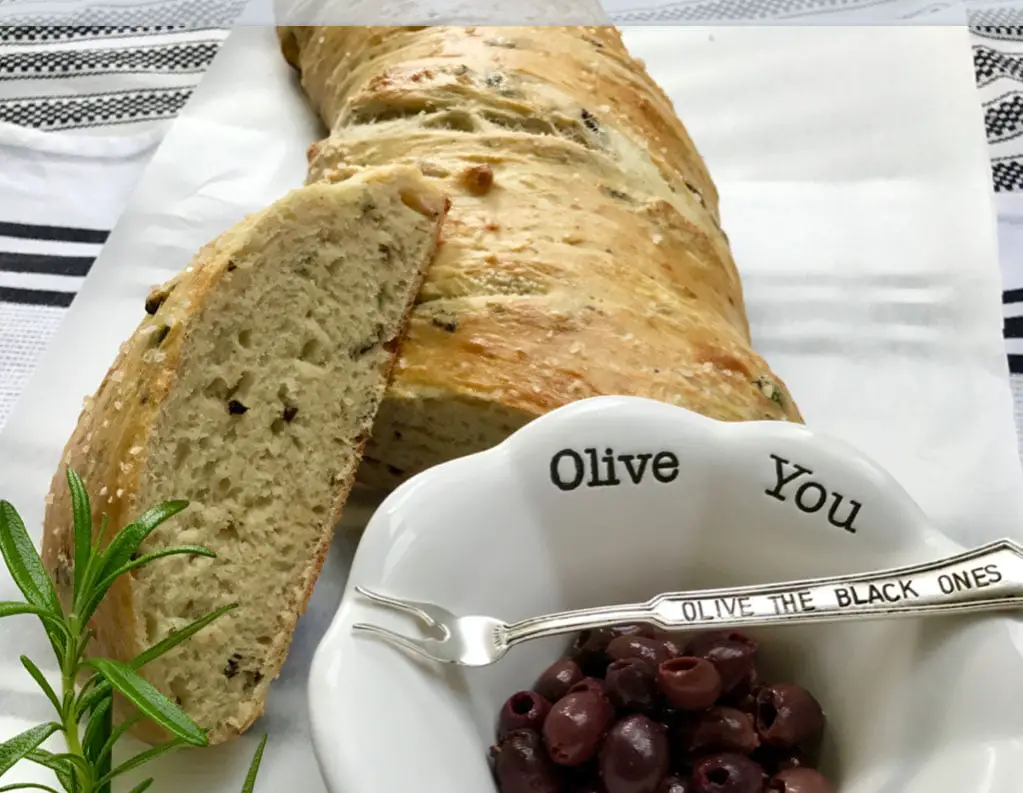
Rosemary Olive Bread Recipe – Rustic Artisan Loaf
Equipment
- Large bowl
- Cookie sheet
- Basting brush
Ingredients
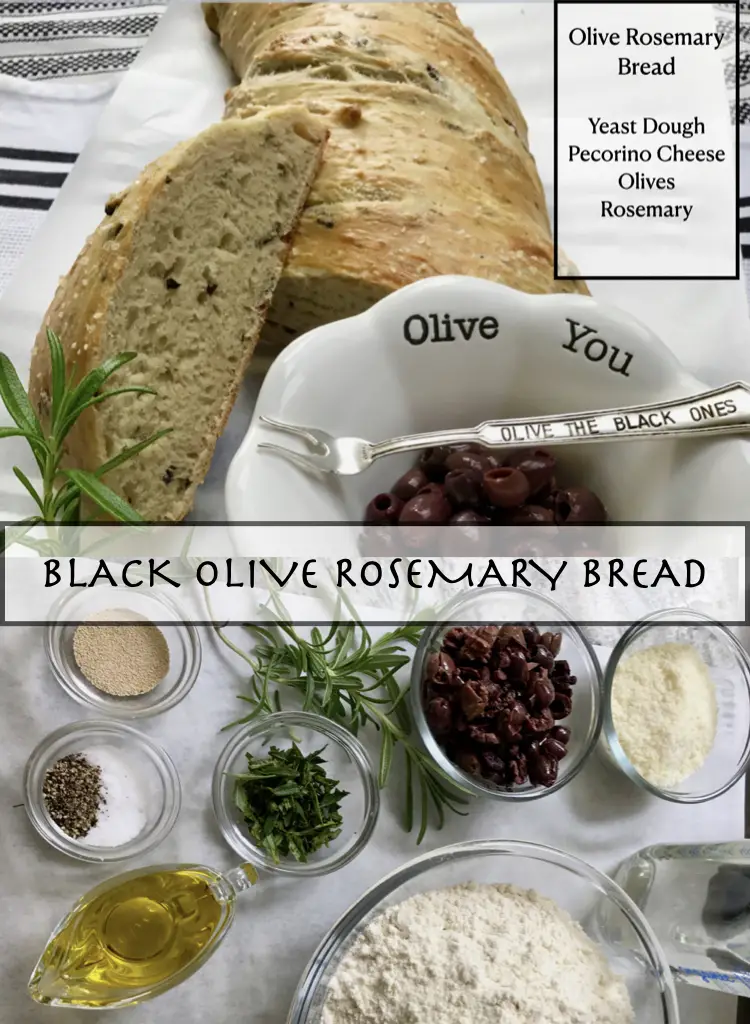
- 2 tsp Yeast
- 2 tsp Sugar
- 1 1/2 cups Water room temperature
- 1 tbsp Salt
- 1/2 tsp Pepper coarse grind
- 2 tbsp Rosemary fresh or dried, chopped
- 1/2 cup Grated cheese optional
- 1 cup Black Olives chopped
- 1/4 cup Olive oil
- 4-5 cups All Purpose Flour extra for dusting
- 1 Egg egg wash
- pinch Coarse sea salt sprinkle on top
Instructions
- Place the yeast, sugar and water in a bowl and let sit for 5 minutes to form a foam.
- Add salt, pepper, rosemary, cheese, olives and olive oil. Mix. Slowly blend in flour, adding a little at a time until it becomes too difficult to stir with a spoon. Time to get a little messy. Sprinkle flour on top of the dough and use your hand to press the flour into the dough. Turn the dough over and sprinkle more flour, press and turn. Continue like this until the dough is no longer sticky.
- Oil a clean bowl, and place the dough in the bowl. Cover and let it rise in a warm (not hot), spot until double in size; an hour.
- Preheat the oven to 400 degrees.
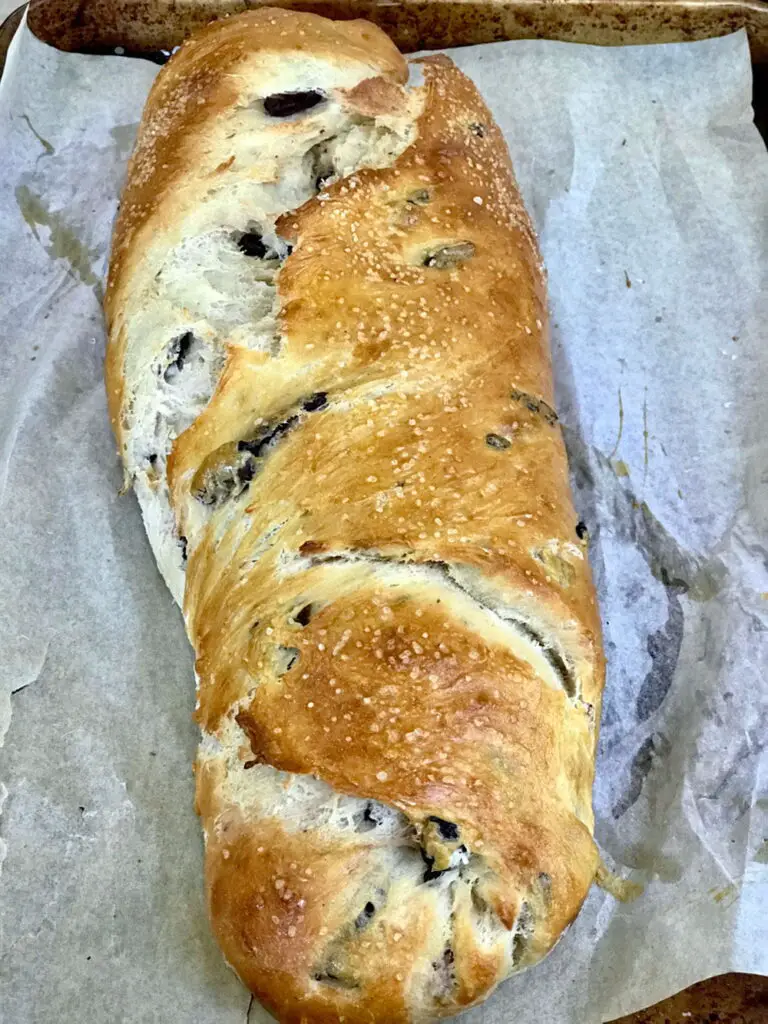
- Sprinkle a little flour on top of the risen dough, punch it down. Sprinkle a little flour onto a work surface, enough to shape the dough into one large log or 2 medium logs. Place the dough onto a baking sheet.Whisk the egg with a drizzle of water, and brush the egg wash across the top and sides of the bread dough. Sprinkle course salt on top and pop into the hot oven.
- Bake for 18 – 20 minutes or until top is golden.

I believe the table... that place that draws people to gather, is the most powerful symbol of togetherness. All that happens before the table is set, the planning, the gathering, the preparing, are all an intricate part of the dance that create the mood of celebration to share with friends and loved ones.
Absolutely beautiful, Robin ! Printed to make. Thank you very much for beautiful text. I wish you enjoy your day !
I made this bread exactly as written but my bread was dense – not light and airy. Did I do something wrong – any ideas?
Hello Melanie! Thank you so much for giving my recipe a try. I am so sorry if the texture came out dense for you, it is pretty much the same bread dough ratios I use in all my bread making, which as you can see on my blog, I am nuts about bread and have made lots of kookie combinations. That being said, not knowing how the texture of your dough felt or looked, rising time and all the other variations that come into bread making, I have in fact discovered a tip that makes an amazing difference in bread making, and because you have brought this to my attention, I will go back and include this secret in all my bread blog posts! The secret? Potato water! If you take 1 little potato, peel, chop and boil in about 2 cups of water, remove when soft, cool the water to below 115 degrees (or until your finger can stay in to the count of 10), use this water as the water in all bread recipes and it works like magic! The starch in the potato water gives yeast dough the extra help it needs, especially in cold weather, to rise fast. Please, let me know if this secret works for you, as I am confident it will. And thank you again!
Thank you so very much for taking the time and effort to reply to my post. I’m 67 and have done very little bread making. I’ve experimented several times, recently, usually with disappointing results. Something Must be incorrect with my process ?!?!?