
This authentic chermoula recipe is a classic Moroccan herb sauce bursting with fresh herbs, garlic, citrus, and spice. A bold marinade for many dishes.
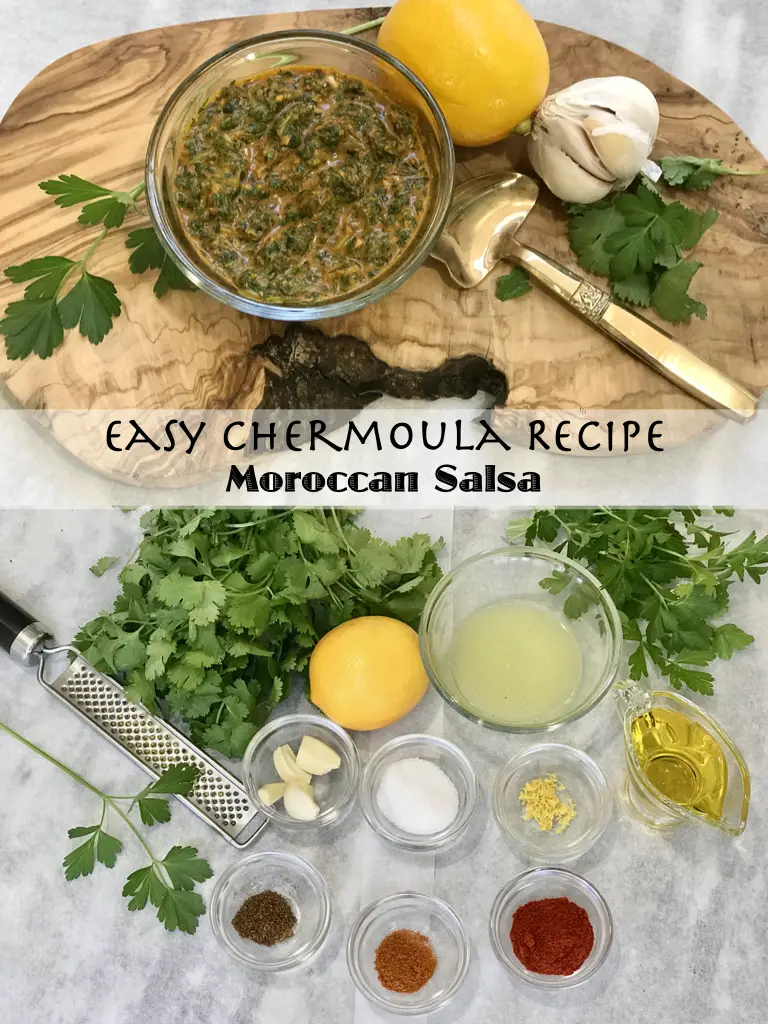
Chermoula – The Bold North African Herb Sauce You’ll Want On Everything
There are sauces that sit politely on the side of a plate… and then there is chermoula, vibrant, garlicky, citrus-kissed, and unapologetically bold.
Chermoula is a classic herb sauce and marinade from North Africa, especially beloved in the kitchens of Morocco, Algeria, and Tunisia. Traditionally paired with fish and seafood, it has long been the flavor backbone of coastal cooking, a bright mixture of fresh herbs, garlic, warm spices, olive oil, and lemon that transforms even the simplest ingredients into something deeply aromatic and memorable.
The first time you taste chermoula, it feels like stepping into a sun-soaked spice market. Fresh cilantro and parsley bring a grassy vibrance. Garlic adds depth. Cumin and coriander hum warmly in the background. Lemon lifts everything with brightness. Olive oil ties it together in silky richness.
Looking For Instant Flavor To Everyday Food?
This popular North African lemony chermoula finds its way to a variety of dishes, simply because it brings both refreshing as well as intense rich flavors to anything it is served with.
While in some parts of the world, a basic chermoula is thought of as an African marinade or a delicious Moroccan sauce, over here in America it is simply the best garlicky herb sauce I know!
Chermoula or charmoula, pronounced sher-moo-lah, may have found its roots in North Africa, but I first discovered it in my hair salon through the French Moroccan owner.
Ever since he said, “Simple ingredients, such as fresh herbs, lemon, garlic, warm spices and olive oil, a great dipping sauce, pasta sauce, or likened to a salsa verde”, it has remained in my kitchen.
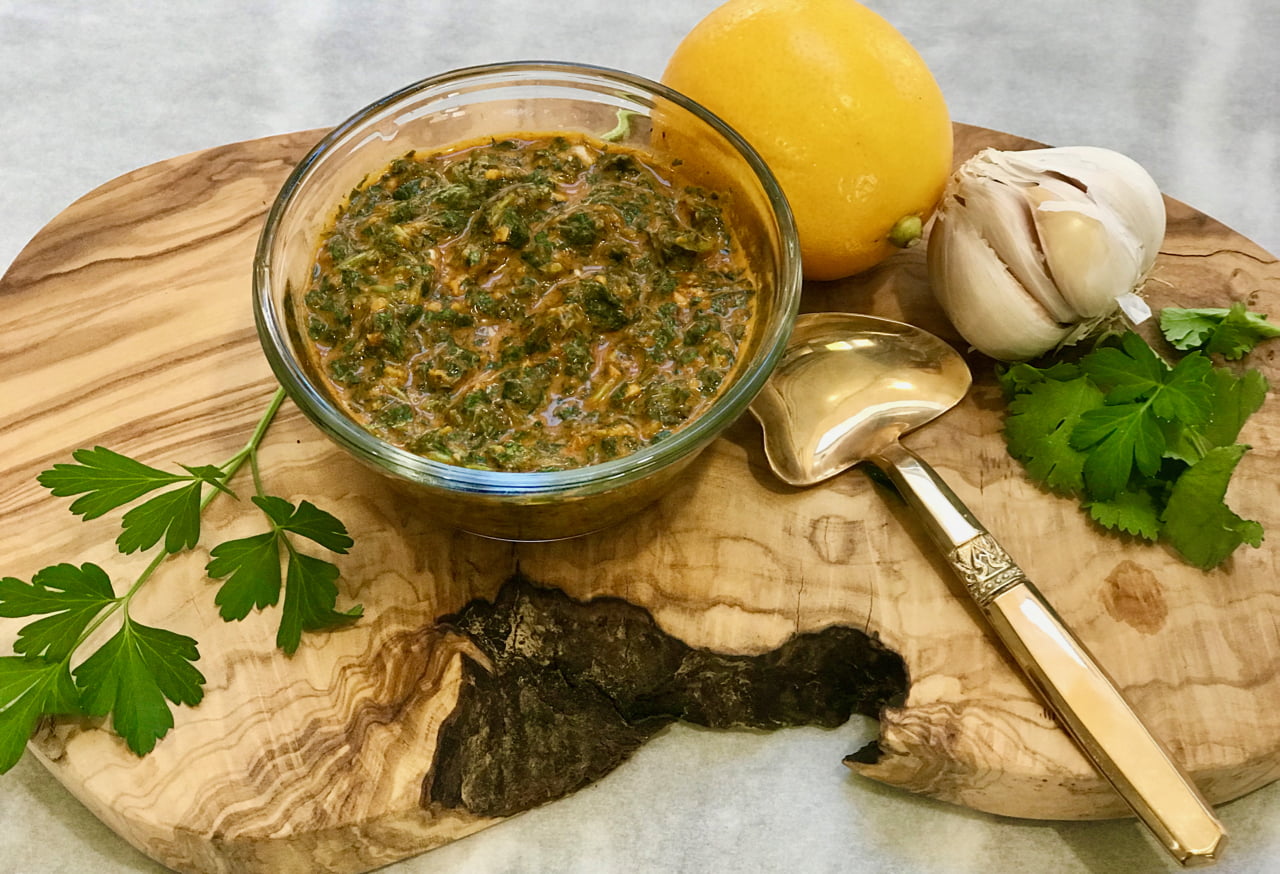
For The Love Of A Great Sauce
What I love most about chermoula is that it refuses to be subtle. Spoon it over roasted vegetables and they wake up. Spread it over grilled chicken and suddenly dinner tastes like it traveled. Stir it into grains, swirl it into yogurt, or use it as a marinade, it’s the kind of sauce that turns everyday cooking into something layered and worldly without requiring anything complicated.
And like so many traditional sauces, there is no single “correct” recipe. Some versions lean heavy on cilantro, others on parsley. Some add preserved lemon or a touch of chili heat. Every household carries its own signature.
Chermoula isn’t just a condiment, it’s a celebration of herbs, spice, and the kind of cooking that relies on instinct as much as measurement.
Moroccan Chermoula
Every wonderful recipe, worldwide, has a great sauce made from fresh herbs, or a salad dressing, also made from fresh herbs.
Many of us look to these ‘green sauces’ as a type of salsa, meaning ‘sauce’.
The Moroccan version of chermoula can be spicy with the heat of hot peppers or harissa paste, or mild with lots of fresh lemons.
Depending on the dish it is being served with, fish, meat, roasted vegetables, or as a marinade, chermoula is a very versatile sauce.
Creativity In Home Cooking
Home cooking can seem a challenging, daily task until we have collected numerous and diverse flavors to add to whatever it is we are cooking.
One of the greatest places in the world to bring such an array of spices, oils, herbs and flavors into our cooking, is borrowing many ingredients from Moroccan recipes.
Some of the oldest recipes in the world were first documented in this part of the world.
Just google how many food related words come out of the Bible and the Quran; food stories that were first created in, what is now, Morocco, Andalusia and other parts of the Arab world.
Ancient History As It Relates To This Easy Recipe
While both of these historic scripts speak frequently about foods that are forbidden, prohibited or simply not recommended for the body, one area of food that is elevated and widely embraced, are the many ways to flavor food.
Spices, herbs, vegetables, grain, nuts and seeds are as old as… well, dirt, and much of Middle Eastern and Mediterranean recipes are rich with these ingredients.
Herb Sauces As Flavor Enhancers
Where would a goat, lamb, pigeon or fish get its exotic flavor, had it not been for the ancient cooking practices we enthusiastically embrace to this day?
Today I would enjoy to share with you a favorite flavor enhancer; Chermoula.
What is Chermoula, you ask?
Moroccan food prides itself on the exotic and diverse flavors found in Moroccan recipes.
Chermoula recipes vary a little depending on the fresh herbs that can be acquired, ratio of cilantro to parsley, thickness of chermoula and whether you use fresh lemons of preserved lemon.
No matter, the best Chermoula is made weekly in large batches and used throughout the week in numerous Moroccan recipes.
Chermoula For Bold Flavors
What comes to mind when we think of ‘salsa’? For me, it is a balance of a chosen acidic ingredient, like wine, red wine vinegar or a citrus of choice, and a good quality extra virgin olive oil.
With much travel and a passion for other cultures and their flavors, I have come to embrace a salsa as a flavorful sauce we combine, to impart great flavor into our food.
This, Chermoula sauce has much flavor, from the use of warm spices, balanced with fresh herbs and the zing of lemon.
It is now a regular in my kitchen and hope it will be in yours as well. While it is widely used in Morocco for fish dishes, I love it with meat and vegetarian dishes!
Every Country Has Its Own Salsa
Chermoula is to Moroccan Food, what Salsa Verde is to Italian and Spanish, and Chimichurri is to the Argentines.
For sure there are different ways to make a salsa, however salsa is is basically an uncooked sauce.
The fresh herbs and spice mix one chooses to use will depend on the different dishes is is being served with. But for sure, they are all fast and easy to assemble and loaded with flavor!
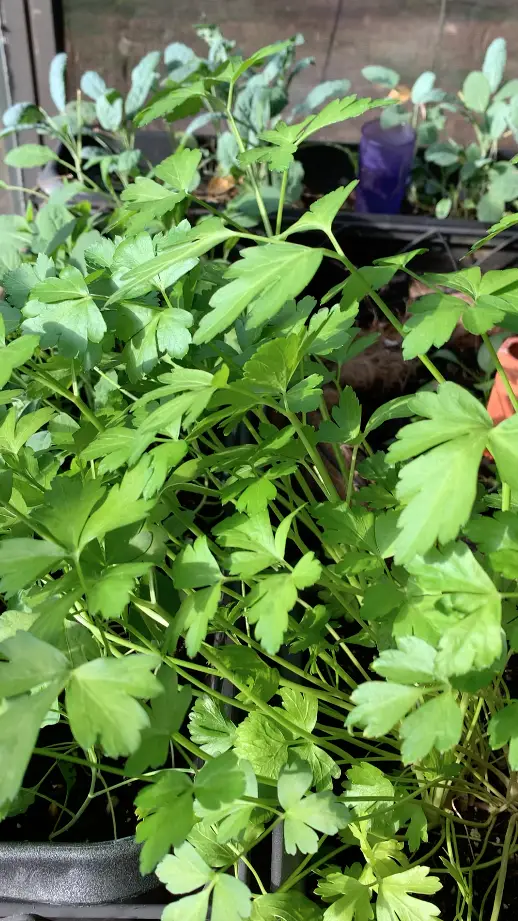
Fresh Herbs In Moroccan Chermoula
I find Herbs to be an important element of cooking, especially in the cooking of Moroccan food.
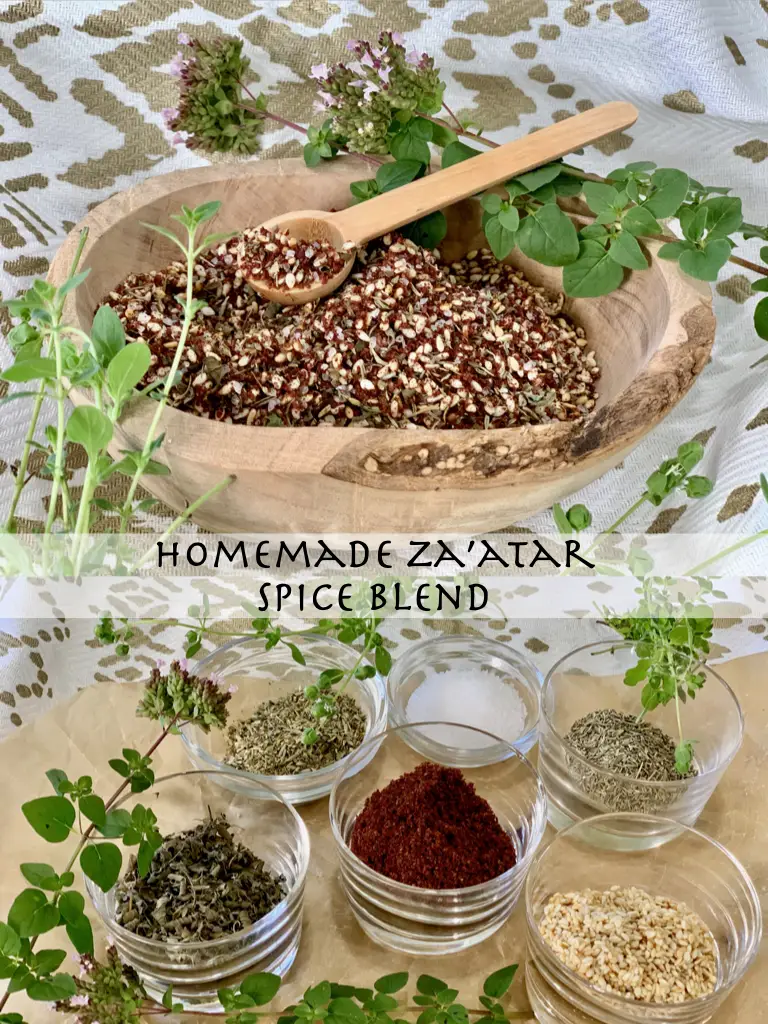
And while today, many spice blends can be purchased from various places, we grew up learning how to mix our own blend of herbs, like Za’atar, a popular Middle Eastern spice blend.
When growing up, here in America, I only saw herbs used primarily as a garnish in restaurants.
But in my home, with my Syrian mom, herbs were always used in salads and sauces.
It is most common now to see American cooks gathering bunches of herbs tied together and used to flavor the cooking in liquids, such as bone broth, sauces, stews and soups.
However, I find they retain so much more of their flavor when chopped fine and left uncooked. For this reason, I’ve embraced the passion for growing much of my own herbs now.
Spices For A Chermoula Sauce
Cooking with spices is something we Americans have only widely embraced in the last few decades. I believe we have television cooking programs to thank for that!
Julia Childs, Graham Kerr, James Beard, Gordon Ramsay, Madhur Jaffrey, Martha Stewart and Nigella Lawson all contributed to my personal education in the cooking world.
Through these culinary icons, a broader understanding of spices have contributed to the recipes I now create in my own cooking.
The warm spices used in chermoula can vary, depending on the recipe, such as those used in Tunisian cooking, vs African cuisine.
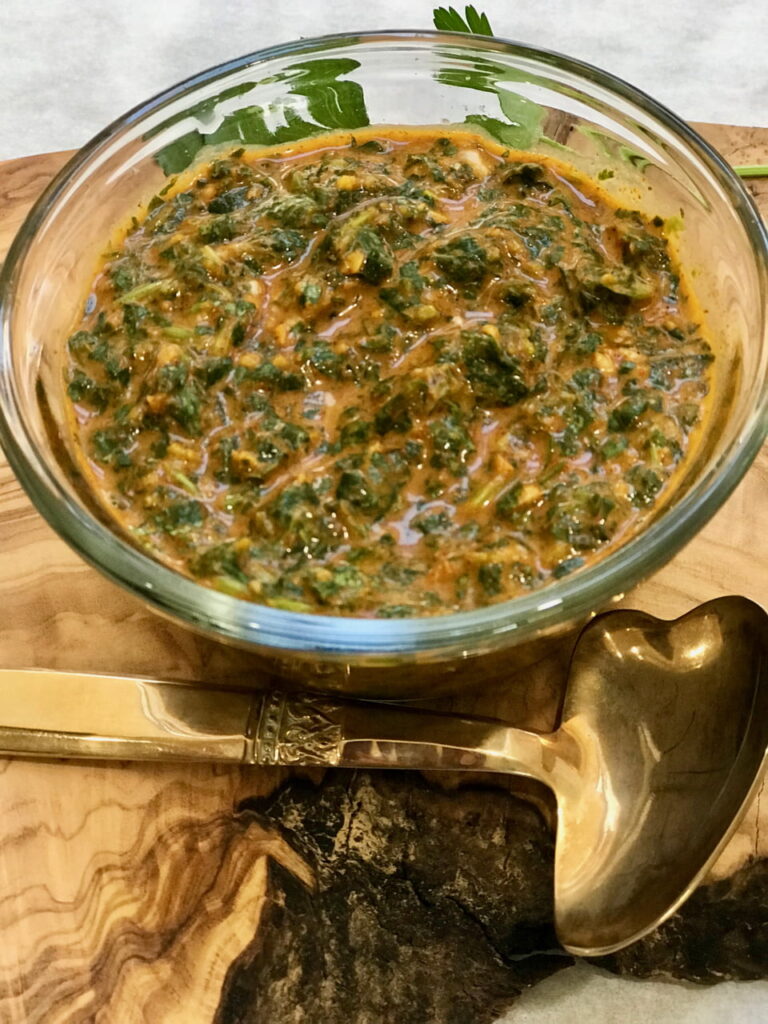
Some countries call their chermoula a green chermoula vs those that are called a red chermoula. Much of the color depends on the spices used.
For example: a heavy sprinkle of smoked paprika, is going to produce a red chermoula vs lots of toasted and ground cumin and coriander seeds, which will allow the green from the fresh herbs to dominate the color
Paprika In A Chermoula Recipe
Don’t you just love paprika, smoked or sweet?
I find smoked paprika is used often in Moroccan food, which imparts a unique flavor, setting it apart from regular paprika; it’s smoked! Anything smoked adds a deeper level of flavor to something we may already like.
While I have found great joy in growing a large variety of peppers, I now have a blast smoking, dehydrating and grinding them into my Homemade Paprika!
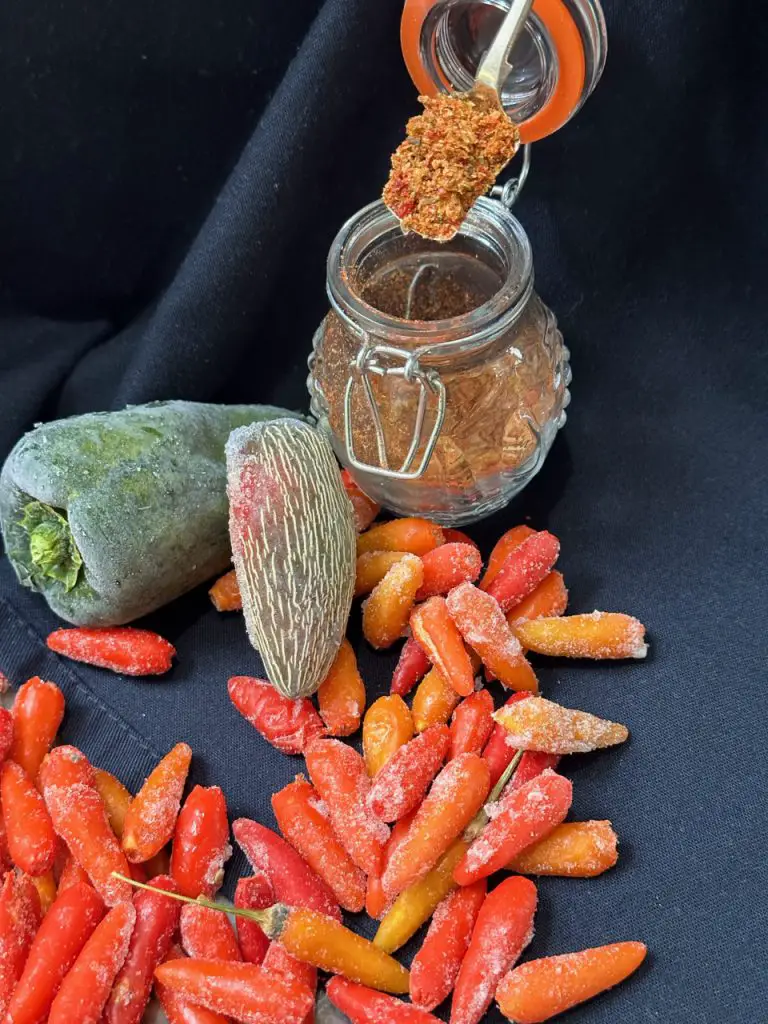
If you have a garden or even grow pots on a deck, I would highly recommend making your own paprika because it really is easy to do.
Red Pepper Flakes Contribute To A Great Chermoula
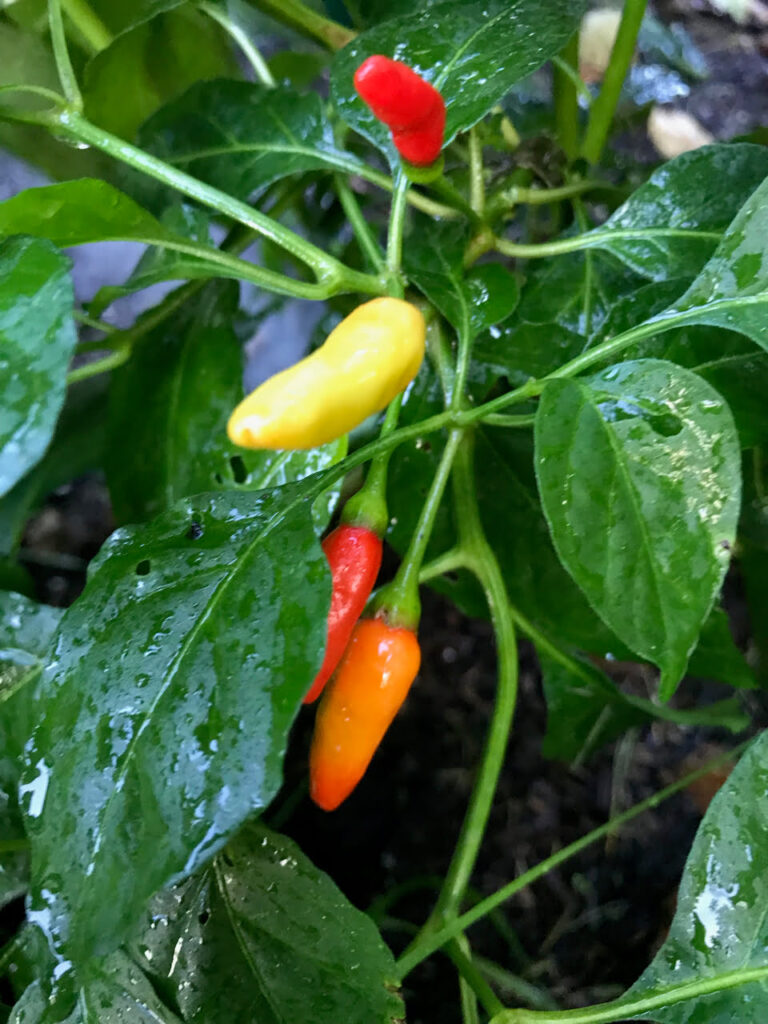
Aleppo Pepper Flakes from Syria are widely used in Moroccan recipes, such as their Tagines (kind of like our crock-pot cooking), a delicately hot, yet sweet pepper flake.
They are made the same way you would dry and make any other pepper, only use chili peppers, tabasco peppers, jalapeño or any other hot pepper variety.
Using the method above (omitting the smoking part, unless you want a smokey and hot dried pepper), dry the peppers, seeds and all, in an oven or dehydrator, until dry enough to grind into a powder.
Fresh Lemon vs Preserved Lemon
The acidity of lemon is most often used in Moroccan food as opposed to vinegar. Lime would be more common in, and around the Caribbean countries and parts of South America.
Lemon has a distinctly different taste than lime. In Chermoula we use both the zest, which has its own natural oils and the juice.
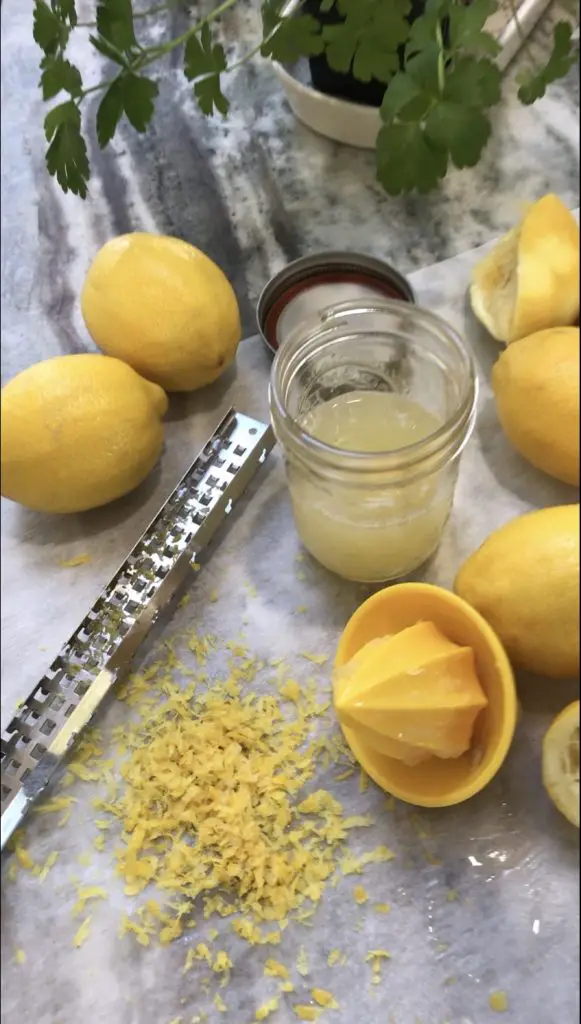
Preserved lemons, however, bring a different dimension to savory sauces.
As stated in Bon Appetit, “Preserved lemons have a depth of flavor that is salty and savory; think of the difference between a cucumber and a pickle.” I have yet to try making my own but plan to soon.
A Bit Of Olive Oil Please
Of all the oils we cook with, Olive Oil is something I could talk about for days and days.
Likened to wine, but until you have done your own Olive Oil tasting, my words won’t make sense. Morocco has been producing high quality olive oil for centuries.
It is grown, extracted and bottled with the greatest of care, distributed throughout Morocco and prized in Moroccan food, whether by professional chefs, or home cooks.
Oils of Morocco are so delicious it almost seems a shame to add anything to them to detract from its flavor.
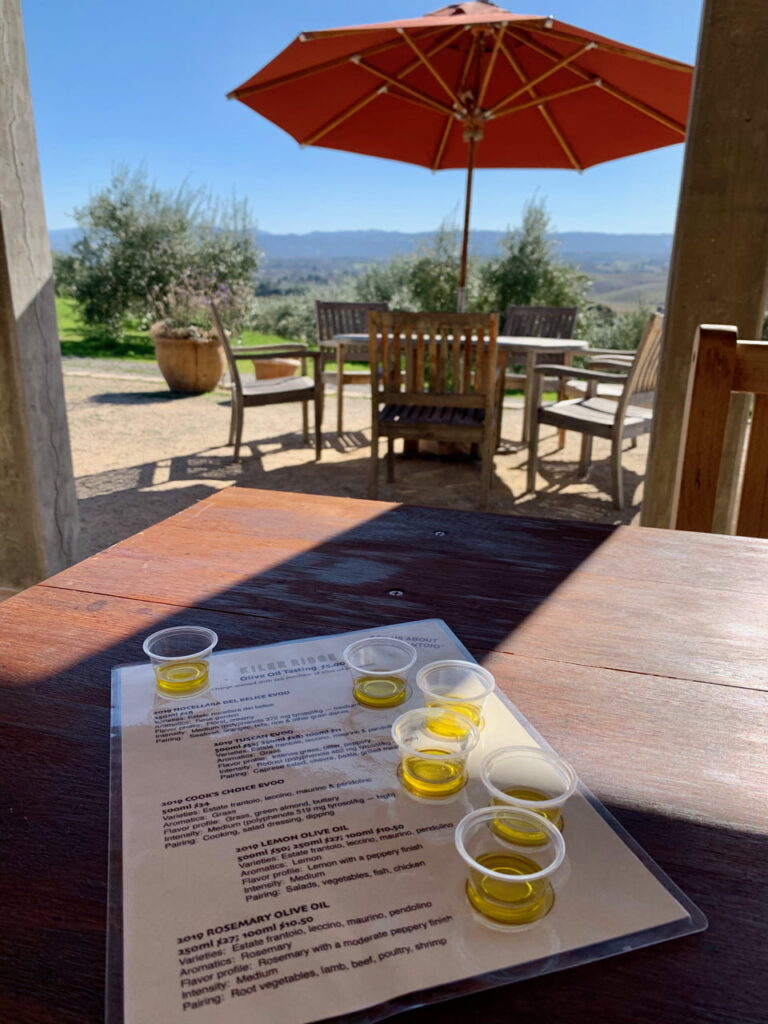
Having visited an olive grove in Paso Robles California and experienced my first Olive Oil tasting at Kiler Ridge Olive Farm, my appreciation for olive oil has become refined.
In Chermoula, as in all cooking, use the best quality you can obtain, and you will produce the most amazing food from simple ingredients.
Memorable Recipes That Tell A Story
Make your food something people will always remember, want recipes from, and share for several generations to come.
It all starts with the fresh herbs and spices you make into sauces, marinades, relishes and condiments.
Start right here by making your very first batch of Chermoula and let your friends and family sing your praises on the amazing and flavorful food you prepare for them.
Who knows… as it is said, “The quickest way to the heart, is through the stomach” might become your story as well!
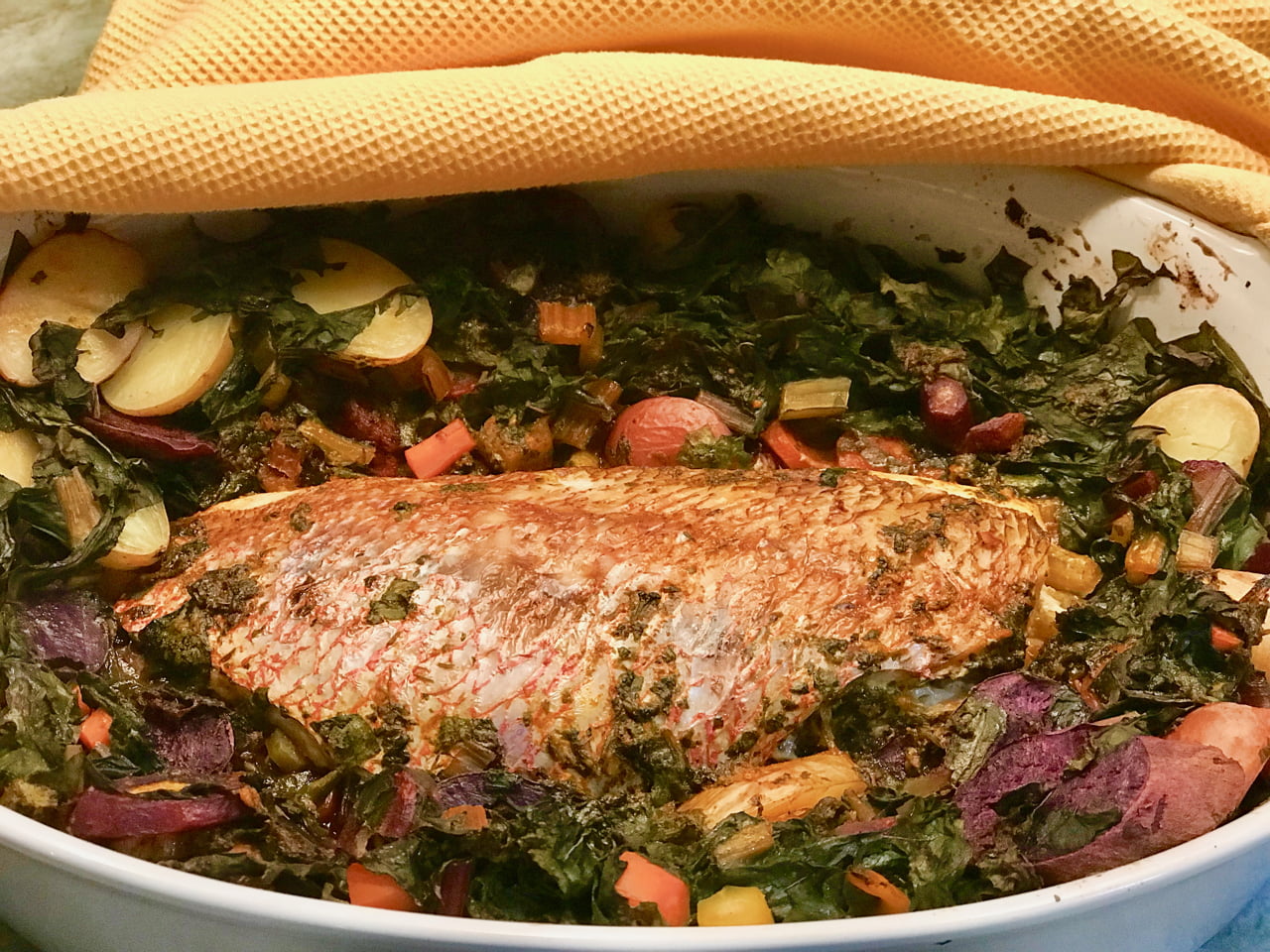
Ingredients for Authentic Chermoula (Moroccan Herb Sauce)
Chermoula is simple at its core, fresh herbs, garlic, citrus, olive oil, and warm spices, but each ingredient plays an essential role. Together, they create a Moroccan herb sauce that is bold, balanced, and deeply aromatic.
- Cilantro – Cilantro brings brightness and a slightly citrusy, green edge that defines classic chermoula. It gives the sauce its unmistakable freshness and vibrant color. If you love bold herb flavor, cilantro is the heartbeat.
- Parsley – Flat-leaf parsley softens and balances the intensity of cilantro. It adds body and a clean, grassy depth that keeps the sauce from becoming too sharp. The combination of parsley and cilantro is what gives authentic chermoula its layered herbal complexity.
- Garlic – Garlic adds warmth and depth. In chermoula, it isn’t shy, it’s present, aromatic, and essential. Once blended with olive oil and lemon, it mellows just enough while still giving the sauce its signature punch.
- Olive oil– Good olive oil brings richness and silkiness. It binds the herbs and spices together into a spoonable sauce or pourable marinade. Because there are so few ingredients, use the best olive oil you have, it truly makes a difference.
- Lemon juice and zest – Fresh lemon juice brightens everything, cutting through the richness of the oil and lifting the herbs. The zest adds concentrated citrus aroma without extra acidity. Together, they give chermoula its lively, sunlit character.
- Smoked paprika – Smoked paprika adds subtle sweetness and a whisper of smokiness. It deepens the color and brings warmth that lingers gently in the background.
- Cumin – Earthy and slightly nutty, cumin is one of the foundational spices in Moroccan cooking. It grounds the freshness of the herbs and gives chermoula its warm, savory backbone.
- Coriander – Coriander seed adds a mild citrus-spice note that echoes the lemon and enhances the brightness of the herbs. It’s softer than cumin but equally important for balance.
- Red pepper flakes – Just a touch of heat keeps the sauce lively. Red pepper flakes add a gentle kick without overpowering the fresh herbs.
- Salt – Salt sharpens and awakens every ingredient. It pulls the flavors together and ensures the herbs and spices shine.
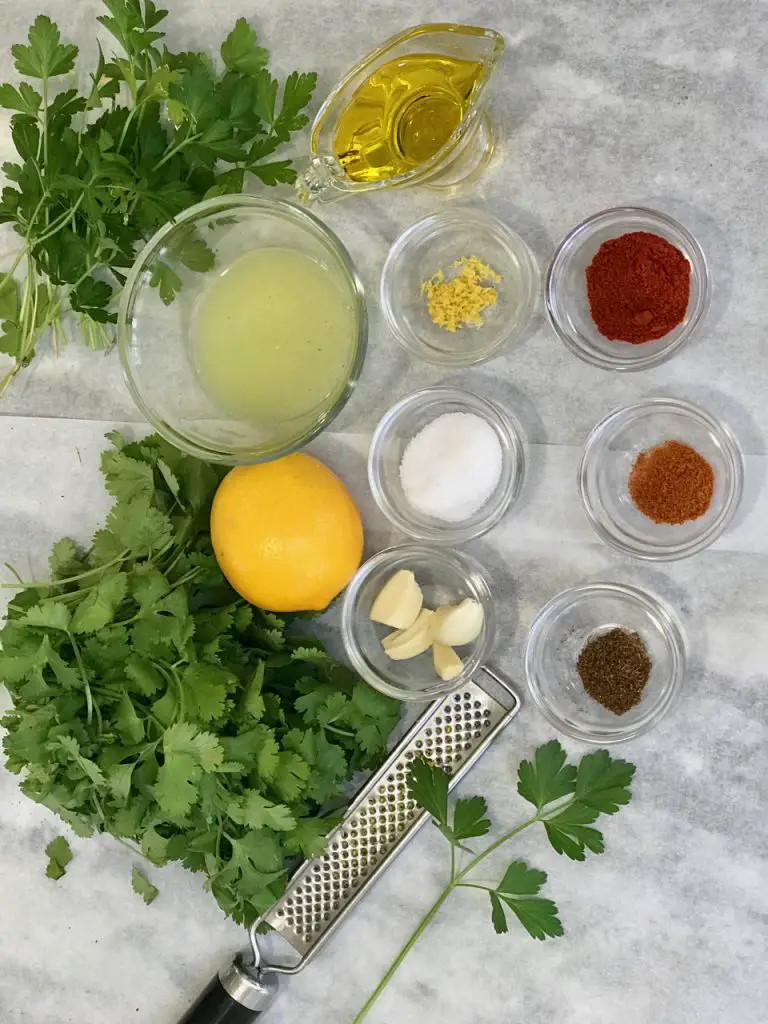
Tools You’ll Need to Make Chermoula
One of the beautiful things about authentic chermoula is that it doesn’t require complicated equipment, just a few simple kitchen tools to bring fresh herbs and warm spices together into something vibrant and bold.
- Food Processor – A food processor makes quick work of blending the cilantro, parsley, garlic, spices, and olive oil into a cohesive Moroccan herb sauce. You’re looking for a slightly textured consistency, not a purée, but finely chopped and spoonable. (No food processor? You can finely chop everything by hand for a more rustic texture.)
- Cutting board – A sturdy cutting board gives you space to prep your herbs and garlic comfortably. Fresh herbs can be abundant, so room to work matters.
- Chopping knife – A sharp chef’s knife makes all the difference when working with delicate herbs. Clean cuts help prevent bruising and keep your chermoula bright green rather than dark and muddled.
- Measuring tools – While chermoula is forgiving, measuring spoons and cups help balance the spices and acidity, especially if it’s your first time making the recipe.
- Citrus press – A citrus press extracts fresh lemon juice efficiently while keeping seeds out of the sauce. Since lemon is central to chermoula’s brightness, fresh juice is worth the extra minute.
- Citrus zester – Don’t skip the zest. A citrus zester adds concentrated lemon aroma without extra liquid, which keeps the sauce balanced.
- Glass jar container with a lid – Once blended, transfer your chermoula to a glass jar with a tight-fitting lid. The flavors deepen as it rests, and it stores beautifully in the refrigerator for several days. Glass preserves the flavor better than plastic and keeps the herbs tasting fresh.
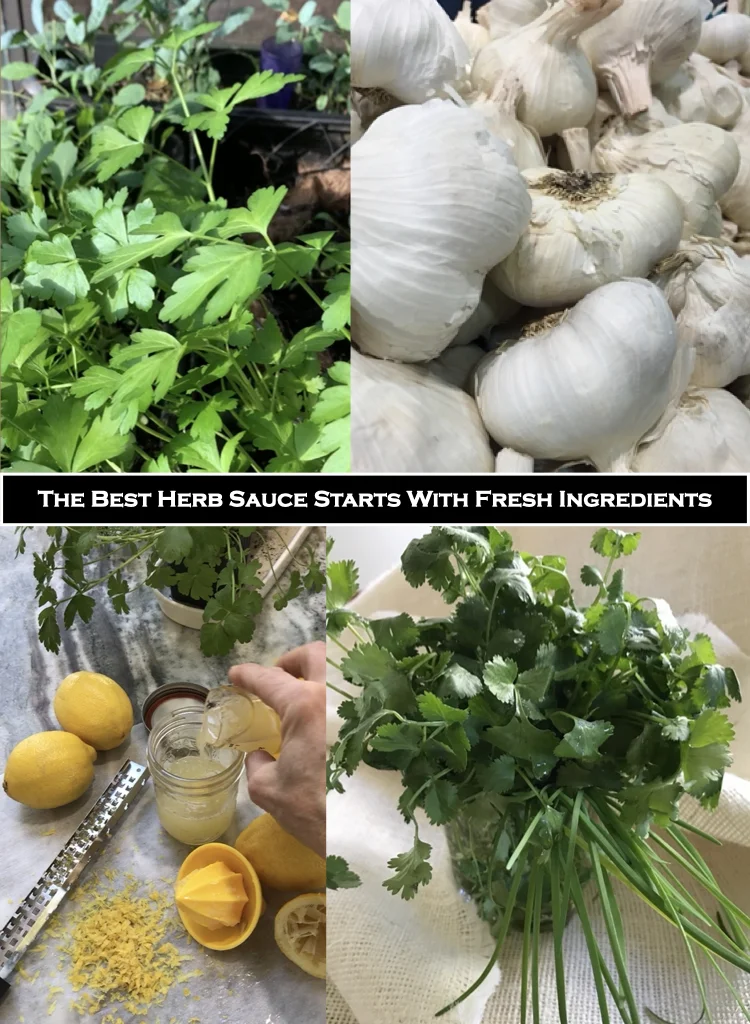
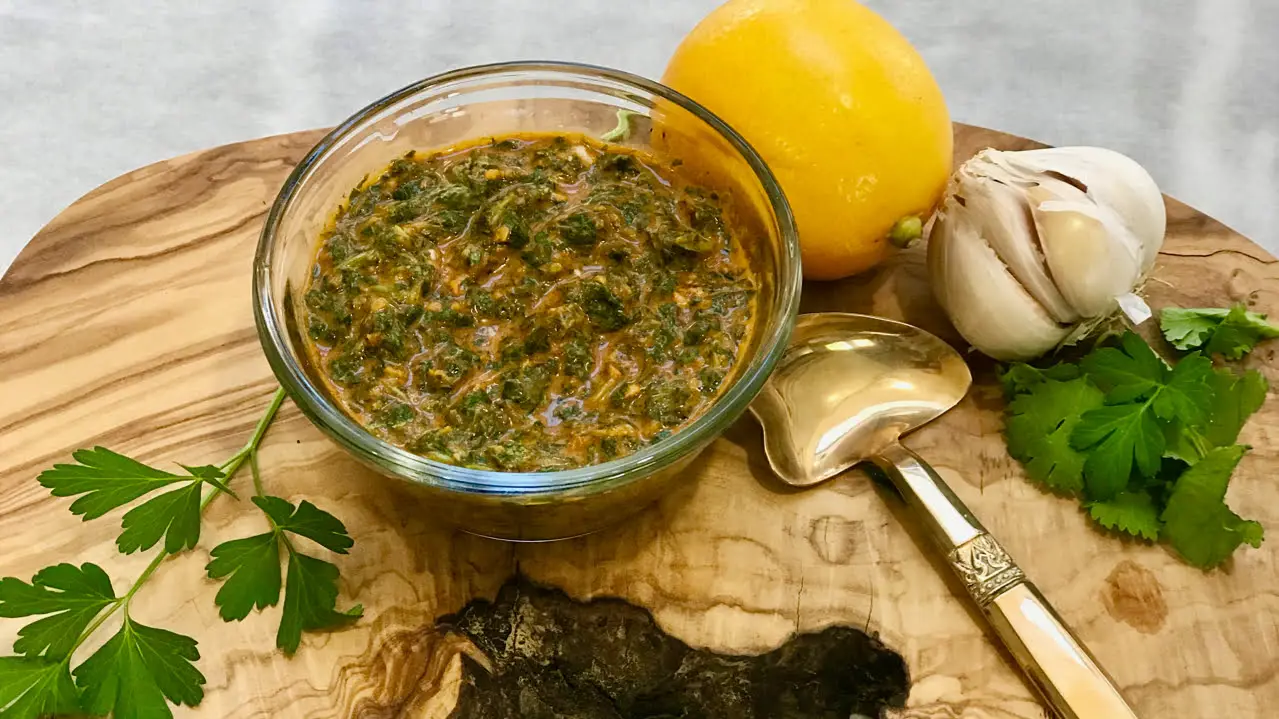
Authentic Chermoula Recipe – Moroccan Herb Sauce
Equipment
- Food processor or blender
- airtight jar
Ingredients
- 1 cup Fresh cilantro
- 1 cup Fresh parsley
- 3 Garlic cloves rough chopped
- 1/2 cup Extra-virgin olive oil
- 1/4 cup Fresh lemon juice
- 1/2 tsp Lemon zest
- 1 tsp Sweet paprika or smoked homemade
- 1/2 tsp Cumin from lightly toasted and ground cumin seeds
- 1 tsp Ground coriander seeds
- pinch Red pepper flakes
- 3/4 tsp Salt
Instructions
- With a sharp knife, give a rough chop to the bundles of fresh herbs.Place them in the food processor or blender.
- In a measuring cup with a spout, place the olive oil, lemon juice and zest, with crushed garlic and spices. Lightly whisk.
- Turn the processor on low speed and pour in the olive oil mixture, leaving a slightly rough texture to the sauce.
- This easy recipe can be prepared in advance and stored in an airtight container in the fridge for up to 3 days, or frozen in an ice cube tray, then transferred to small packets once frozen.
Video
Notes

I believe the table... that place that draws people to gather, is the most powerful symbol of togetherness. All that happens before the table is set, the planning, the gathering, the preparing, are all an intricate part of the dance that create the mood of celebration to share with friends and loved ones.