
Homemade Rose Water, whether organic homegrown roses or purchased, for cooking or beauty essentials, it’s easy and perfect for repurposing roses!
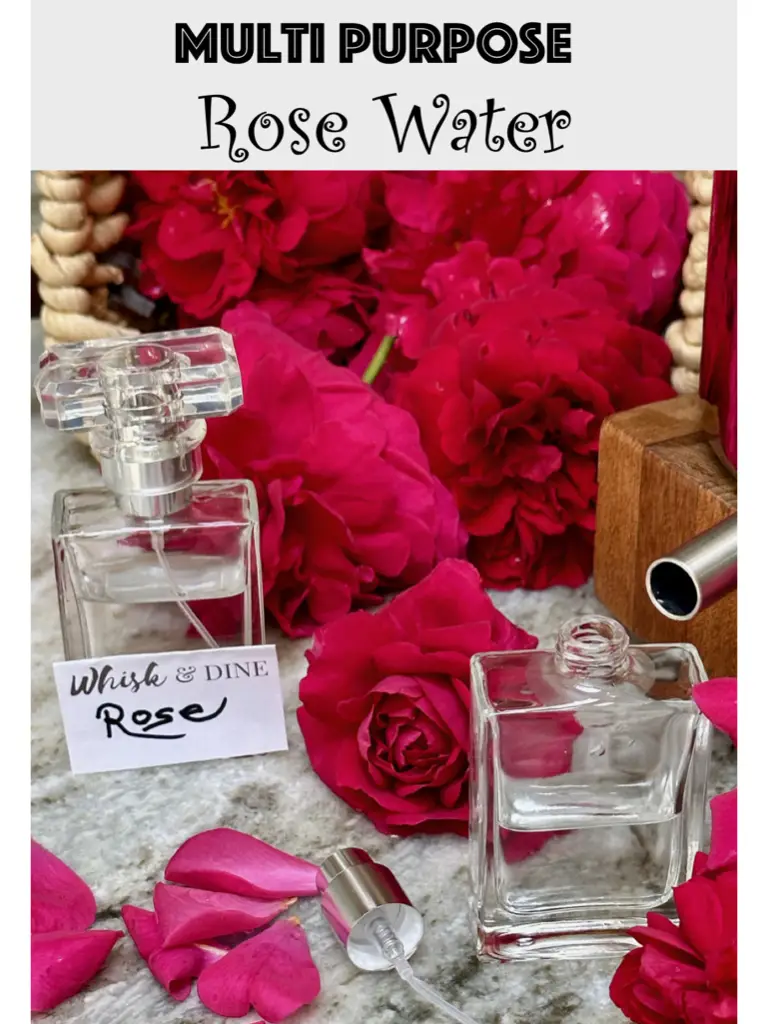
The Scent Of Rose and Its Ancient Homemade Uses
There is something timeless and almost sacred about the scent of a rose. It’s soft yet powerful, delicate yet unforgettable. For centuries, rose water has been treasured in kitchens, beauty rituals, and cultural traditions around the world, from perfuming Middle Eastern desserts to soothing skin and scenting linens. But what if I told you that you that homemade rose water is so easy to make?
Learning how to make rose water is wonderfully practical, and deeply satisfying. With just fresh rose petals and water, you can gently extract the very essence of the bloom, capturing its fragrance, flavor, and beauty in a jar. It’s a beautiful way to use garden roses, revive gifted bouquets, or extend the life of flowers that are just past their prime.
In this guide, I’ll show you an easy, foolproof method for making rose water at home, perfect for baking, cocktails, tea, facial mists, and even natural home fragrance. Once you realize how effortless it is, you may never buy bottled rose water again.
Oh How We Love Fresh Rose Petals – Men Women And Children
Yes my friends, men, women and children. As a single mom raising four beautiful children, three boys and one girl. I learned so much about grown men, from raising three tender-hearted little boys.
Back in those years, we lived with my mom on twelve acres of land, so of course we grew a variety of roses. My boys, being the oldest, would go into the gardens with their grandma and help feed and prune the rose bushes, and enjoy their magnificent scent.
I believe exposing my sons to this memorable time, cultivated treasured memories of grandma and a love for the scent of roses.
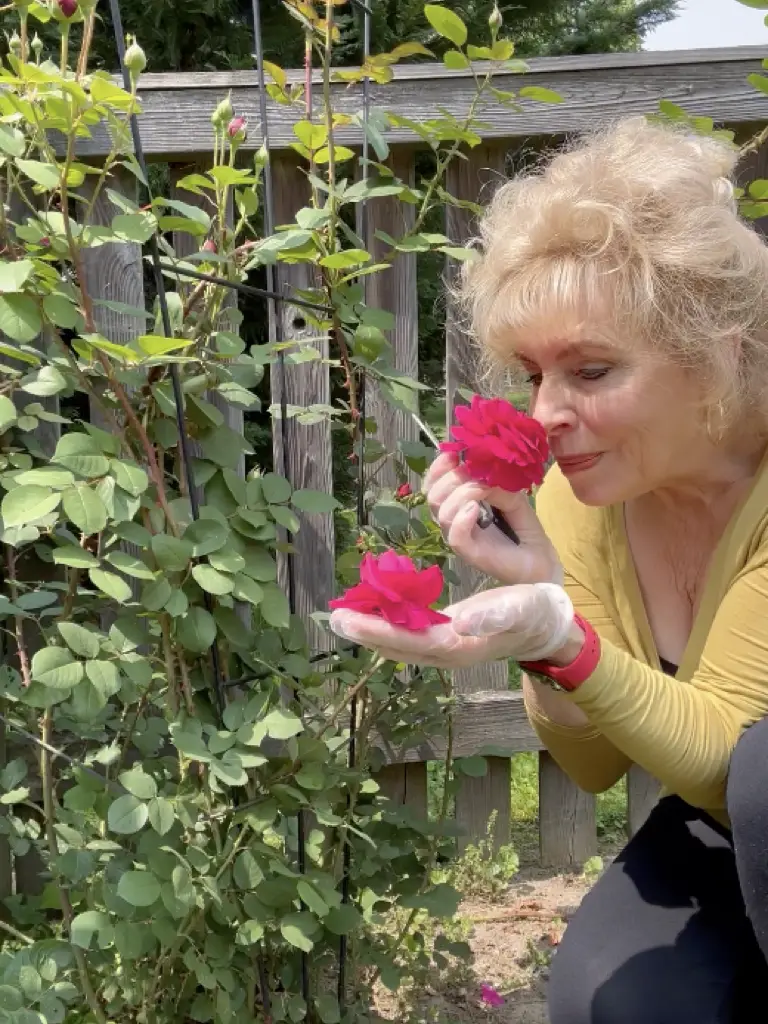
Have You Noticed That Many Roses No Longer Have The Scent Of Rose?
Leave it to us humans to tinker with nature and science. As we have sought to breed roses to become more durable and enhance their looks, these hybrid roses have lost their scent gene.
For this reason, the best roses for making rose water, with stronger scents, will come from organic, non-hybrid rose petals and preferably heirloom roses.
This type of rose is actually easy to find and easy to grow, and I would strongly recommend growing them if you have the space and enjoy their beauty.
Homemade Recipes With Edible Roses
If you enjoy transforming flower petals into Edible Recipes, or add their essence into your natural skincare products, this alone is a good reason to try your hand at growing a rose bush or two.
Even a large, deep pot near a window, will produce a manageable rose bush. Otherwise, just check with a local florist to see what type of roses they sell, or simply smell them!
So Many Reasons To Make Homemade Rose Water
This easy DIY rose water technique has so many uses for cooking, skin enhancement, calming aromatherapy, even a cup of rose tea, is worth extracting your own rose water for.
I am excited to share with you the new toy I’ve purchased for the cold steam distilling method of extracting concentrated essence from my plants. It has become the easiest way I’ve tried to obtain an intense natural fragrance from the roses, and essential properties from other plants.
Far better than simply boiling, which I’ve tried and it really tastes mostly of water. But, let’s talk about many of those uses you are going to want to extract from these rose blossoms so that you will be as excited to try as I am.
Old-world Tradition With A Modern Tool
For years, I made rose water the simple stovetop way, gently simmering petals and letting time do its quiet work. And truly, that method is lovely. But recently, I discovered what might be my favorite new kitchen toy: an affordable cold steam distillation unit designed for home use.
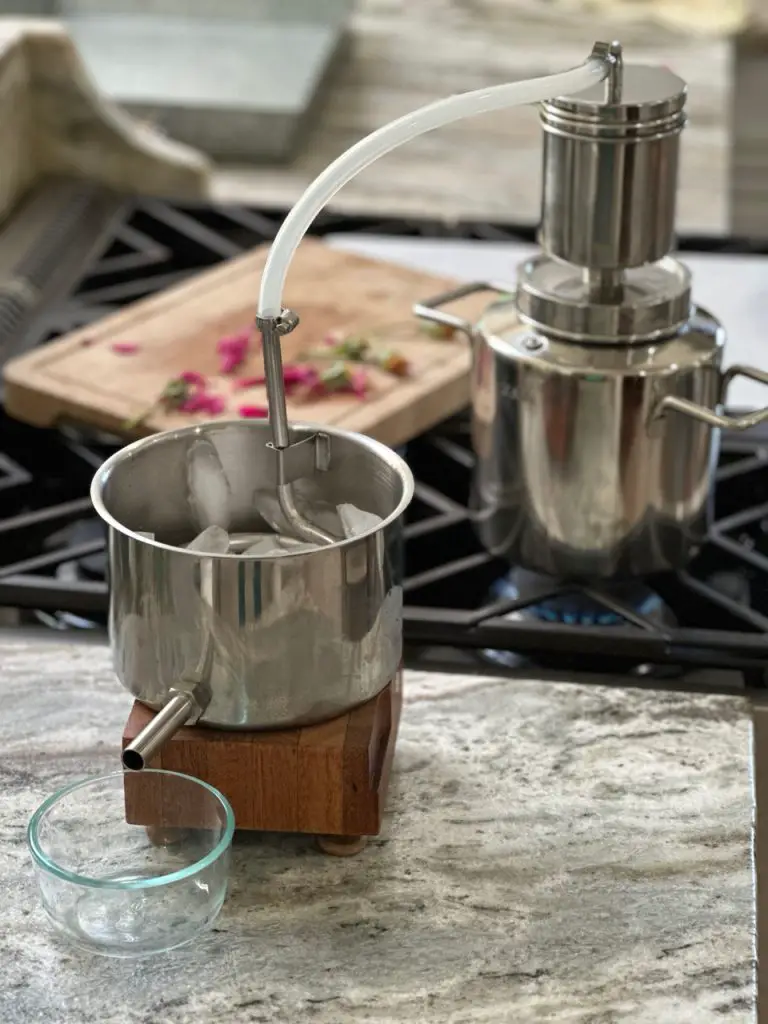
Cold steam distillation sounds complicated, almost alchemical, but it’s actually wonderfully simple. This small countertop device gently releases steam through fresh rose petals (or herbs like lavender, mint, or rosemary), then cools and condenses that vapor back into liquid, capturing a far more concentrated floral essence without overheating or dulling the fragrance.
Traditional distillation has been used for centuries in places like Kashan, Bulgaria, and Morocco, where rose harvesting is both art and heritage. What delights me most is that this once-specialized process is now accessible in an ordinary kitchen.
Rose Alchemy
The difference is noticeable. The scent is cleaner. Brighter. Almost as if you’ve captured the breath of the flower itself. And because the process happens at a lower temperature, the delicate aromatic compounds remain intact, giving you a more vibrant homemade rose water for baking, cocktails, teas, facial mists, and natural home fragrance.
It feels a little bit like having a tiny apothecary on your countertop. And once you start experimenting, rose, orange blossom, lemon balm, even basil, it’s hard to stop.
Food First – And The Different Ways To Use Rose Water In Cooking
Having grown up with a first generation Syrian mom, we cooked different foods in our home than many of my school friends did in theirs.
Rose water recipes are numerous throughout Middle Eastern and some Mediterranean homes. Most often you will find rose water used in desserts, or teas.
Favorite uses from rice pudding (very Iranian), to the syrup I make to pour over Baklava, or use in my Rosewater Baklava Muffins.
I’ve even added rose water to my Easter Bunny Shortbread cookie dough, for an exotic flavor and not simply vanilla.
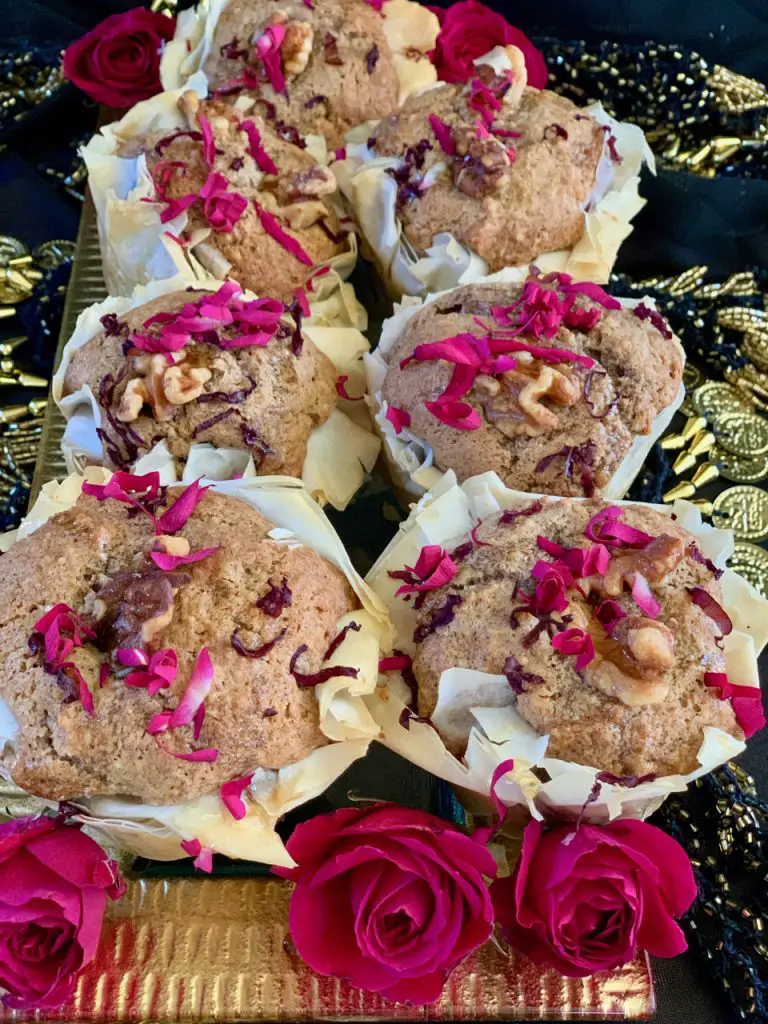
Cooking With Fresh Petals
As you look throughout my recipe collections, you will notice more and more recipes being created with edible flowers in mind. In fact, I now grow flowers specifically for cooking.
Below you will find a growing list of the many recipes I adore using essence of flowers.
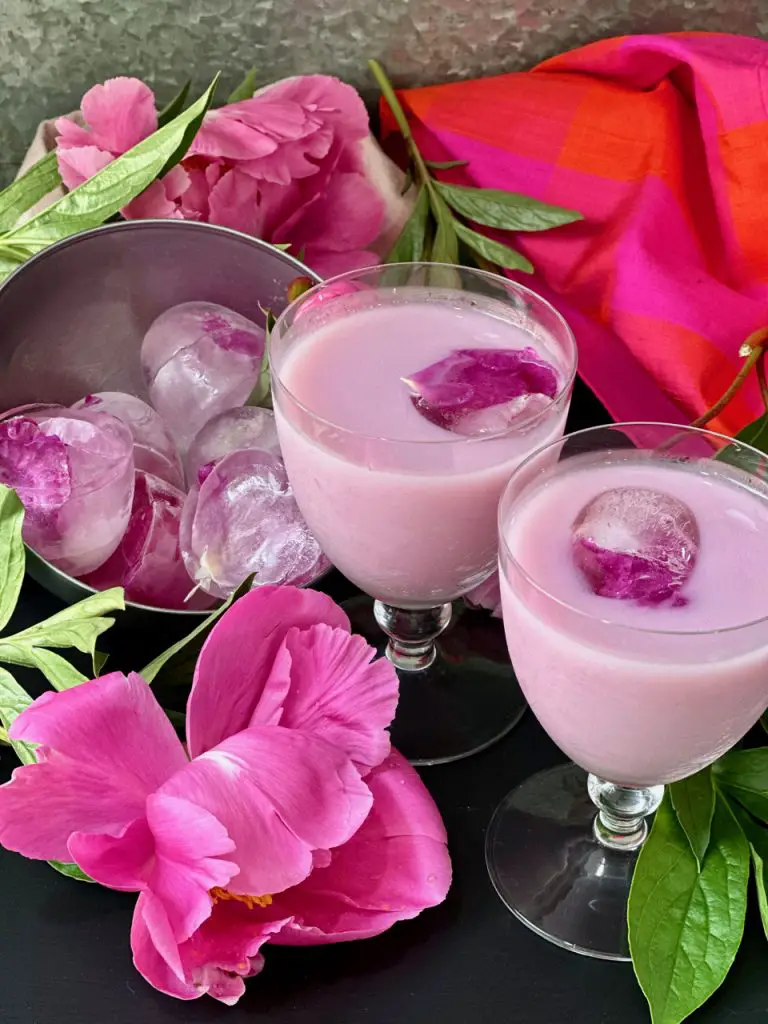
- Pink Peony Colada Cocktail – with homemade peony syrup, rum and coconut milk, ornamented with peony blossom ice cubes.
- Dandelion Flower Bread – from early spring dandelion flower petals, lemon and banana, for a moist quick bread.
- Edible Flower Shortbread Cookies – with the petals baked on top of a cardamom flavored cookie dough.
- Cherry Blossom Wedding Cocktail – made with cherry blossom honey, Sake, Prosecco and cherry blossom ice cubes.
- Butterfly Pea Flower Tea Bread – a beautiful blue flower, dried into a tea and made into a delicious yeast bread.
Organic Roses For Beauty Products
This list could go on and on, simply because the benefits of rose water are quite vast. Believe me, it is not the scent that makes rose water benefits so popular. So, allow me to explain a few here:
1. Let’s talk about Skin Irritation – Concentrated rose water extraction has strong anti-inflammatory properties.
While it has health benefits to help with internal inflammation, such as IBS or other agitated internal issues, let’s stick to the topical inflammation many of us wrestle with from time to time.
Sensitive skin is most prone to skin issues such as eczema (a dry, itchy, rash-like agitation on the skin), to rosacea (visible blood vessels in the face), of which these skin irritations need calming.
Spraying a mist of natural rose water on the agitated areas, using as a face toner or homemade rose water toner added to a witch hazel mist, will calm these flair ups and calm the symptoms.
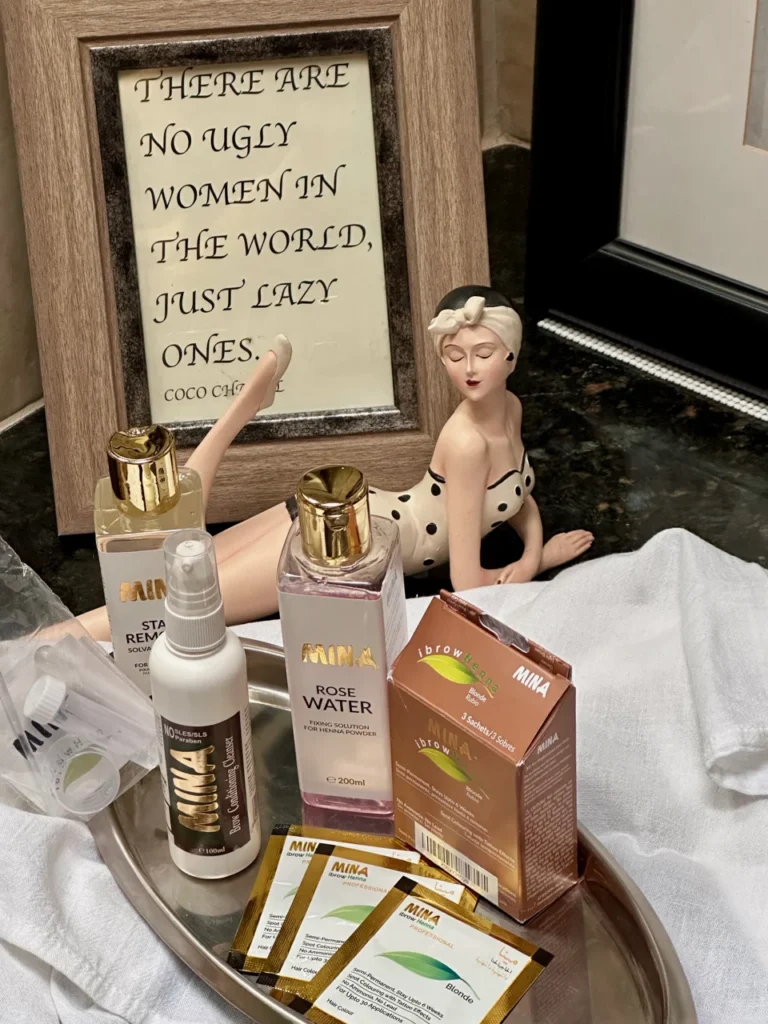
Eyebrows, when dyed with henna (another natural product), the henna is mixed with water. And so, I always mix the henna powder with rose water, and when I’ve washed the henna off, I follow up rubbing more rose water across the brow area to soothe the skin.
Rose Water For Health
2. Let’s talk about Antioxidant properties – Rose petals and rose oil contain some rather powerful antioxidants, as does the comfrey plant, which you may have already heard me speak about.
This makes rose water a great addition to teas, which can help soothe sore throats, reduce headaches and relax digestive problems.
3. Hair issues – Add the extracted rose water to your shampoo, or better yet, make it a final rinse of your hair, paying special attention to the scalp.
The skin on our scalp rarely gets the attention it needs to keep its pores clear and nourished.
The natural oils of the rose, and vitamin C will add a bit of shine to your hair as well.
How to Make Your Own Rosewater
Whether you are interested to make your own rose water to aid in a natural beauty product or you want to sip or cook with it, we first need to extract the most concentrated essence possible from the organic petals.
If you grow many things in your garden or think you will want to extract plant essence from other sources, a Steam Distillation Kit is a wonderful addition to your kitchen tools.
The rest is simple from there:
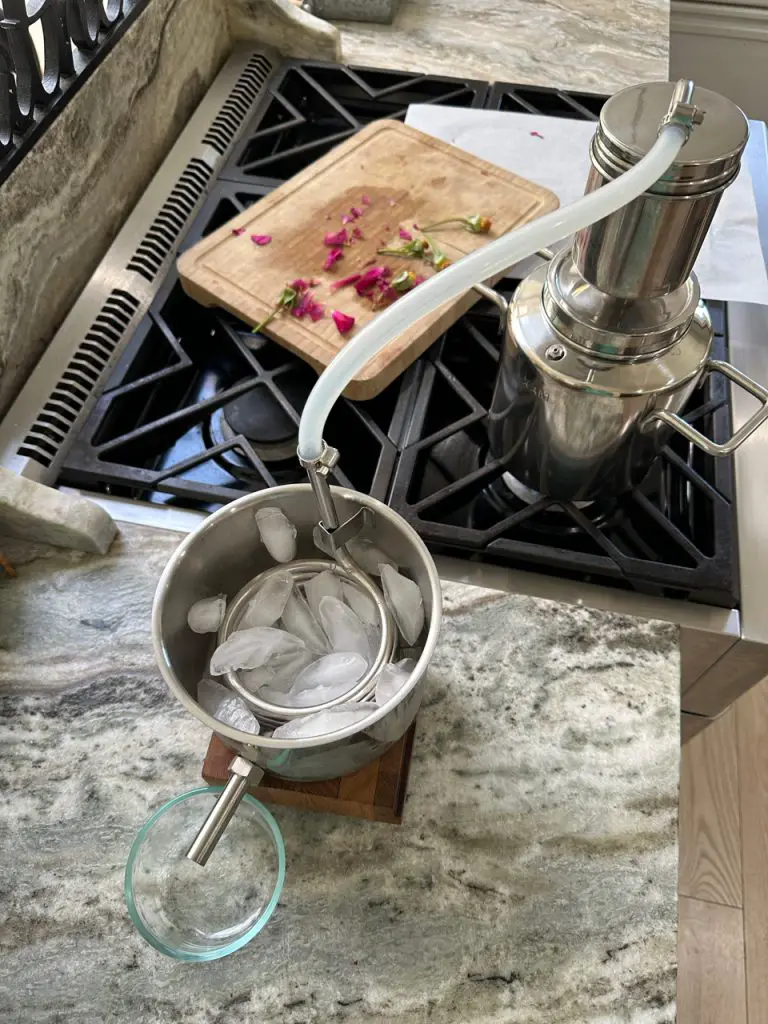
- A steamer pot gets filled with rose petals, lid on and silicon tube attaches it to the condenser.
- The condenser pot gets filled with ice cubes, cooling its coils as the boiling steam travels through the coils.
- The steamer pot is attached to the top of the large pot, where the boiled water happens sending steam over the petals, which then carries the essence of the rose through the cooling coils.
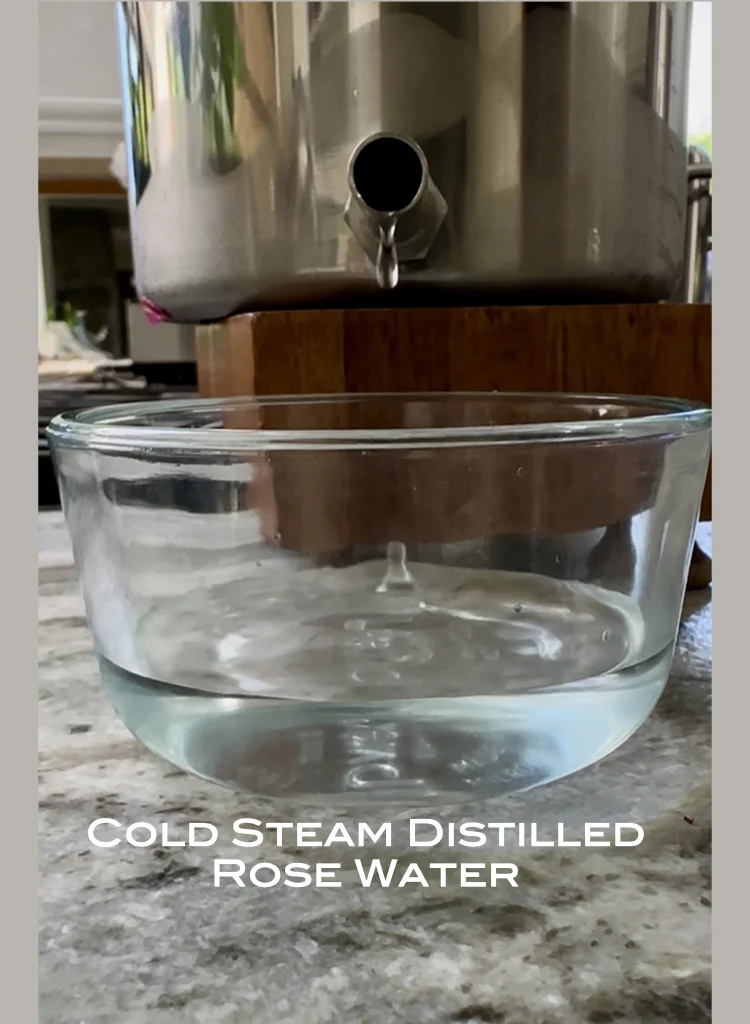
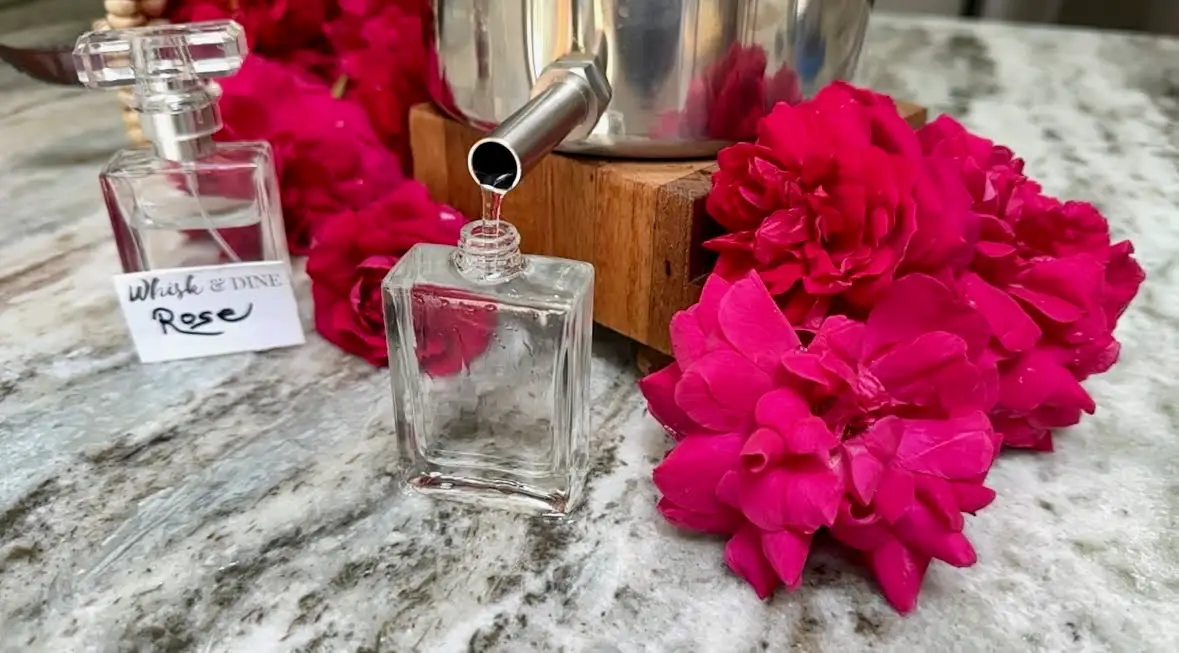
- A concentration of rose essence then escapes into a cup.
- Generally, about 3/4 of a cup is extracted at a time.
- And there you have it.
Easy, Pure and Quite Ancient!
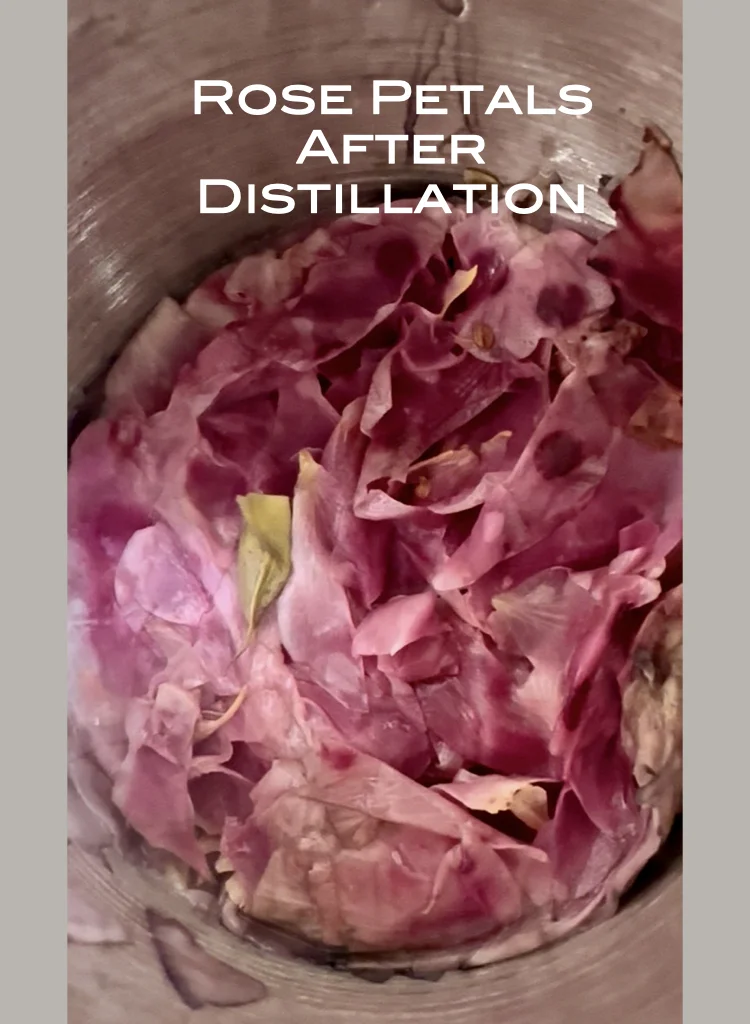
10-Ways To Reuse Roses
I published a story that gets thousands of visits every years around Valentine’s Day, ‘Don’t Toss Wilting Valentine Roses‘ – How to reuse wilted roses, from homemade rosewater for cooking, beauty or home, to rose-infused honey or syrups for desserts, cocktails and more. Now I am sharing it with you!
Equipment Needed
One of the most empowering parts of making homemade rose water is realizing you don’t need a laboratory, just a few practical kitchen tools and one very fun piece of equipment.
- Steam distillation kit – This is the star of the show, your small but mighty countertop distiller. An affordable home steam distillation kit allows you to gently extract the pure essence of roses and herbs through controlled steam and condensation. It sounds technical, but it’s beautifully straightforward. Water heats, steam rises through the petals, and the cooled vapor condenses into aromatic rose water. It’s efficient, clean, and produces a brighter, more concentrated floral water than simple stovetop infusion. Once you have it, you may find yourself distilling lavender, mint, rosemary, even citrus peels. A tiny apothecary in your kitchen.
- A 1 ounce glass jar spray bottle – Rose water deserves beautiful storage. A small 1-ounce glass jar with a fine mist spray top is perfect for facial mists, linen sprays, or refreshing your skin throughout the day. Glass is essential, plastic can interact with delicate floral compounds and weaken the fragrance over time. Amber or cobalt bottles are especially lovely because they help protect the rose water from light and extend its shelf life.
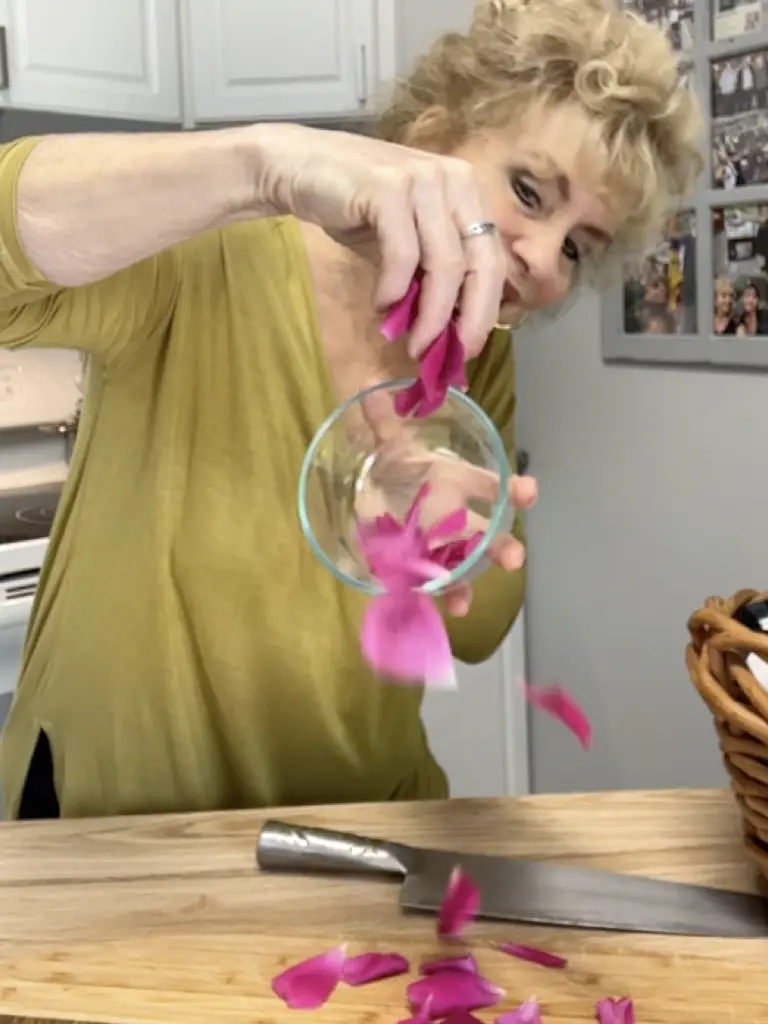
- Cutting board and chopping knife – Before distilling, you’ll want to gently trim the white base (the bitter “heel”) from the petals if attached. A simple cutting board and sharp knife make quick work of this step. No complicated prep, just a little tidy trimming.
- Stovetop or burner – Your heat source doesn’t need to be fancy. A standard stovetop or small burner is perfect for gently heating the water that creates the steam. Low and steady is key. You’re coaxing out fragrance, not rushing it.
Ingredients Needed
One of the loveliest things about making rose water at home is how little you need. No complicated formulas. No mysterious additives. Just three simple ingredients — each one important.
- Distilled water or filtered water – Water matters more than you might think. Because rose water is so delicate, it will only be as pure as the water you begin with. Distilled water is ideal, as it contains no minerals, chlorine, or impurities that could alter the scent or reduce shelf life. If distilled water isn’t available, use the cleanest filtered water you have. Think of it as a blank canvas, clear, neutral, and ready to carry the fragrance of the rose.
- Fresh Organic Rose petals (never sprayed) – This is the heart of your rose water. Always use fresh, organic rose petals that have never been sprayed with pesticides or insecticides. Many store-bought bouquet roses are treated with chemicals and are not safe for culinary or skincare use. If you’re harvesting from your own garden, pick roses in the morning, just after the dew has dried but before the heat of the day begins to fade their oils. The fragrance is strongest then, and that fragrance is what you’re capturing. Damask roses are traditionally used for distillation in places like Bulgaria and Morocco, but any deeply fragrant, chemical-free rose will work beautifully at home. The more fragrant the bloom, the more aromatic your homemade rose water will be.
- Ice cubes – This may surprise some readers, but ice plays a quiet, important role, especially if you’re using a steam distillation method. The ice helps cool and condense the rising steam, transforming fragrant vapor back into liquid essence. Without that cooling element, you lose precious aromatic compounds. It’s a small detail, but it makes all the difference.
How To Make Homemade Rose Water
Equipment
- Steam Distillation Kit
- Small glass jar or bottle
Ingredients
- 2 liters Distilled water or filtered water
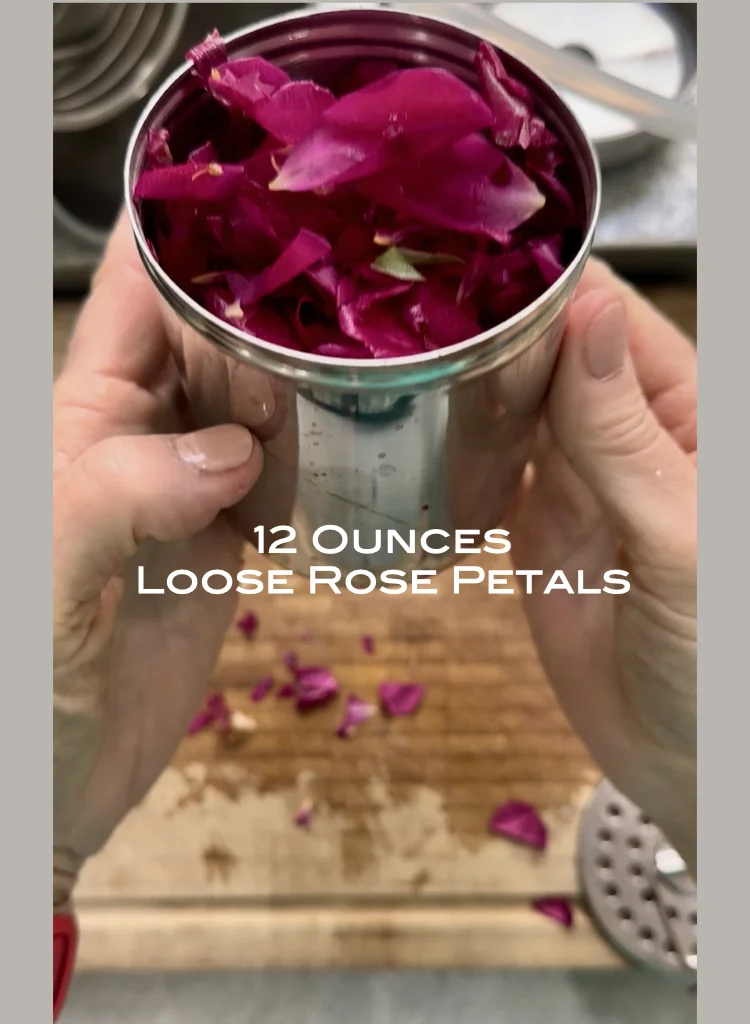
- 2-3 cups Fresh Rose petals rough chopped
- 2 cups Ice cubes
Instructions
- Place several cups of filtered water (depending on the size of your pot) in the boiling pot of the distiller.
- Wash, dry and finely chop, if not macerate, the rose petals you are using. Place them into the steamer pot, with a sieve plate on the bottom and top. Steamer top gets screwed on tight.
- Attach the silicon tubing to the steamer and the condenser. The condenser pot may need a small stand under so it allows room to place a cup under the drip spout.
- Turn on the heat. Add ice cubes into the condenser. Place a drip cup under the spout.
- By the time the water starts to boil, lots of steam should begin to appear, take care not to burn yourself with the steam, and you will begin to see a collection of beautiful essence go into the cup. Once it is apparent the boiling water has reduced (don’t let it dry out), turn off the stove.
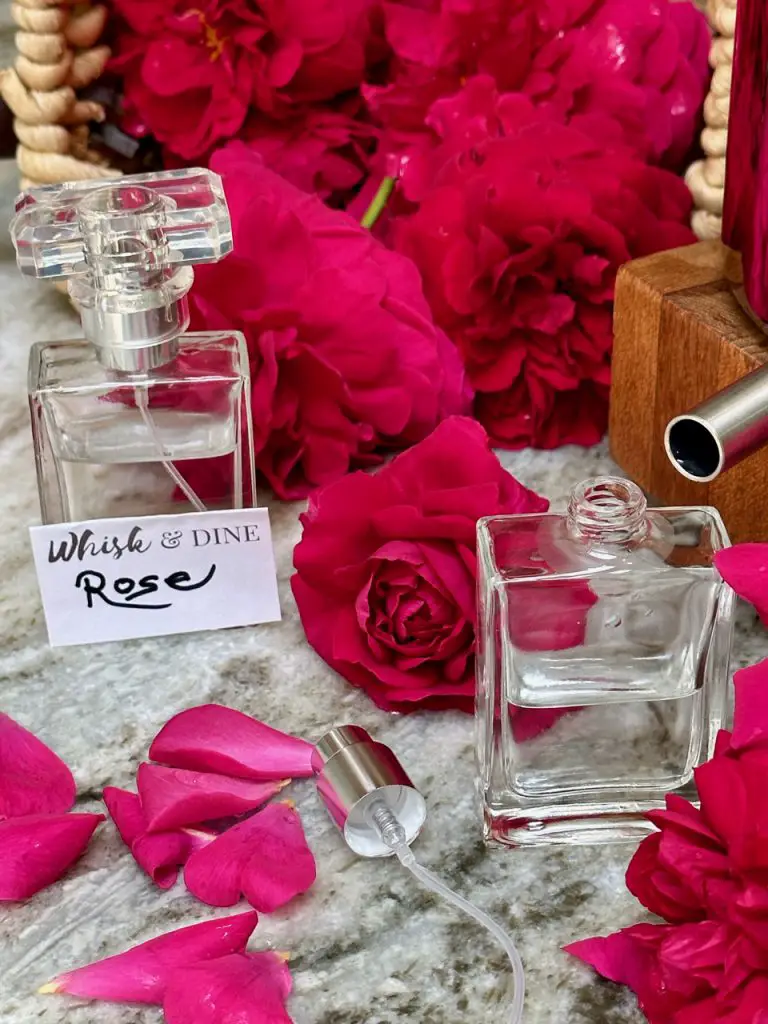
- Transfer the collection into a spray bottle, Mason jar, or use the collection to add to your creams and lotions.
Video
Notes

I believe the table... that place that draws people to gather, is the most powerful symbol of togetherness. All that happens before the table is set, the planning, the gathering, the preparing, are all an intricate part of the dance that create the mood of celebration to share with friends and loved ones.