
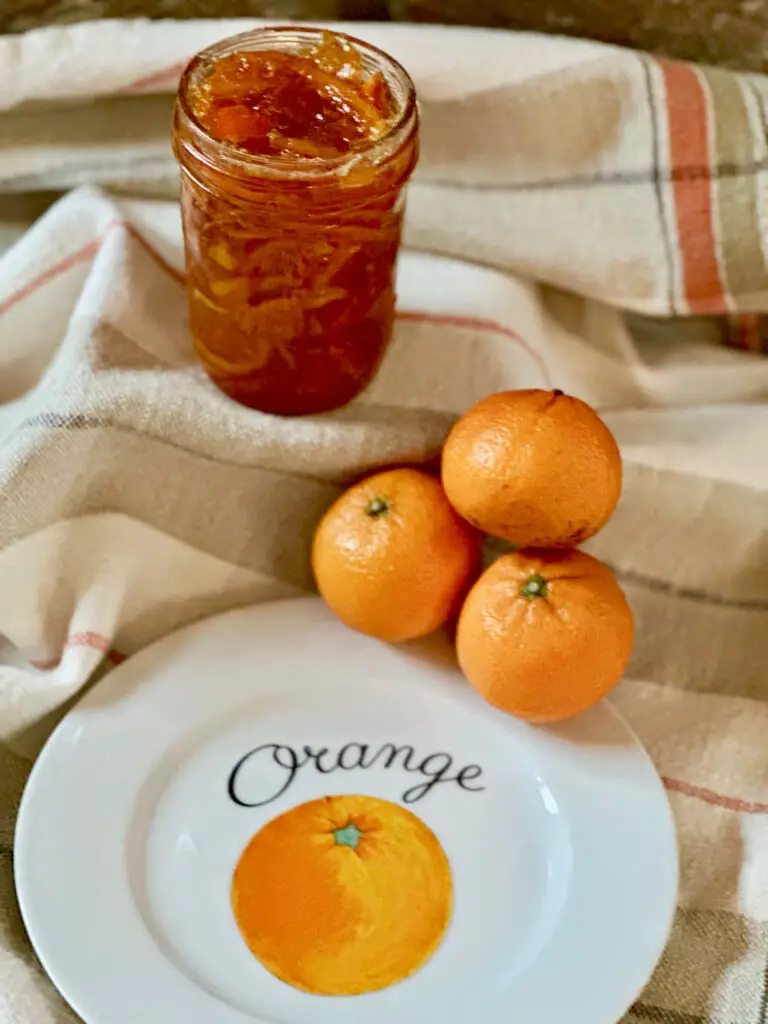
Homemade Orange Blossom Marmalade, made with a handful of oranges, a twist of lemon, not much sugar and delicately scented orange blossom water.
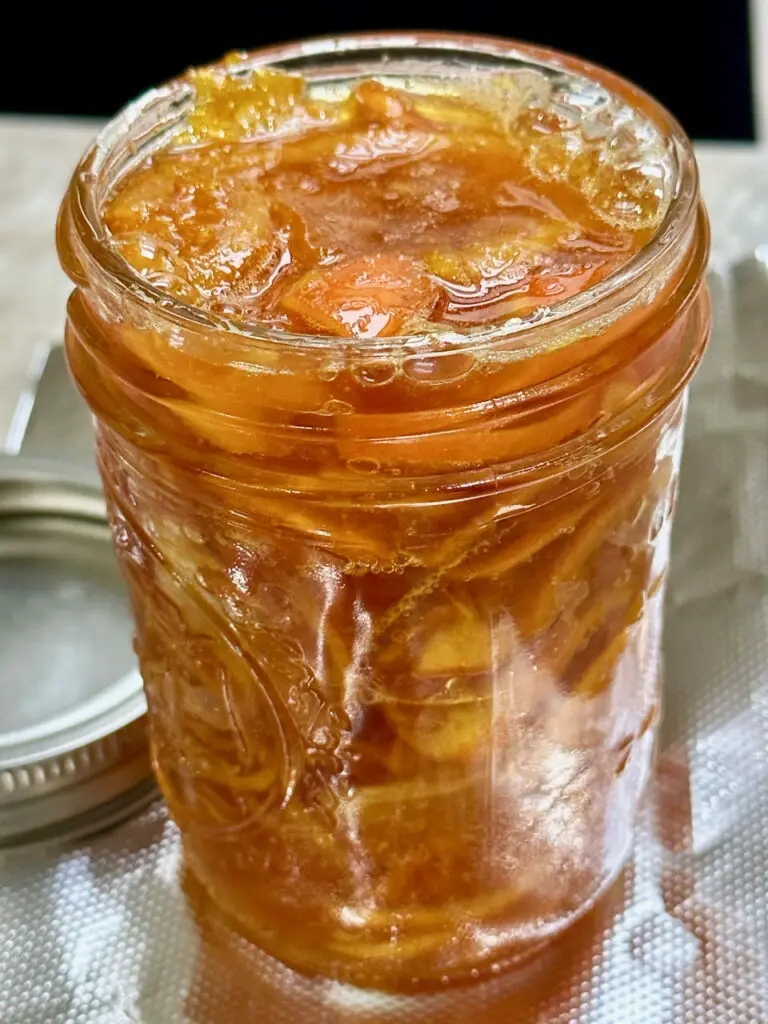
Orange Marmalade Made With Orange Blossom Water
There is something quietly luxurious about orange marmalade made with orange blossom water. It begins with the bright, familiar bitterness of citrus peel simmering slowly into softness, but finishes with a whisper of floral perfume that lifts the whole jar into something almost nostalgic.
Orange blossom water doesn’t shout; it lingers, recalling sun-warmed groves, tiled kitchens, and the old tradition of preserving fruit not just for sweetness, but for memory. This marmalade is both bold and delicate, vibrant orange brightness balanced by a gentle, aromatic finish, perfect spooned over buttered toast, folded into yogurt, or served alongside cheese on a quiet afternoon.
What Is Marmalade?
Marmalade is simply a kiss of sunshine, spread onto whatever you want it on or in! At its heart, marmalade celebrates the whole citrus fruit.
The peel, often discarded elsewhere, is the star. Its natural bitterness tempers the sugar, giving marmalade a complexity that keeps it from becoming cloying. That gentle bite is what makes a spoonful feel purposeful, almost ritualistic, especially in the morning.
Most Popular Marmalade
The most popular marmalade is made from the juice and peels of oranges, boiled in a little sugar. Once it thickens and caramelizes, it gets cooled to thicken into a jam-like spread.
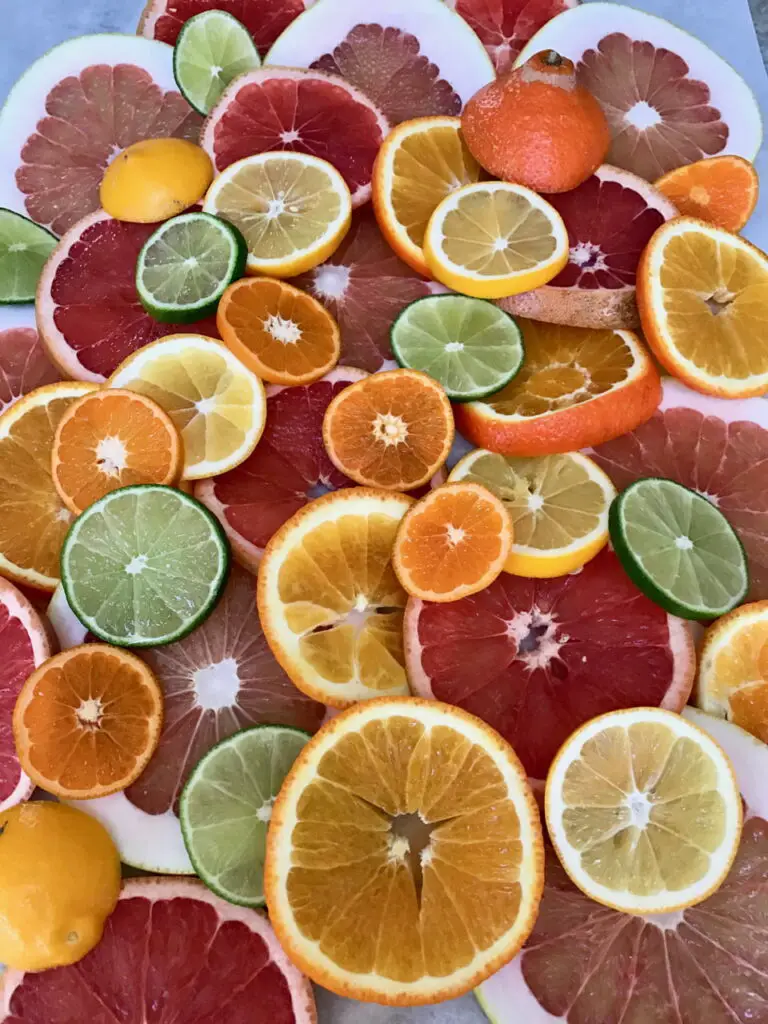
Orange marmalade isn’t the only marmalade though. Homemade marmalade gives us the options to make it from any or all citrus fruits.
Orange Marmalade Differs From Other Jams
Marmalade uses citrus, and the peel, unlike most jams, which rely on crushed or puréed fruit, marmalade is traditionally made from citrus fruits including their rinds. Those slivers of peel add texture, aroma, and bitterness that define marmalade’s character.
The Bitter and Sweet of Marmalade
It balances bitter and sweet, while most jams lean heavily into sweetness, highlighting ripe fruit sugars. Marmalade embraces bitterness as an essential flavor, creating a more layered taste, one that pairs beautifully with butter, cheese, roasted meats, and even savory dishes.
How Does Marmalade Differ From Jam?
The texture is structured. Jam is usually soft and spreadable, sometimes smooth, sometimes chunky. Marmalade has a more deliberate structure: tender peel suspended in a clear, gently set jelly. Each bite offers resistance, chew, and release.
In short, marmalade carries tradition and ritual. Marmalade is deeply tied to breakfast culture and preservation traditions, especially in cooler months when citrus is abundant, though my British husband loves his morning marmalade year round. It feels ceremonial, toast, tea, a quiet morning, rather than casual.
What Is Orange Blossom?
When making marmalade, the sweet juice of the fruit makes for the liquid that will thicken when boiled with sugar.
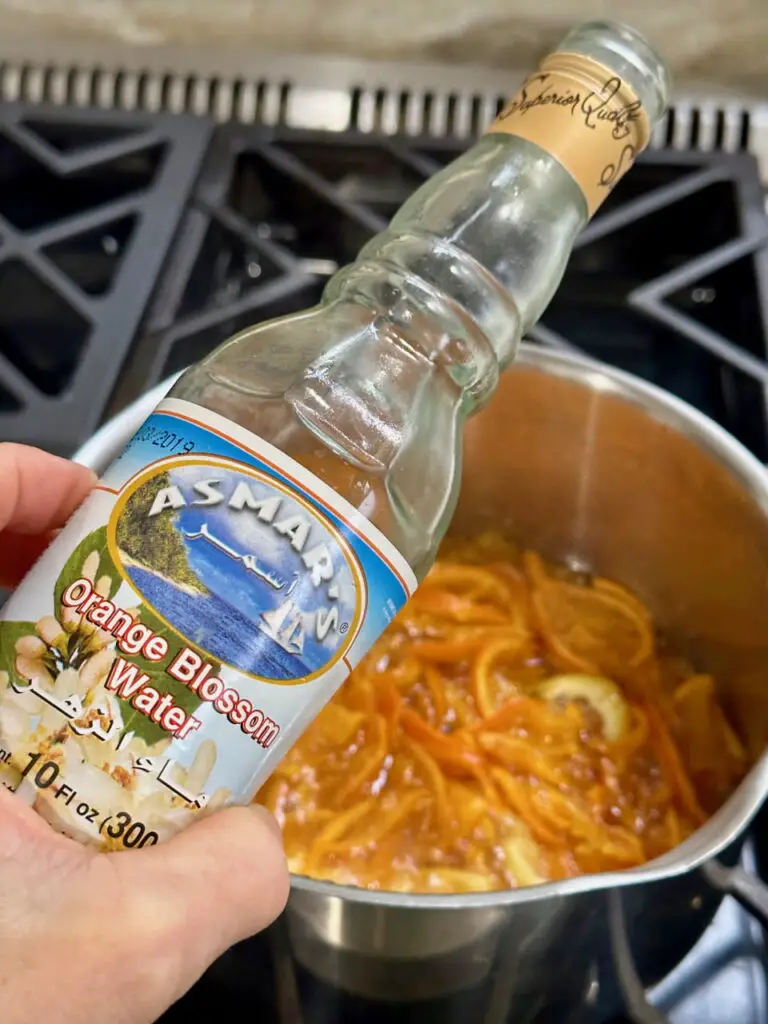
Orange blossom water is a delicate flavor additive made from distilling the flower petals from orange trees.
Orange Blossom – The Culinary Gift From Flowers
It smells and tastes of the clean brightness of orange groves when the trees are in bloom with orange blossoms.
The after taste is likened to the slightly sweet, slightly bitter taste of an orange peel, with its zesty orange oils.
Other Recipes With Orange Blossom Water
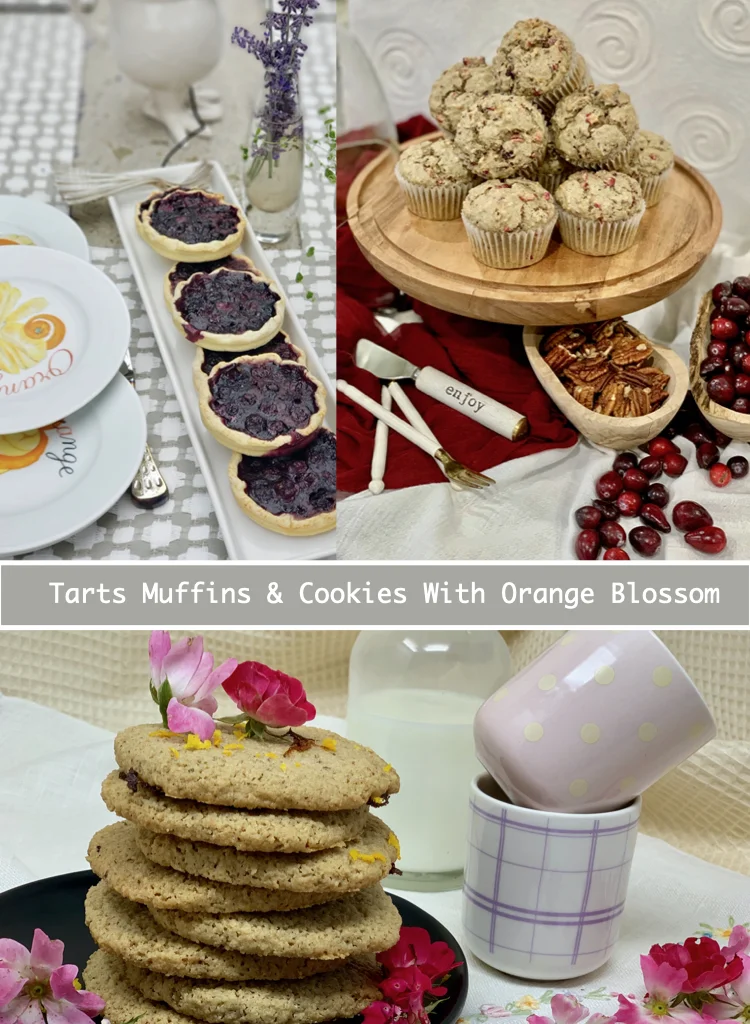
Since my heritage in Mediterranean, I tend to use orange blossom in a variety of my recipes:
- Blueberry Orange Blossom Tarts – Blueberry Orange Blossom Tarts are simply lots of blueberries layered over a thin orange blossom custard, and baked as individual portions.
- Cranberry Orange Blossom Muffins – Cranberry Orange Blossom Muffin is made from fresh cranberries, orange blossom, spices and oats, making for a delicious quick bread jumbo muffin.
- Orange Blossom Oat Flour Cookies – Gluten-free Orange Blossom Oat Flour Pecan Cookies along with and orange rinds for a delicately delicious, dare I say ‘healthy’ cookie treat!
Orange Blossom Marmalade
Adding orange blossom water to marmalade doesn’t change its identity, it refines it. Used sparingly, it works the way a finishing note of spice or a splash of wine does: not to announce itself, but to deepen everything already there.
Citrus peel brings bitterness; sugar brings warmth. Orange blossom water softens the edge between the two, rounding out sharp notes and making the marmalade feel more harmonious rather than sweet or bitter-forward.
Orange blossom water is experienced first through scent. As the jar opens or the marmalade warms on toast, its floral aroma rises gently, preparing the palate for the citrus that follows. This makes the flavor feel fuller without adding weight.
The Essence Of Orange Blossom
While marmalade is cooked and concentrated, orange blossom water reintroduces a feeling of brightness. That light floral note keeps the preserve from tasting heavy or overly caramelized, especially in longer-cooked batches.
It echoes the fruit’s origin. Orange blossom water comes from the flower of the same tree that produces the fruit. Adding it feels like completing a circle, peel, juice, blossom, reinforcing the orange’s natural character rather than masking it.
Orange Blossom creates a lingering finish. Where classic marmalade ends with citrus and sugar, orange blossom water leaves a soft, perfumed aftertaste that stays on the palate just a moment longer, making each bite feel intentional and memorable.
Flavor From The Blossoms Of The Orange Tree
I can think of no other flavor, added to marmalade that compliments, and wouldn’t detract from the fruit flavor itself.
Nothing enhances the flavor of citrus better than to use a splash of essence derived from the fruit’s blossoms itself!
I prefer to use as little sugar as I can get away with, though you do need some in order to form a jam-like syrup in the marmalade.
Why Make Homemade Marmalade?
Before 2020 I probably would never have given much attention to making my own marmalade. My British hubby is the one who devours jars of orange marmalade on his morning toast, monthly.
But then, after the changes we are all still living with, since 2020, things changed in the retail industry. It became increasingly more difficult to find and buy a quality orange marmalade.
So, I tried my hand at making it myself, and my goodness does it taste so much richer than store-bought.
Uses For Orange Marmalade
Besides my hubby’s morning toast, I have experimented with so many other uses for this refreshing marmalade.
Can you believe how scrumptious a homemade Cranberry and Orange Sorbet is, using this homemade orange blossom marmalade?
After the heavy meals we tend to eat in the colder months, this sorbet is bright in flavor, refreshing and yet still the flavors we crave during the holiday seasons. And yes, I just had to create 2 cakes with my orange blossom marmalade.
One is Flourless Almond Orange Cake and the other is Coconut and Citrus Cake made with orange blossom marmalade.
These two cakes are now my favorite citrus cakes of all times!
How To Make Homemade Orange Blossom Marmalade
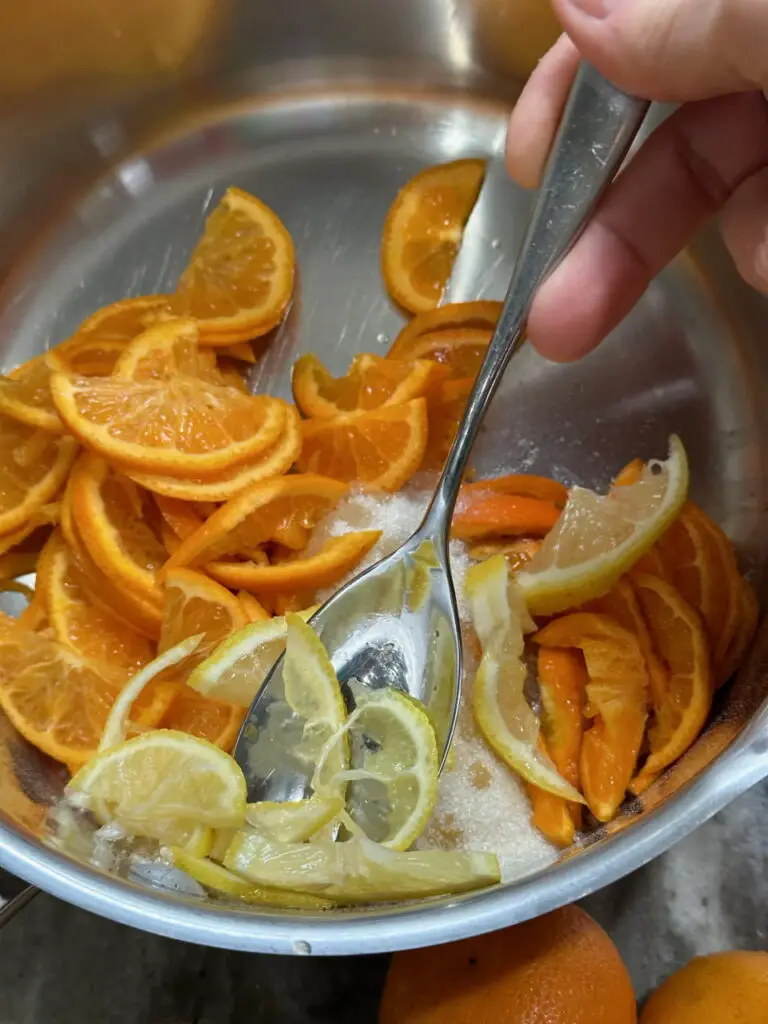
Since all of the citrus is being used, orange pulp, orange juice and orange rinds, the preparation is easy.
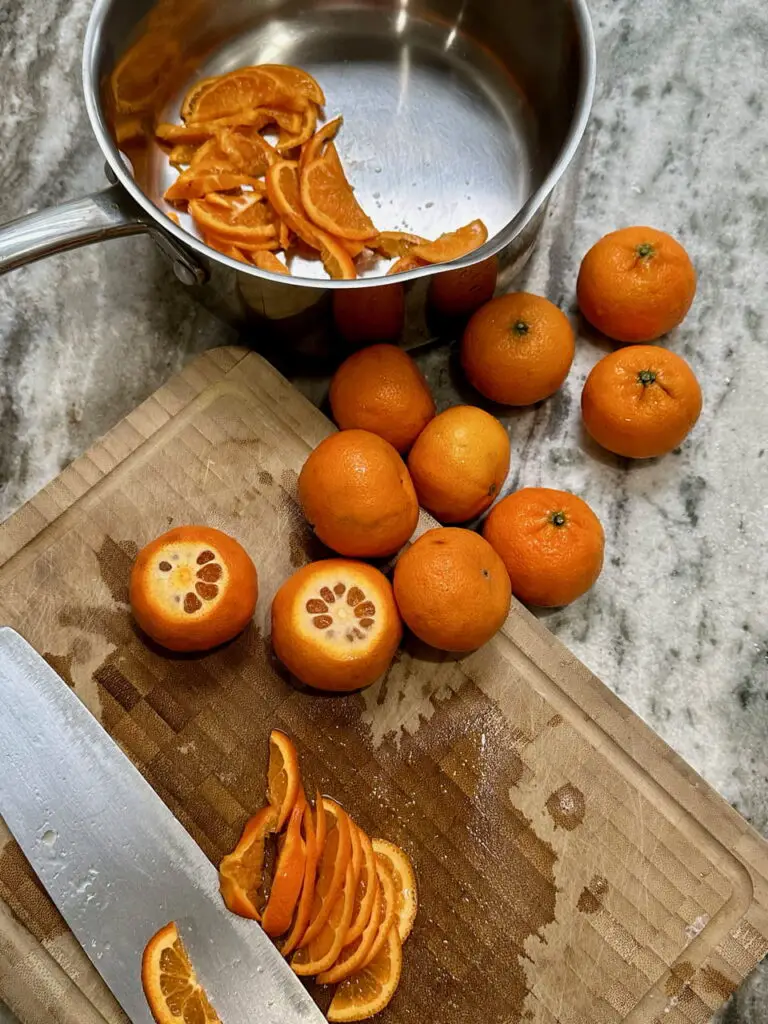
- Basically, we just chop them into tiny pieces, taking care to get all the juices into the pan.
- The remaining ingredients are simmered into the citrus, until it deepens in color and thickens.
- The orange blossom is added at the end, so as not to cook out its delicate flavor.
- Last, it is transferred into glass jars and stored in the fridge, or frozen, if you made a huge batch.
During the holiday months I tend to buy lots of clementines and oranges so this orange marmalade was a great way to repurpose them.
More Homemade Jams You’re Sure To Love
Depending on the season, I love to make a fresh fruit jam to incorporate into lots of recipes.
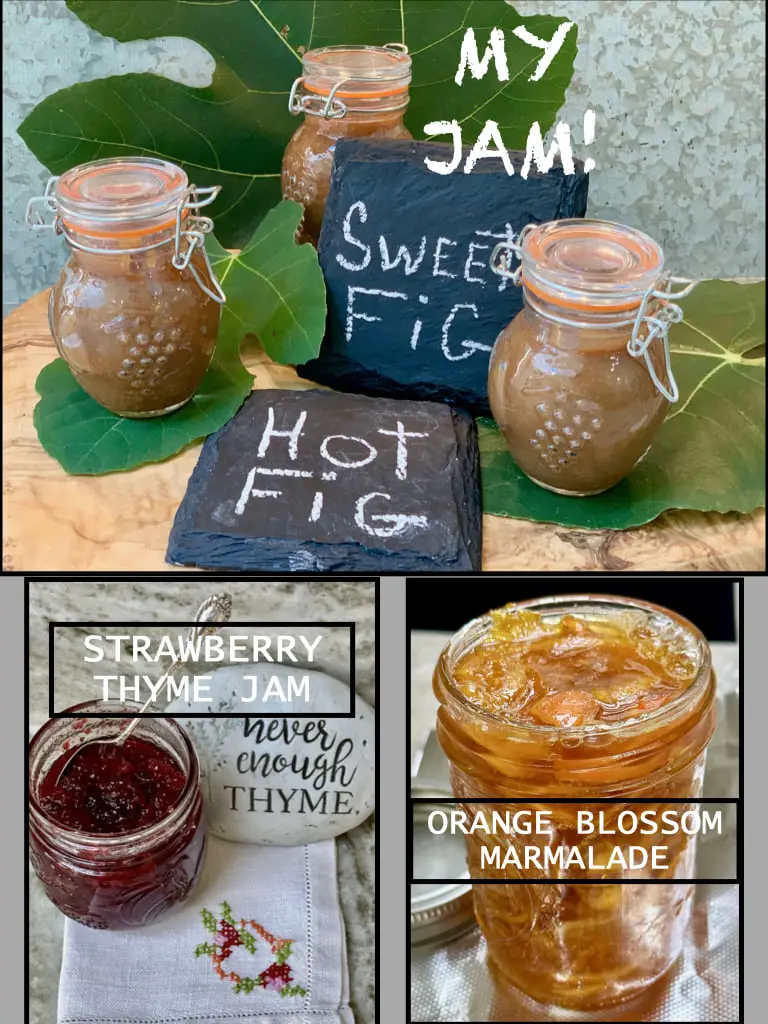
- Homemade Savory Or Sweet Fig Jam – Homemade Savory Or Sweet Fig Jam With chilies, garlic and bourbon or simply sweet fresh figs.
- Homemade Thyme Strawberry Jam – A balance of sweet and sour, with the earthiness of thyme.
Equipment Needed
- Saucepan – A wide, heavy-bottomed saucepan allows the marmalade to cook evenly without scorching. As the citrus, sugar, and water simmer, the open surface encourages gentle evaporation, helping the mixture thicken naturally while concentrating flavor.
- Chopping knife – A sharp chopping knife gives you control over the cut of the peel. Whether sliced thin for elegance or slightly thicker for chew, the knife determines the marmalade’s final texture, each piece of peel softening slowly but holding its shape.
- Cutting board – The cutting board provides a stable surface for preparing the fruit safely and precisely. It’s where the transformation begins: whole oranges broken down thoughtfully into peel, flesh, and juice.
- Measuring cup and measuring spoons – Marmalade rewards precision. Measuring ensures the right balance of fruit, sugar, water, and orange blossom water, which is especially important when working with bitterness and floral notes. Accuracy helps the marmalade set properly and taste harmonious.
- Glass storage jars with lids – Glass jars preserve both flavor and aroma without absorbing scent or color. They also allow you to admire the finished marmalade, jewel-toned, glossy, and suspended with peel, while keeping it fresh for weeks or months.
- Stovetop or Burner – The stovetop offers steady, controllable heat, essential for coaxing citrus peel into tenderness without rushing the process. Marmalade is a slow craft, and gentle heat allows flavor, texture, and clarity to develop together.
Ingredients Needed
- Oranges – The heart of any good marmalade lies in the oranges themselves. Both flesh and peel are used, allowing the fruit’s natural bitterness, brightness, and sweetness to unfold slowly as they simmer. As the peel softens, it releases essential oils that give marmalade its signature depth and character.
- Lemon – Lemon brings balance and structure. Its sharp acidity lifts the sweetness of the oranges while its natural pectin helps the marmalade set, creating that clear, softly gelled texture that holds the peel just in place.
- Sugar – Sugar does more than sweeten. It preserves, coaxes flavor from the citrus, and transforms juice into a glossy, spoonable conserve. As it dissolves and cooks, it tempers bitterness and allows the fruit to shine without overpowering it.
- Orange blossom water – Used with restraint, orange blossom water adds a delicate floral note that enhances rather than masks the citrus. It lifts the aroma, softens the edges of the peel, and leaves a lingering, elegant finish, a quiet echo of the orange tree in bloom.
- Water – Water is the patient medium that brings everything together. It gently softens the peel, extracts flavor, and allows the marmalade to develop slowly and evenly, ensuring clarity, balance, and depth.
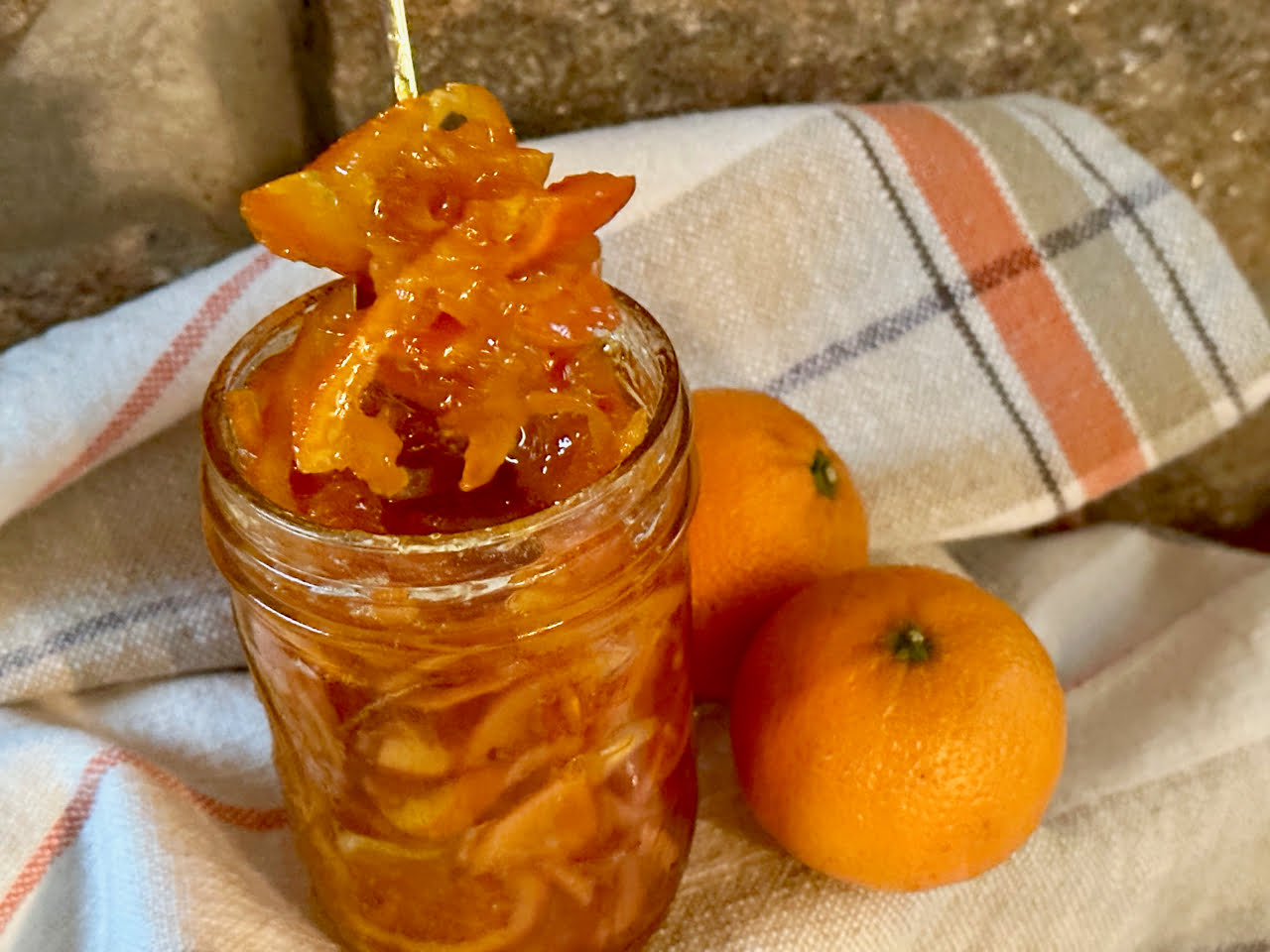
Homemade Orange Blossom Marmalade
Homemade Orange Blossom Marmalade, made with a handful of oranges, a twist of lemon, not much sugar and delicately scented orange blossom water.
Equipment
- Saucepan
- Cutting board with knife
- Airtight container
Ingredients
- 2 cups Oranges chopped
- 1/4 cup Lemon chopped
- 1/2 cup Sugar
- 1 tsp Orange blossom water or to taste
- 1/4 cup Water
Instructions
- Wash the oranges and lemon. Peel the oranges and cut the peels into very thin strips. Do the same with the lemon. Rough chop the pulp from both oranges and lemon slices and put into a medium saucepan, along with the peels, taking care not to lose any of the juices.
- Add the sugar and water and bring to a boil on medium high heat. Lower and simmer until the mixture begins to look thick and deeper in color, almost caramelized.
- Add the orange blossom water and simmer for another minute. Turn off and cool enough to transfer to glass jars with a lid. Cool completely and store in the fridge.
Video
Notes
- Will keep up to a month in the fridge or can be frozen for several months.
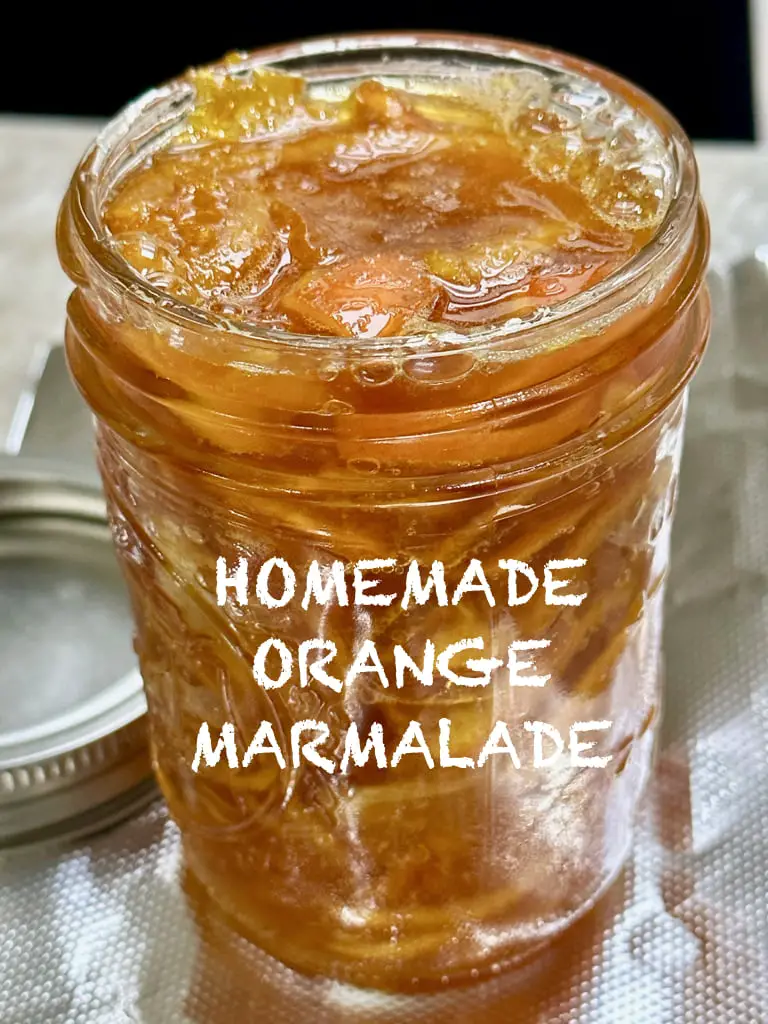

I believe the table... that place that draws people to gather, is the most powerful symbol of togetherness. All that happens before the table is set, the planning, the gathering, the preparing, are all an intricate part of the dance that create the mood of celebration to share with friends and loved ones.