
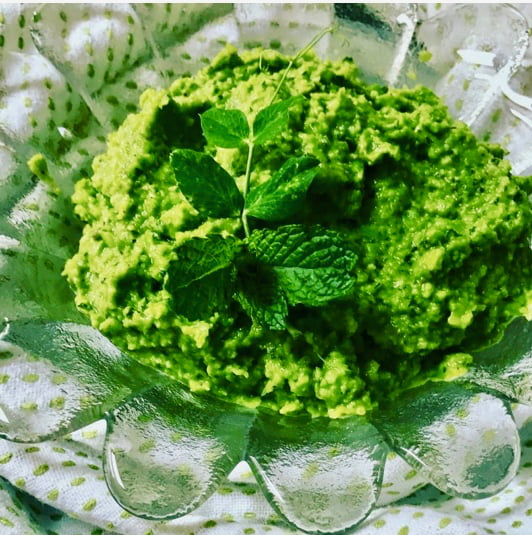
This vibrant pea pesto recipe with olive oil, lime, garlic and herbs is the perfect spring spread. Use it on crostini, scallops, shrimp wontons or even chilled soup.
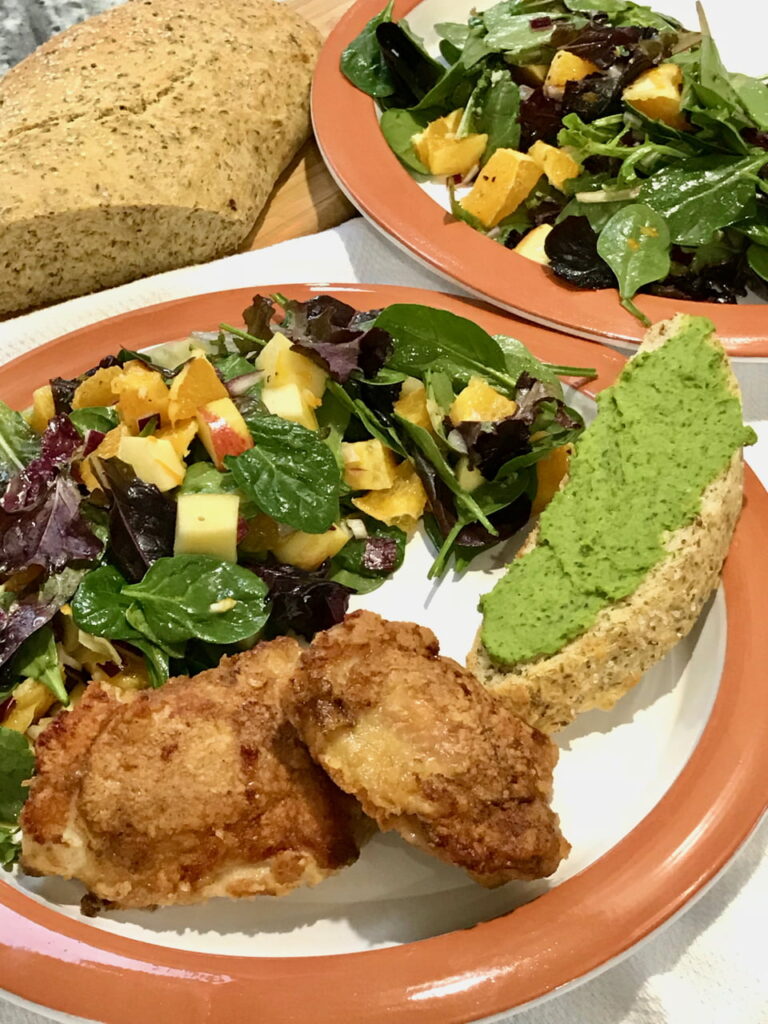
Green Peas For A Creamy Pesto Spread
There’s a moment every spring when everything turns green again,the markets, the gardens, even the way we begin to cook. After a season of slow braises and hearty spreads, I find myself reaching for something brighter, fresher, and full of life, homegrown peas.
In my kitchen, hummus may reign year-round, but when spring arrives, it quietly steps aside for something just as versatile but far more vibrant: pea pesto.
This silky blend of sweet blanched peas, citrusy lime, garlic, and fresh herbs becomes whatever the moment calls for. Spread onto crostini for a light lunch, tucked beneath seared scallops, spooned into crisp wonton cups with shrimp, or even thinned into a chilled soup, it’s a recipe that adapts as easily as the season itself.
What Is Pea Pesto?
Pea pesto is a fresh, spring-inspired twist on traditional pesto, replacing basil with sweet green peas and bright herbs like cilantro or parsley.
Unlike classic pesto, this version is:
- Slightly sweeter
- Creamier in texture
- More versatile across dishes
The addition of lime juice and chili or chipotle pepper gives it a lively balance of brightness and subtle heat, making it ideal for both appetizers and main dishes.
Why You’ll Love This Pea Pesto Recipe
This isn’t just a dip, it’s a seasonal kitchen staple.
- ✔ Ready in under 15 minutes
- ✔ Uses simple, fresh ingredients
- ✔ Naturally vegetarian and gluten-free
- ✔ Works as a spread, sauce, or base
- ✔ Perfect for spring and summer entertaining
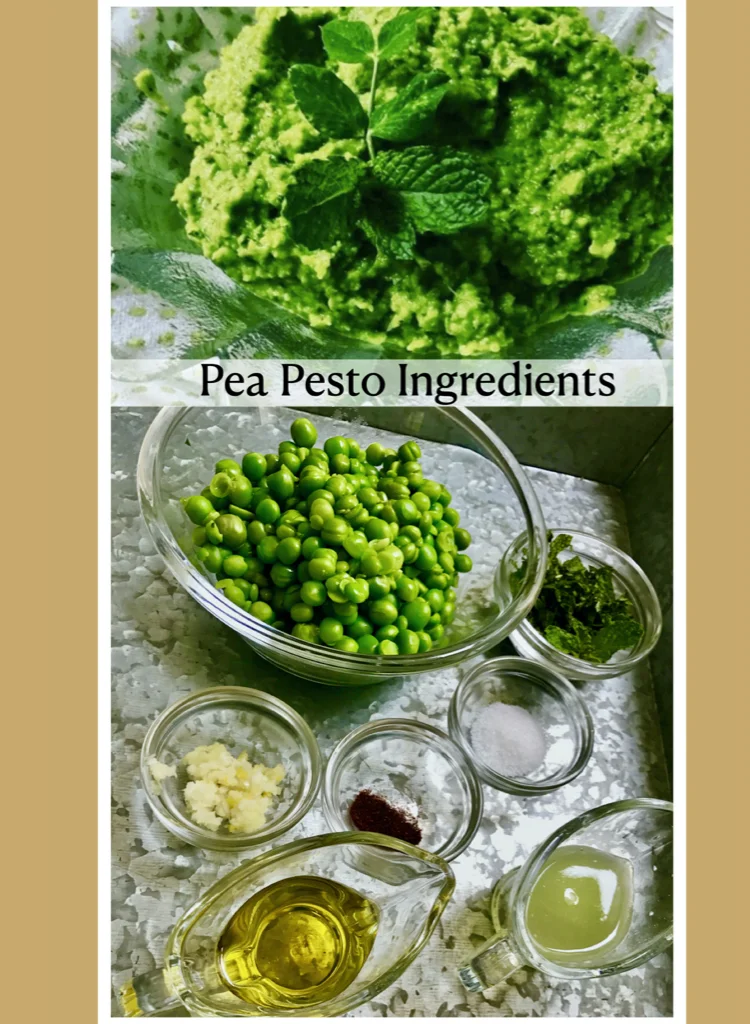
Ingredients You’ll Need for Pea Pesto
Blanched Peas – The star of the recipe. Blanching locks in that vibrant green color and enhances natural sweetness.
Fresh Herbs (Cilantro or Parsley) – Cilantro adds brightness and citrus notes, while parsley offers a more classic, earthy flavor.
Olive Oil – Creates a smooth, rich texture and carries the flavors beautifully.
Lime Juice – Adds acidity and freshness, balancing the sweetness of the peas.
Garlic Cloves – Essential for depth and savory contrast.
Chipotle or Chili Pepper – A subtle kick of heat that elevates the pesto from simple to memorable.
Tools You’ll Need
- Food processor or blender (for smooth consistency)
- Saucepan (for blanching peas)
- Ice bath (to preserve color and texture)
- Measuring tools (for a balance in flavors)
How to Make Pea Pesto
1. Blanch the peas – Place peas in a saucepan with just enough water to cover. Heat for about 3 minutes, until bright green.
2. Shock in ice bath – Immediately transfer peas to an ice bath to stop cooking and preserve color.
3. Blend the pesto – Add the peas, herbs, olive oil, lime juice, garlic, and chili pepper to a food processor.
4. Purée until smooth – Blend until creamy. Adjust seasoning or lime juice to taste.
Garden Fresh Herbs and Peas
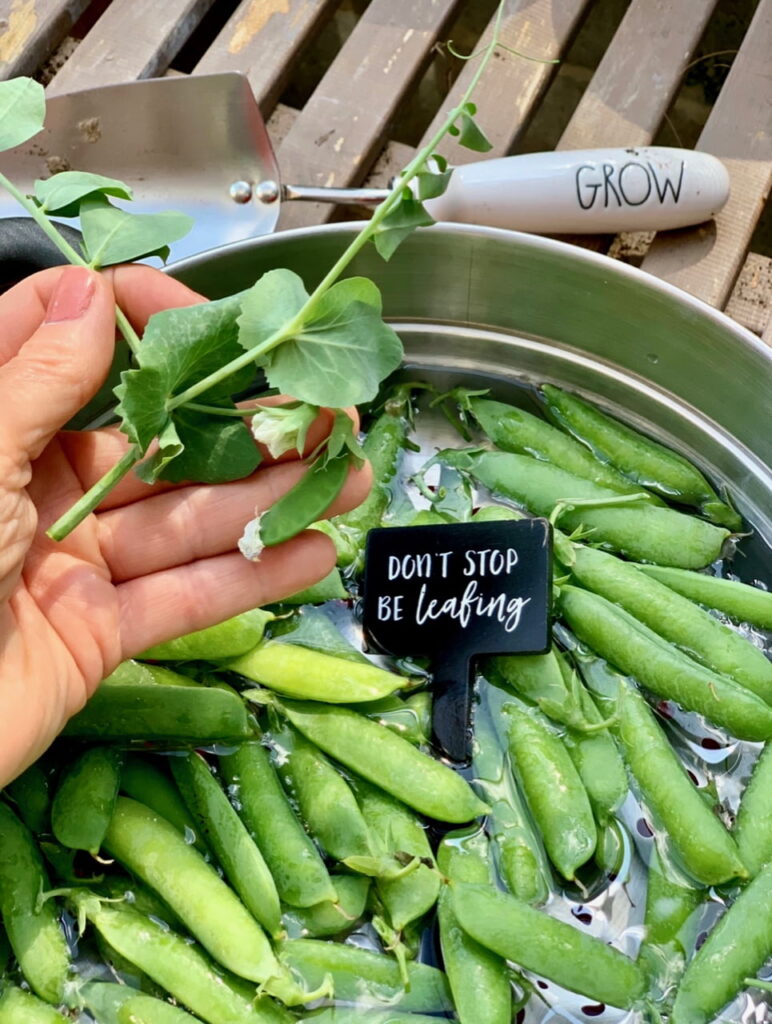
Every year, when springtime inspires my cooking, I go out to my garden for simple ingredients and whip up great meals.
Many variation of a an easy pea pesto can include fresh basil, fresh or frozen peas and a few ingredients you probably already have. For an extra measure of protein, to an already delicious pea pesto, pine nuts, sunflower seeds, almonds or walnuts can be added.
Toss in a little parmesan cheese, just before serving, and you can take simple recipes and make them memorable.
Pesto vs Hummus
Let’s face it, the most flavor enhancing ingredient in our kitchens, is Garlic and any creamy spread or dip, usually has garlic as a dominant flavor. When garlic is used raw, it has an almost ‘hot’ bite to the tongue. Although, when garlic is roasted and used in recipes, the flavor is almost sweet and nutty.
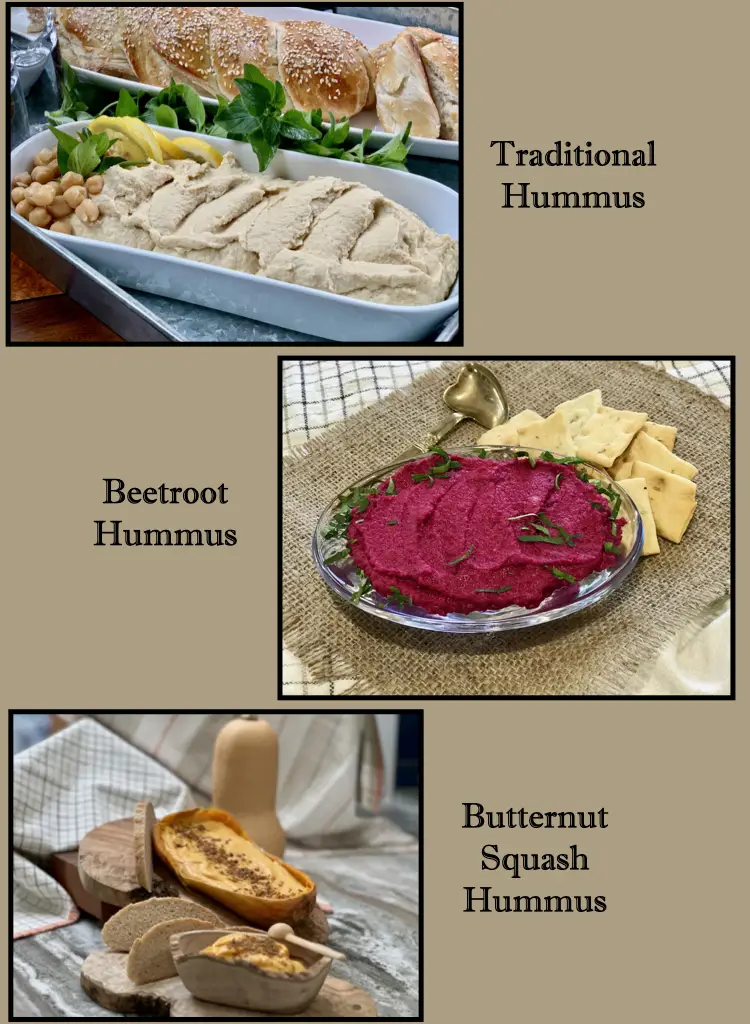
If you are a hummus lover, chances are it’s because you love garlic and quite honestly I look at pesto as a delicious spring hummus! Speaking of hummus, here are some of my favorite hummus recipes, remembering that my heritage is Syrian, and so I am taking liberties with one of our favorite dishes!
- Traditional Hummus – made the way my Syrian mama always made it, with tradition!
- Beet Hummus – with chickpeas, tahini, sumac, lots of garlic and sweet, earthy beets.
- Butternut Squash Hummus – with red lentils, tahini lots of garlic and roasted squash seeds on top.
- Pumpkin Hummus With Chili Oil – an autumn twist on a mediterranean classic with a splash of heat.
Spring Pea Pesto as a Bright and Easy Spread
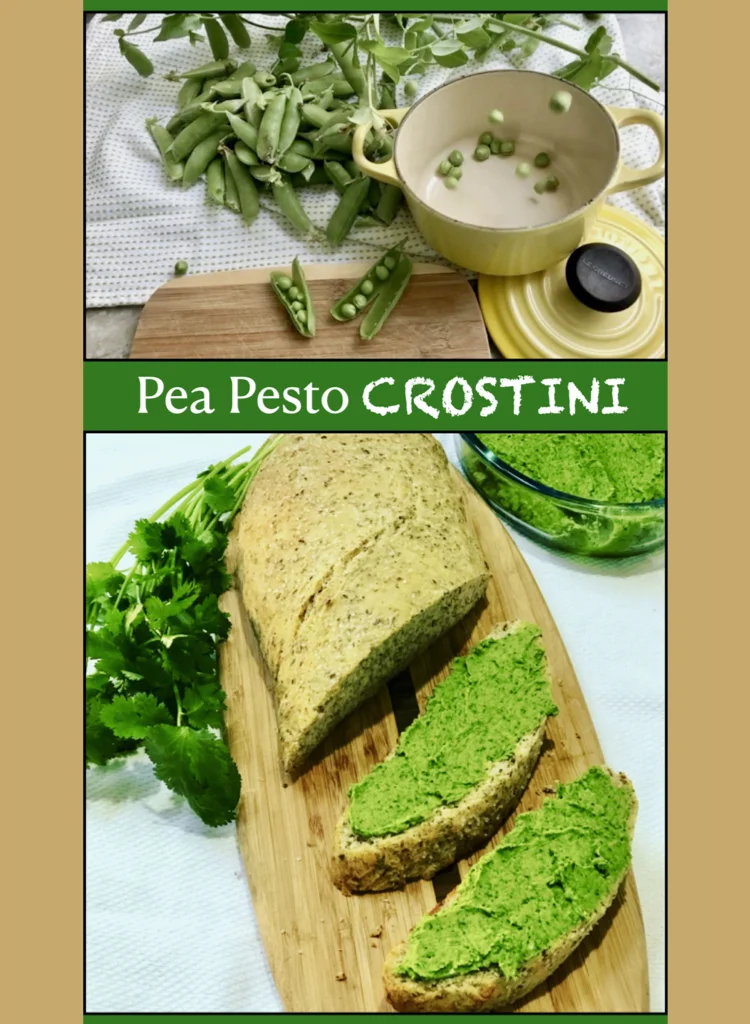
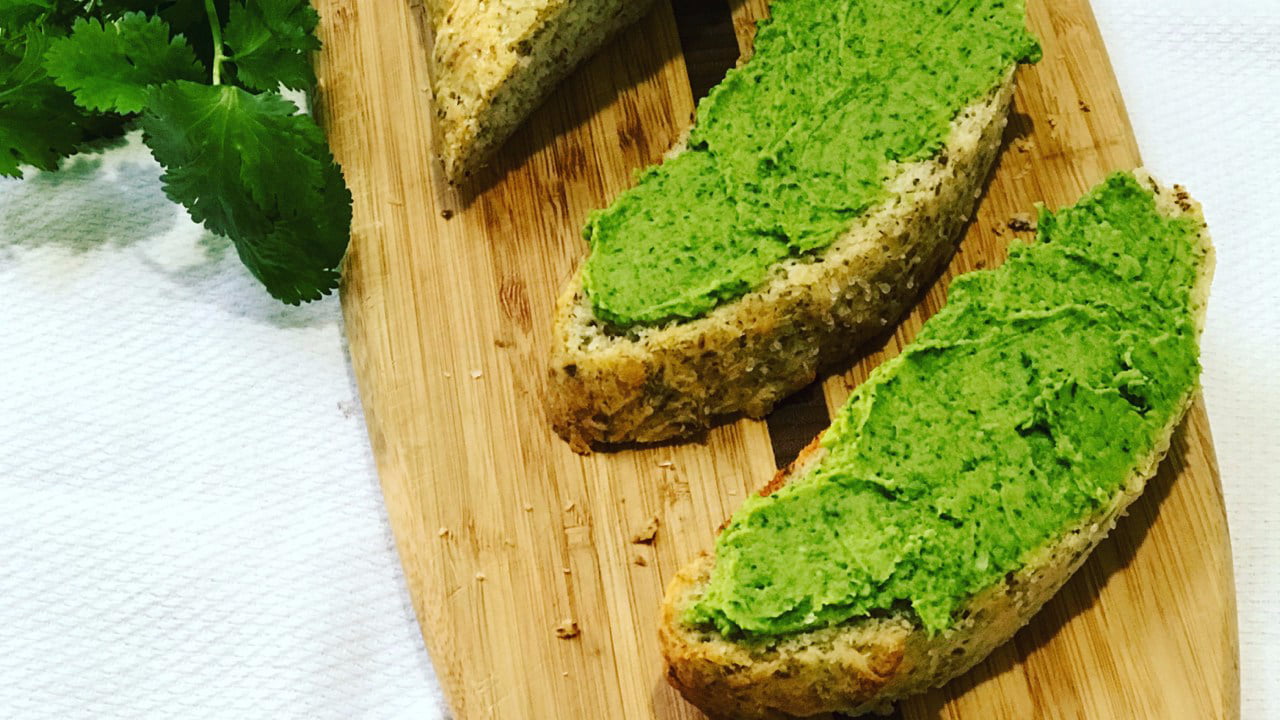
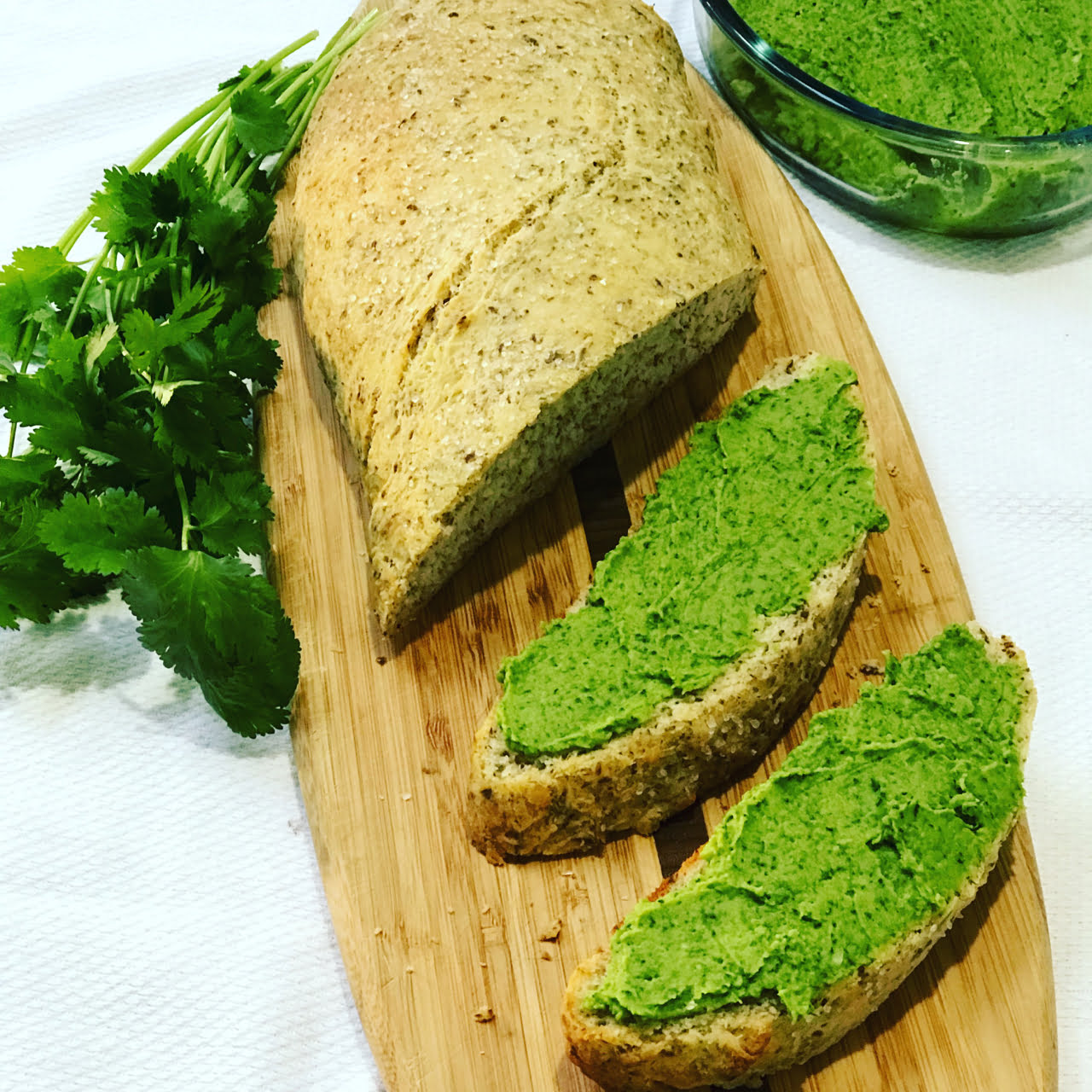
Once this bright and easy pea pesto is made, it is easily turned into a Crostini Spread, and deliciously served over Homemade Bread for a luncheon with friends, or an afterschool snack for the kids.
Spring Cold Pea Soup Made From Pea Pesto
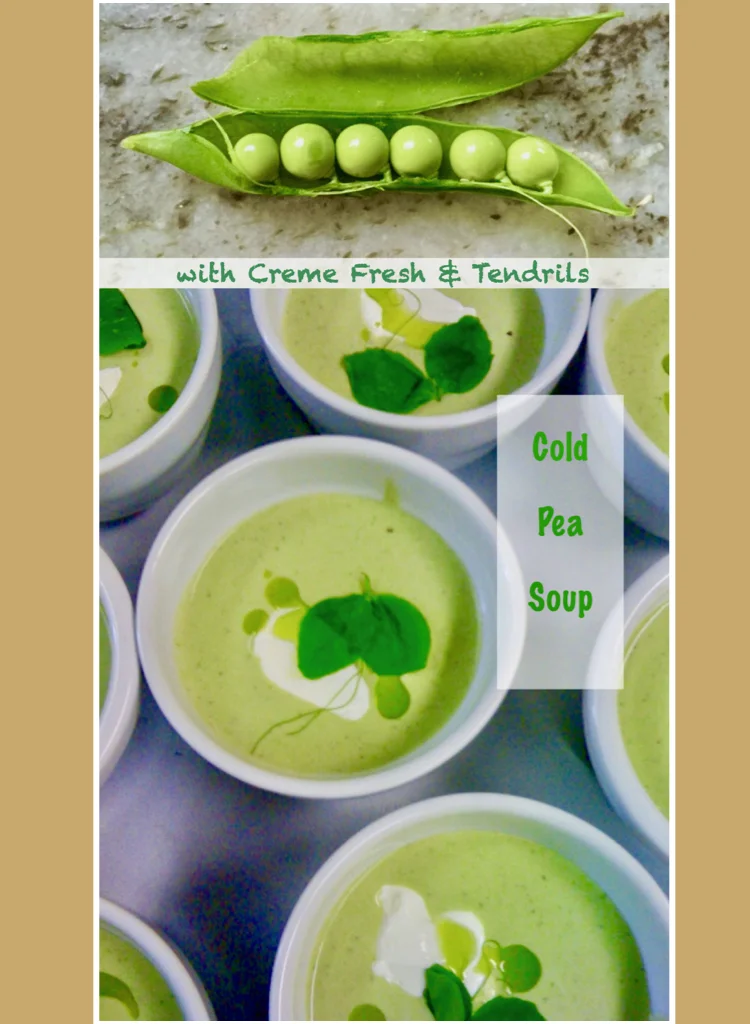
We often forget how refreshing and surprisingly flavor-filled a cold soup can be in the spring. For a Mother’s Day luncheon, a bridal shower, or those first lovely meals enjoyed out on the deck after a long winter, this cold pea soup is impressively perfect.
Simply prepare a favorite vegetable broth, puree it along with enough pea pesto and a drizzle of cream to achieve the flavor and color you desire. Serve with a dollop of creme fresh on top and a pea tendril or other herb.
Pea Pesto Appetizers
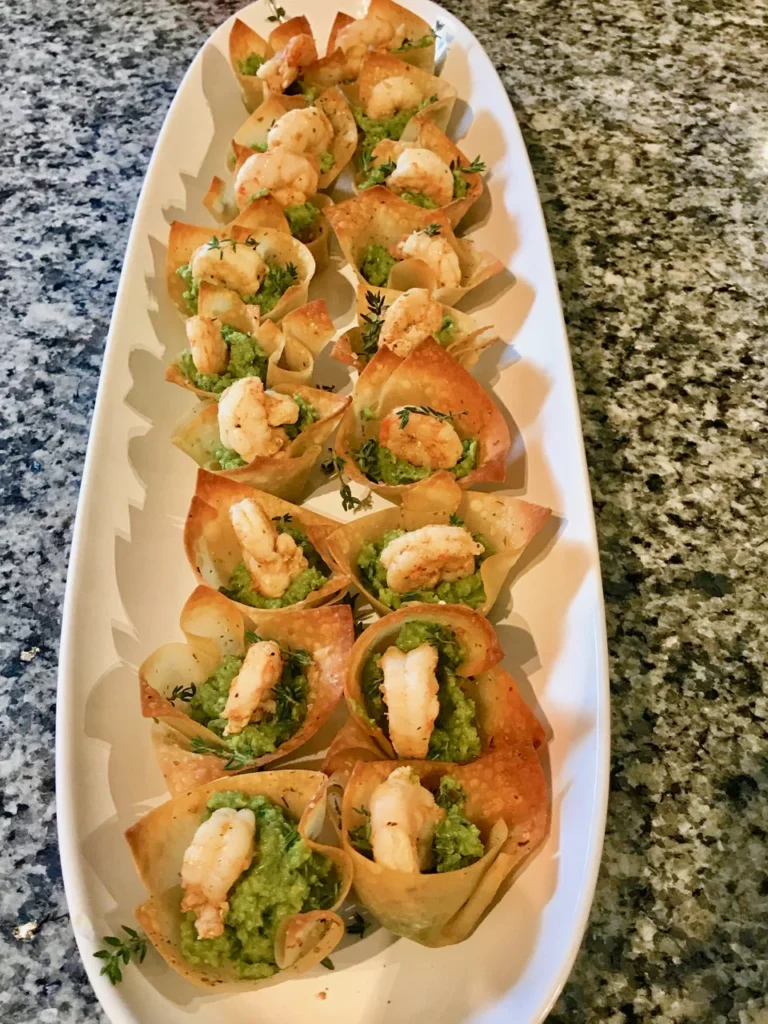
One of my favorite ways to serve appetizers in spring and summer, is a pea mint pesto in a Wonton Cup with one shrimp per cup!
The only thing you need is to take wonton wrappers, pressed into muffin tins, bake for a few minutes and serve with a few tablespoons of the prepared pesto and a cooked shrimp.
Pea Pesto As A Main Course Meal
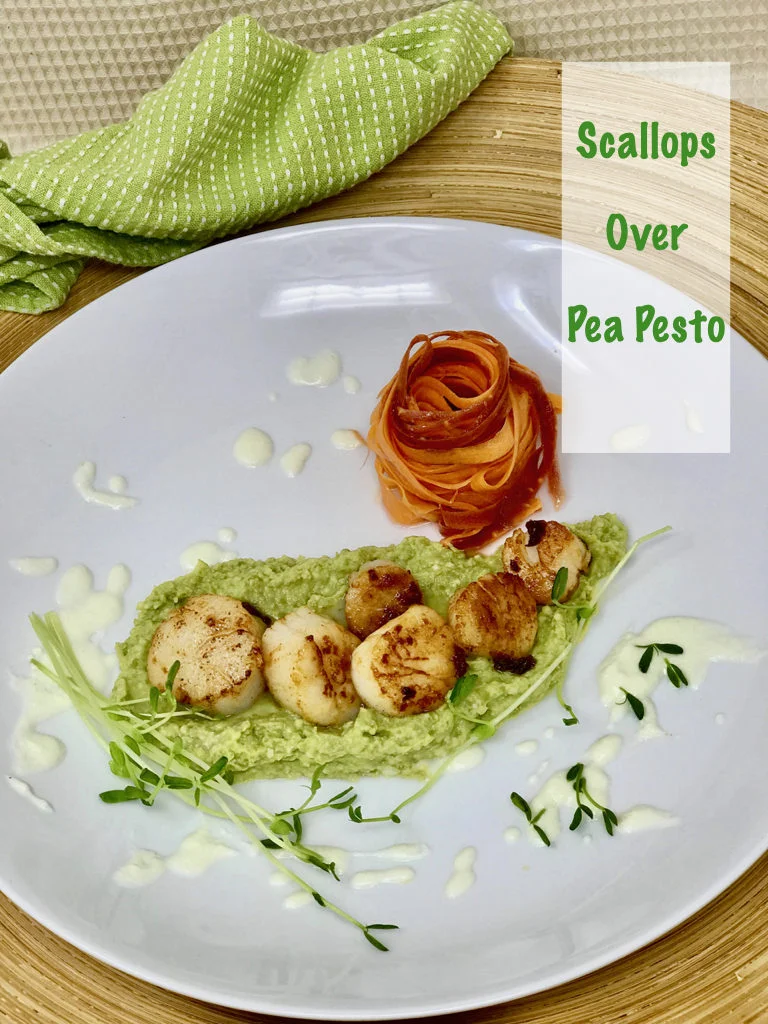
Seared Scallops Over Pea Pesto, with garden fresh peas, perfectly seared scallops, dotted with a rich beurre blanc to kick off my Spring and Summertime dishes!
There are three components to this decadent, flavorful, restaurant quality dish that you can make at home. They are each easy, so don’t be shy!
- Pea Pesto – blanched peas pureed with a hint of chili and fresh mint.
- Beurre Blanc – a rich sauce of white wine, cream and shallots.
- Seared Scallops – lightly dusted with smoked paprika and sautéed in butter.
FAQ
Can I use frozen peas for pea pesto? Yes! Frozen peas work beautifully, just blanch briefly to enhance color and texture.
How long does pea pesto last? – Stored in an airtight container in the refrigerator, it lasts 3-4 days.
Can I freeze pea pesto? – Yes, freeze in small portions for up to 2 months.
What herbs work best? – Cilantro, parsley, or even mint (especially for a soup variation).
Is pea pesto dairy-free? – Yes, this version contains no cheese, making it naturally dairy-free.
Spring Pea Pesto Recipe (Easy, Bright and Multi-Purpose Spread)
Equipment
- Food processor or blender
- Saucepan
Ingredients
- 2 cups Blanched peas
- 1/4 cup Fresh cilantro or parsley
- 1 tbsp Olive oil extra for crostini
- 2 tbsp Lime juice
- 1 tsp Salt or to taste
- 2 Garlic cloves
- 1/2 tsp Chipotle or chili pepper
Instructions
- To blanch – place peas in a saucepan with just enough water to cover the peas. Heat until the color turns bright green, about 3 minutes. Remove the peas from the hot water and place into an ice bath to stop them from cooking and to retain their bright color.
- Transfer the blanched peas with the other pesto ingredients into a blender or food processor. Whirl until pureed.
- Use right away or store in an airtight container in the refrigerator until ready to use.
If spring had a flavor, this would be it. Make a batch of this pea pesto and let it carry you through everything from quiet lunches to elegant gatherings. And if you find a new way to use it, I’d love to hear, because recipes like this are meant to evolve.

I believe the table... that place that draws people to gather, is the most powerful symbol of togetherness. All that happens before the table is set, the planning, the gathering, the preparing, are all an intricate part of the dance that create the mood of celebration to share with friends and loved ones.