
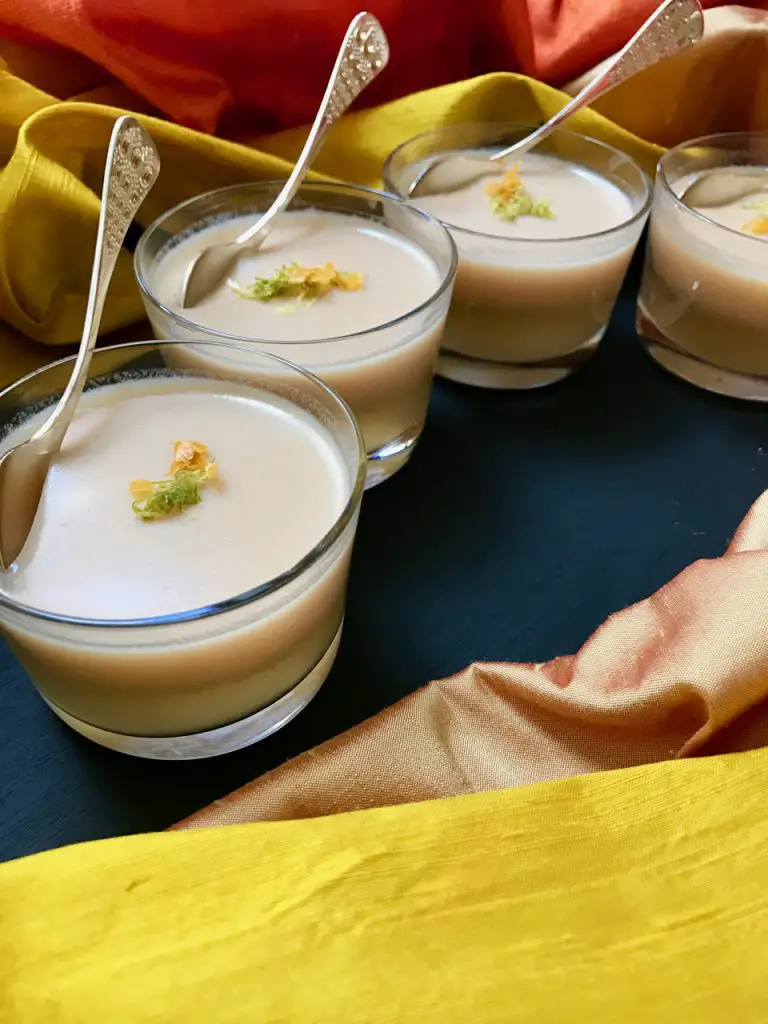
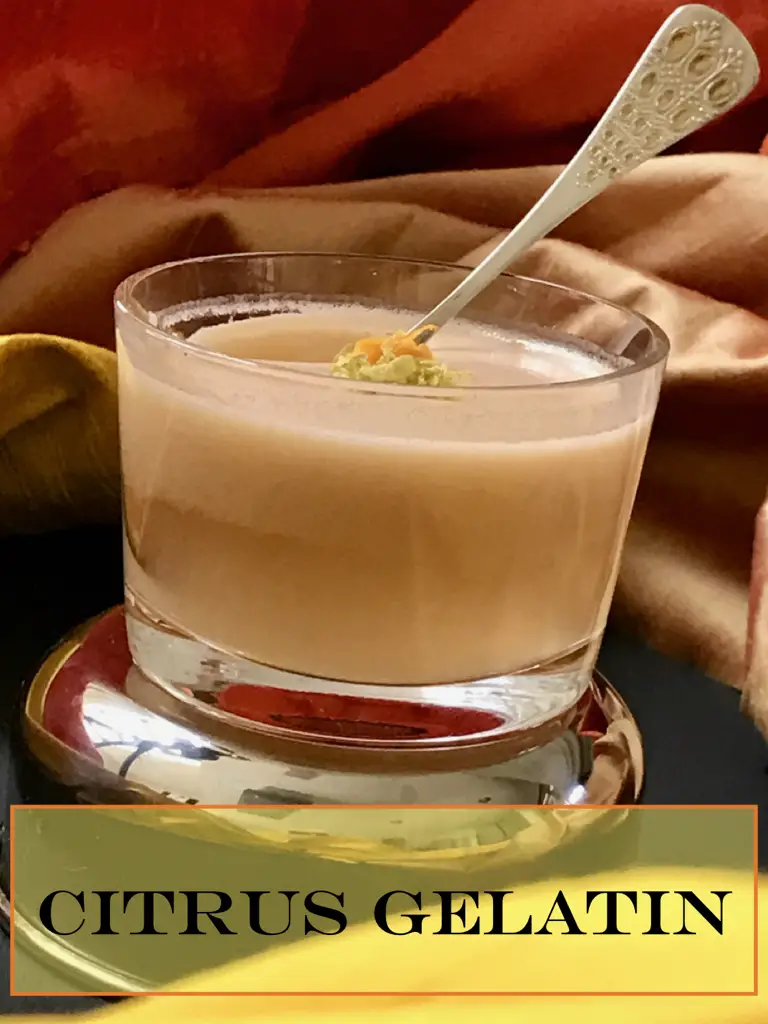
How to make this creamy coconut milk Citrus Gelatin, just the lemon jello bite of sunshine we need in winter, and refreshing dessert in summer.
What Is Jello?
Jello is a brand of flavored gelatin dessert, brightly colored, lightly sweet (actually overly sweet), and known for its signature wobble. At its simplest, it’s made by dissolving gelatin (derived from collagen), with sugar and flavorings in hot water, then chilling it until it sets.
Gelatin itself comes from collagen found in animal bones, skin, and connective tissue. While that may sound unglamorous, gelatin has been used for centuries in both savory dishes (aspics, meat jellies), and desserts long before Jell-O brand gelatin ever existed.
A Little Background On Jello
1897 – Jello was first created in the United States by Pearle Bixby Wait, who added fruit flavoring and sugar to powdered gelatin and named it “Jell-O.”
Early 1900s – It became widely popular after aggressive advertising positioned it as a modern, convenient dessert, especially appealing to home cooks.
1920s – 1950s – Jello reached peak cultural popularity. It was embraced as a symbol of progress and creativity in American kitchens, appearing in everything from molded salads with vegetables to layered desserts and party dishes.
Post–World War II – Its affordability, shelf stability, and versatility made it a staple of mid-century American food culture.
Gelatin vs Jello
When I was growing up, grocery box Jello was the only homemade jello I was familiar with. It came in a variety of colors and flavors and was easy enough a dessert for us little kids to make.
Even to this day, it remains a popular fun jiggle of a dessert for kids, or grownup jello shots!
Once I became aware of the abundance of sugar in the boxed version, not to mention artificial flavors and dye, I knew it was time I learned how to make my own, and ditch that boxed stuff!
After-all, the most necessary ingredient is the gelatin mixture, which I wanted to come from a pure gelatin source.
What’s In Your Lemon Jello?
Let’s be honest, the primary ingredients needed for a lemon gelatin, is Lemon and Gelatin.
Sure, we will want something to sweeten it, but we now have so many choices for sweeteners, and can control how sweet we make our jello.
Don’t you think jello recipes should have natural ingredients and not artificial flavors?
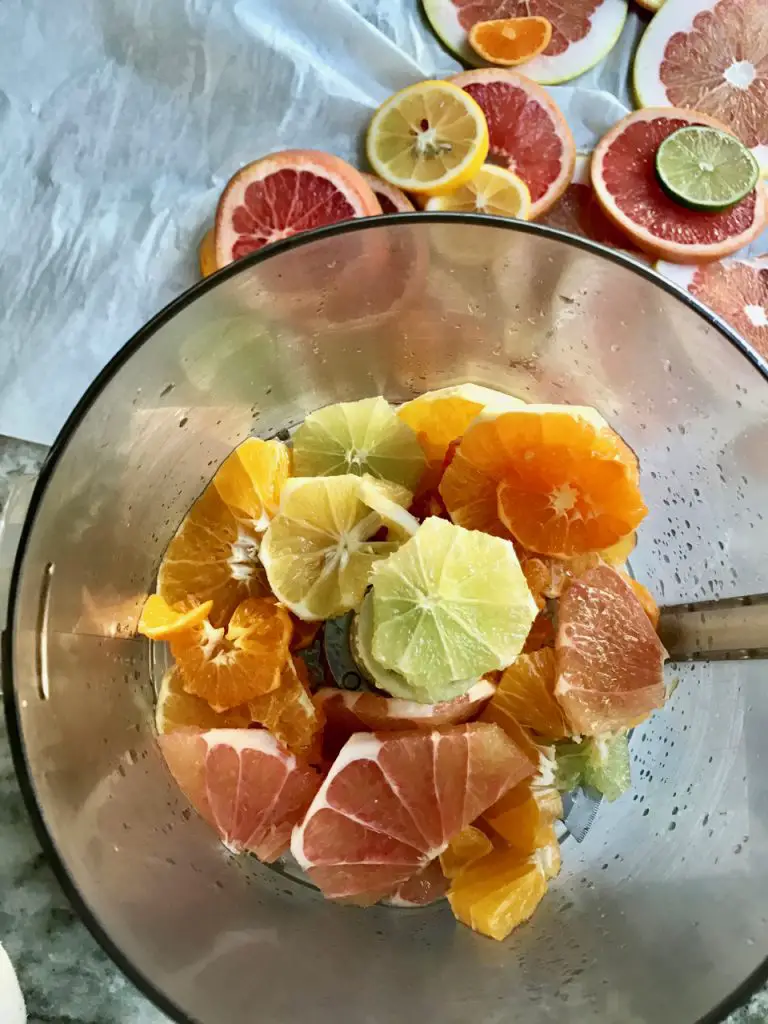
For this delicious, dare I say ‘healthy’ homemade lemon jello, the natural flavors of orange, grapefruit, lemon, and lime will offer the best flavor, and health properties.
Types Of Gelatin
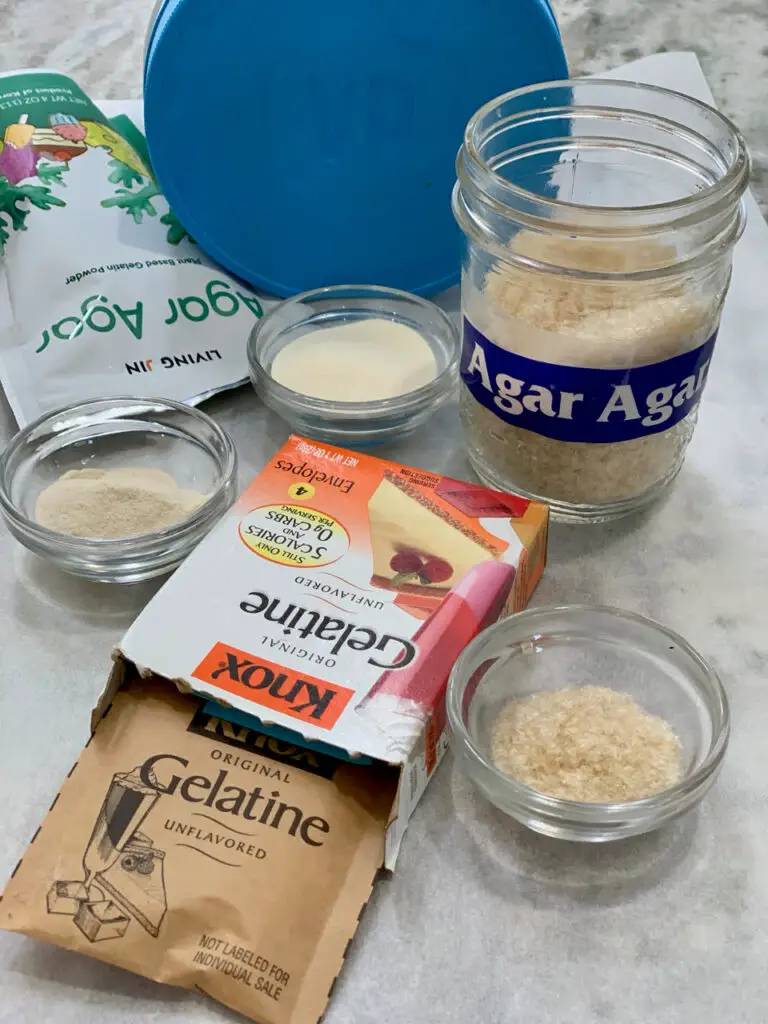
While I grew up using the Knox brand Jell-O, as many of us did, I have been introduced to several different types of gelatin.
The gelatin I am most familiar with is not a collagen sourced gelatin, even though it comes from bovine, or perhaps other animals.
The bovine collagen I drink everyday in my protein shake, is different from the bovine gelatin, so read the label.
However, Agar agar is a gelling agent that comes from a type of algae, and has become my favorite gelatin for several reasons:
- It is plant based and therefore doesn’t limit my use when preparing jello treats for friends and family.
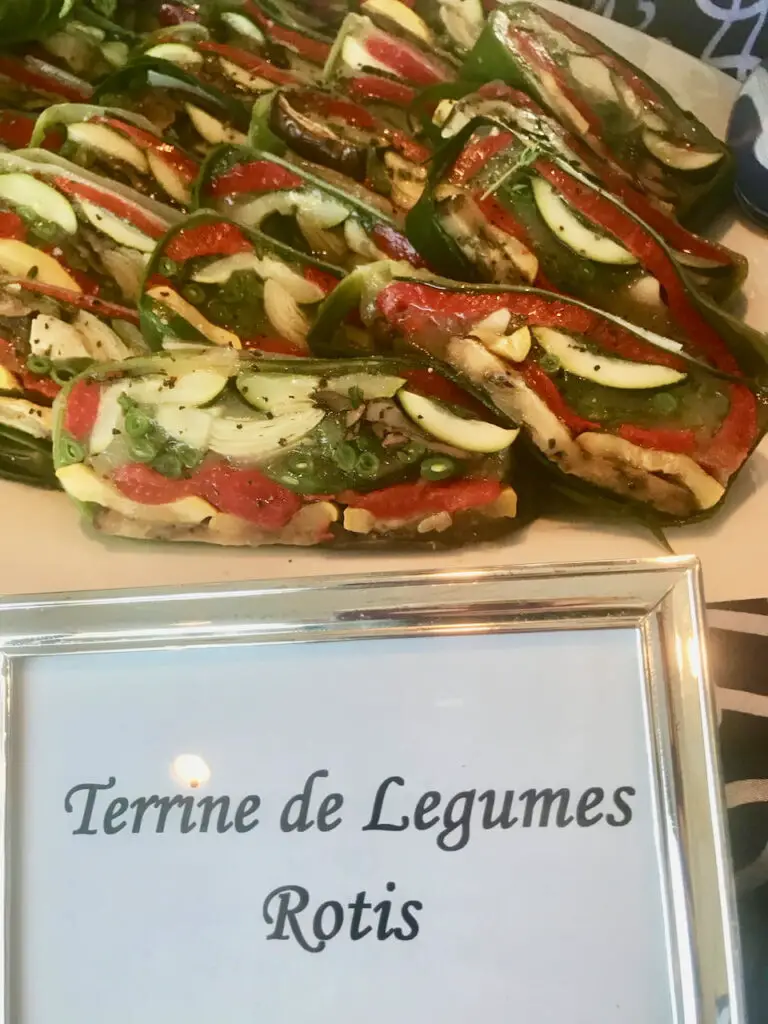
- It sets quickly, resulting in a firm gelatin, which is perfect for those times when you want to suspend fruits for a jello salad, or other ingredients for a fancy French style Aspic or Terrine, that will definitely require a firm gelatin.
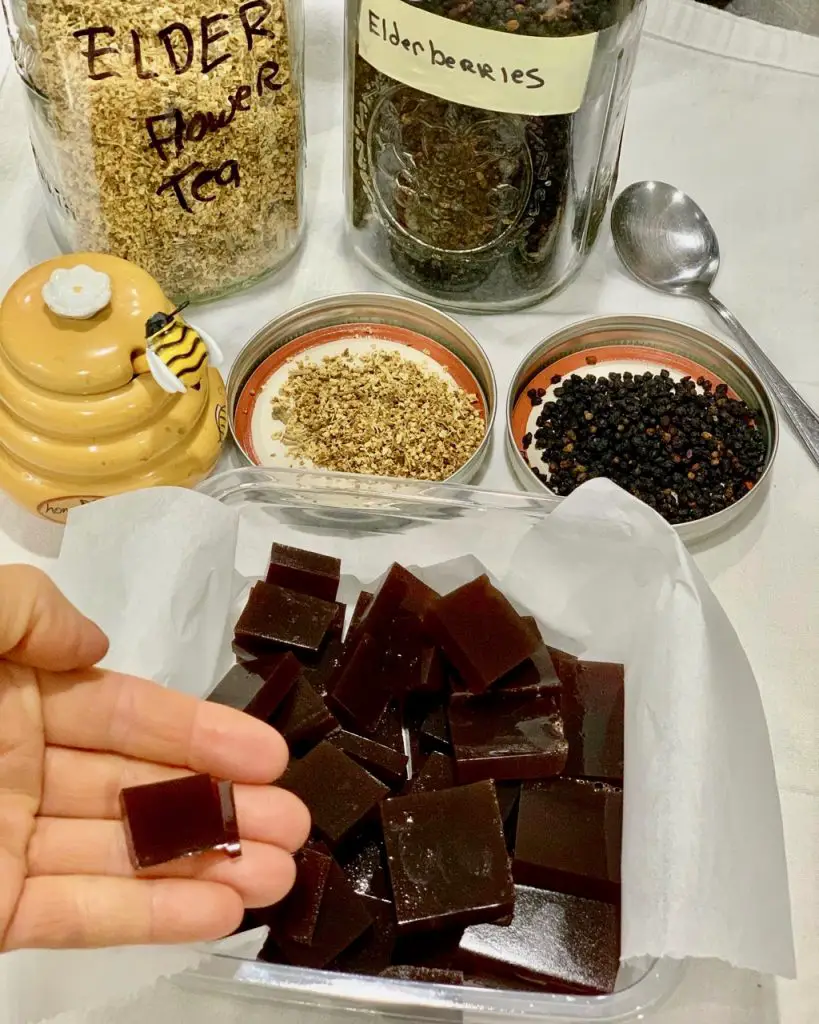
- The agar agar is also the gelatin I prefer when making Wellness Gummies.
Gelatin sheets are still new to me, as I’ve discovered from watching Great British Bake Off, which seems to be the only type of gelatin used.
However, I will need to experiment a little more with this type of gelatin, which comes in various levels of firmness, before I can recommend them.
Lemons Limes and Orange Oh My!
There is something inspiring about a mound of citrus, in the dead of winter, especially when there is less sunshine and too many contagious bugs floating around.
I don’t think I’ve ever loaded up on so many nutrient rich foods as I have done in these past few years, hoping to ward off our new and weird diseases, from a weak or vulnerable immune system.
While winter has its own charm, I can’t help but long for the refreshing smells and colors of spring and summer; and so, while at the market, the other day in the dead of winter, I came across an inspiration I could not refuse.
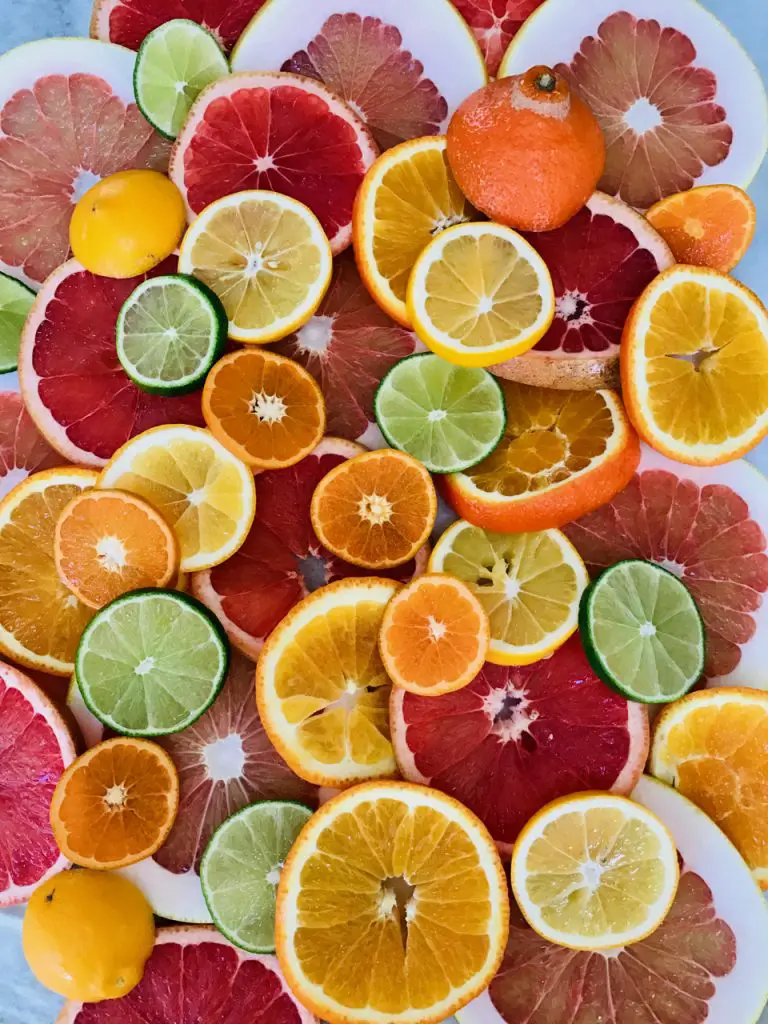
I filled a bag with Grapefruits, Lemons, Limes, and Oranges, and off I went to my kitchen to create something that would allow me to eat them all in one dish.
How To Make Citrus Gelatin Desserts
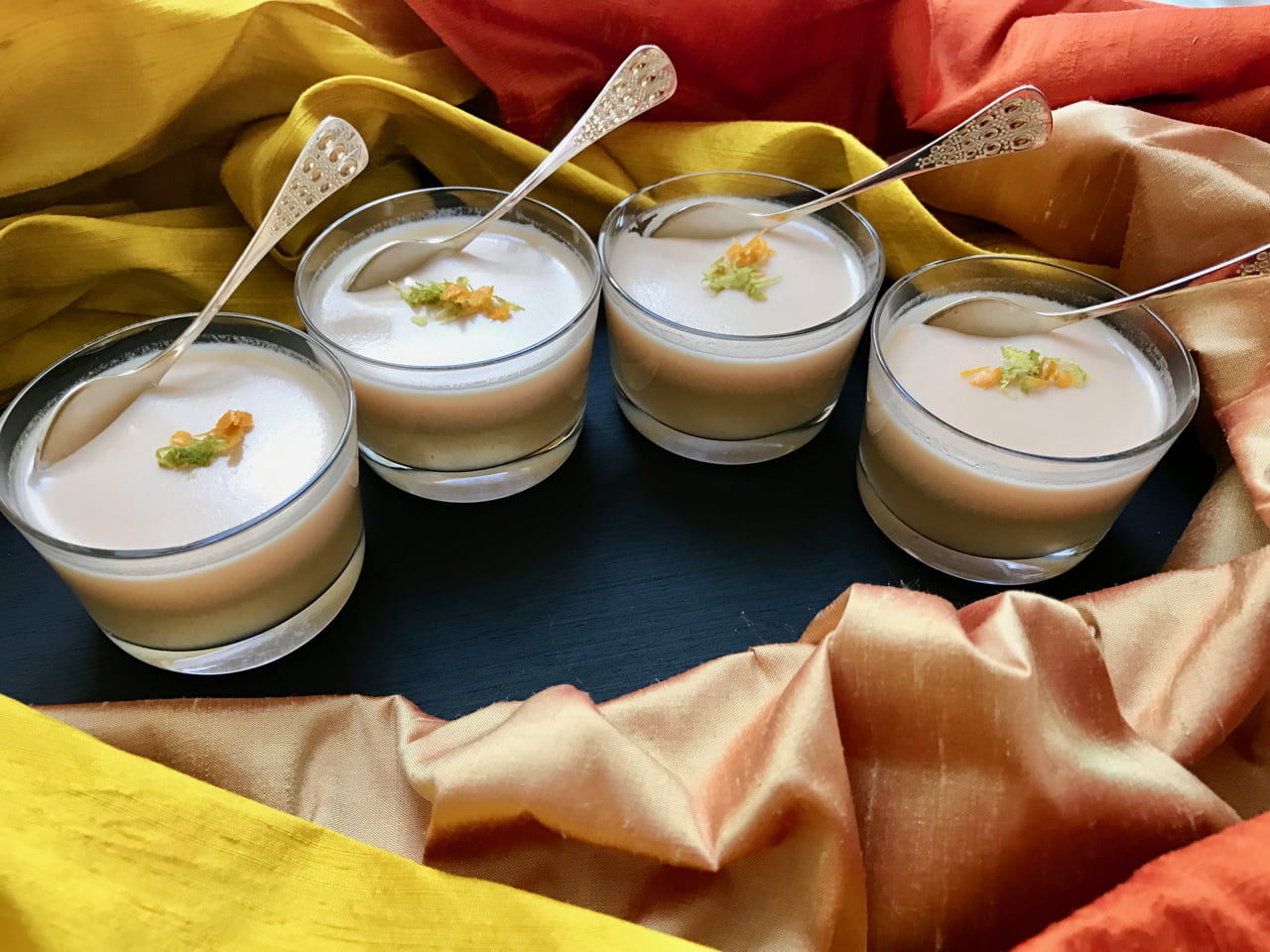
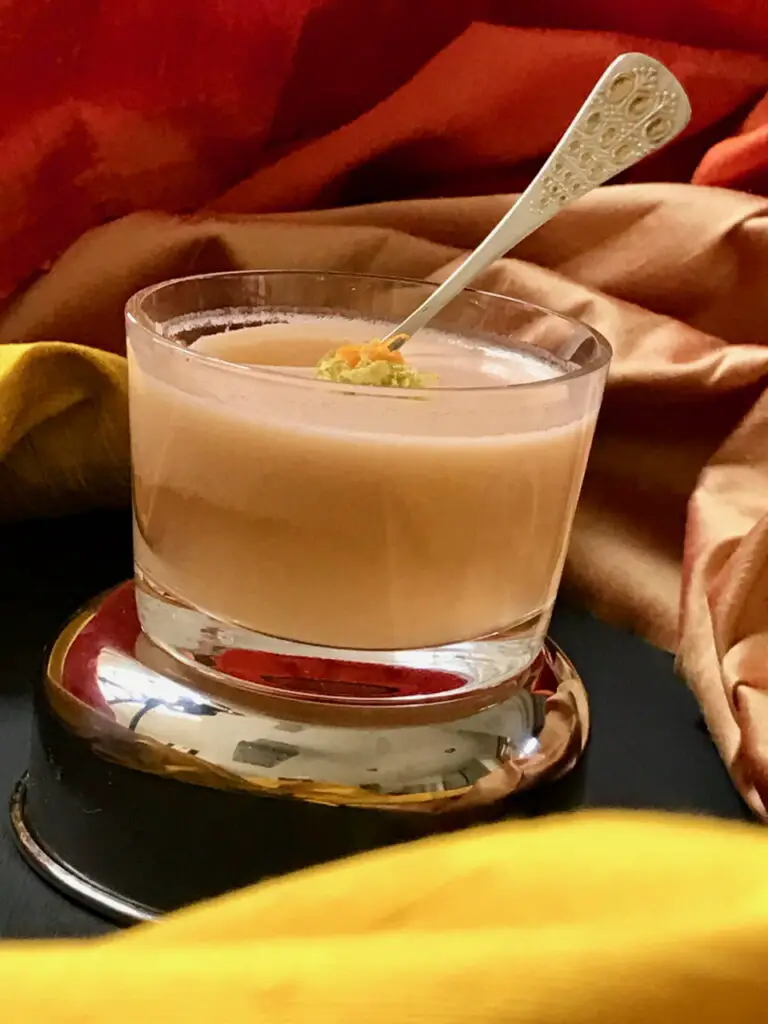
These little Citrus Gelatins (Aspics), are now one of my favorite desserts.
I found also that by cutting back just a bit on the sugar, they make for a refreshing palate cleanser for those multi course meals.
Zest some of the citrus rinds for this recipe to make for a more concentrated citrus flavor, and then peel the remaining rind, saving some for garnish.
Puree the fruit, strain the juice from the pulp, and you have a lovely blend of citrus juices, not to forget to add the zest to the juice.
The rest is easy:
- Simply dissolve a little sugar and gelatin with the freshly squeezed juices.
- Add a velvety dimension with coconut milk or other types of creamy milk.
- This refreshing mixture will set in about an hour, and is sure to satisfy.
Let’s not forget the added benefit of that extra boost of protein in this refreshing dessert!
Ingredients Needed
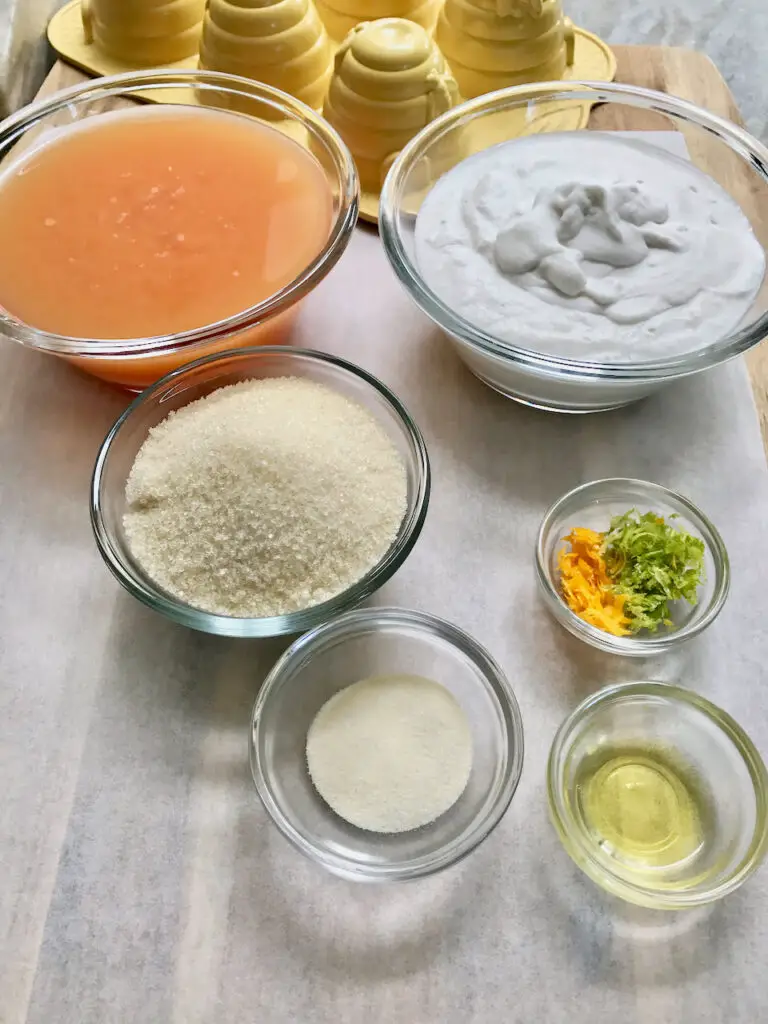
At its heart, this citrus gelatin is about contrast, light and creamy, bright and floral, structured yet delicate. Each ingredient plays a quiet but essential role.
- Fresh Lemon, Lime and Orange Juice – Using freshly squeezed citrus makes all the difference here. Lemon brings clarity and lift, lime adds a gentle bitterness and edge, while orange rounds everything out with warmth and sweetness. Together, they create a layered citrus profile, vibrant but not sharp, sunny without overwhelming the palate.
- Sugar or sweetener of choice – The sweetener is not meant to dominate, but to soften the citrus and coax out its natural perfume. Whether you choose classic sugar, honey, or another alternative, sweetness here acts as a bridge, rounding acidity and allowing the floral and creamy notes to bloom.
- Orange blossom water or orange extract – This is the whispering note of this dessert. Just a small amount transforms the gelatin from simple to evocative, introducing a gentle floral aroma that recalls spring blossoms and warm air. Orange blossom water, in particular, lends a timeless, almost Mediterranean elegance, something that is simply a treasured ingredient of my heritage.
- Coconut milk, or milk of choice – Creaminess tempers the brightness of citrus, giving the dessert its silky body. Coconut milk adds a subtle richness and softness that pairs beautifully with orange and blossom, while dairy or plant-based milks offer flexibility without sacrificing elegance.
- Gelatin – either a bovine gelatin or agar agar, a plant gelatin – The structure of the dessert comes from gelatin, allowing it to set with a tender, barely-there wobble. Traditional bovine gelatin creates a soft, delicate texture, while agar agar offers a plant-based alternative with a slightly firmer, clean finish, both equally beautiful when treated gently.
- Water – Often overlooked, water is the quiet foundation. It dilutes and balances, ensuring the citrus remains refreshing rather than intense, and allowing the gelatin to set smoothly without heaviness.
Equipment Needed
This dessert asks very little of the kitchen, just a few well-chosen tools and a bit of patience.
- Small saucepan – Used to gently warm the citrus mixture and dissolve the sweetener and gelatin. A small pan allows for careful control, ensuring nothing overheats and the flavors remain clean and fresh.
- Whisk – A whisk keeps the mixture smooth and unified, helping the gelatin dissolve evenly and the citrus and milk come together without separation. It’s a quiet but crucial step toward that silky final texture.
- Large mixing bowl – Once the mixture leaves the heat, a spacious bowl allows everything to cool slightly and blend evenly. It’s also where the dessert begins to feel calm and composed, no rush, just gentle mixing.
- 6 2-oz glass serving bowls – Small glass bowls turn this simple dessert into something refined. Their clarity showcases the soft color of the citrus gelatin and emphasizes portioning that feels intentional and elegant rather than heavy.
- Citrus press – Fresh juice is essential here, and a citrus press makes quick work of lemons, limes, and oranges while extracting their brightest flavor without bitterness.
- Strainer – Straining the juice removes pulp and seeds, creating a smooth, polished finish, an extra step that elevates the final texture and appearance.
- Refrigerator – The final and most patient tool. Time in the refrigerator allows the gelatin to set slowly, transforming a liquid mixture into a softly trembling dessert that feels light, refreshing, and complete.
How to Make Lemon Jello – Citrus Gelatin
Equipment
- Medium saucepan
- 6 small serving cups
Ingredients
- 2 cups Fresh Lemon juice, orange juice, or any mix of citrus juices
- 6 strips Lemon peel for garnish1/2
- 1/2 cup Sugar, or natural sweetener of choice
- 1 tsp Orange blossom water or natural extract
- 1 1/2 cups Coconut milk
- 1 tbsp Gelatin powder
- 1/4 cup Water to dissolve gelatin
Instructions
- Peel and thinly slice enough lemon peel (orange or lime) to use as garnish. With a citrus press, extract enough juice from the citrus options of your choice, to make 2 cups of freshly squeezed juice.
- In a medium saucepan, over medium heat, place the sugar and one cup of the fruit juice. Simmer and stir until the sugar is dissolved, about 5-minutes. Remove from the heat and whisk in the orange blossom.
- In a large bowl, place the gelatin and water together, whisk until the gelatin is dissolved. Stir in the Orange blossom syrup mixture, remaining citrus juices along with the coconut milk. Whisk until well blended.
- Pour mixture into serving dishes, jello mold, fancy individual molds or even a muffin tin. Place in the refrigerator until firm, about an hour, or overnight.
- Un-mold, if in mold cups, or serve in cups the jello mixture set in, and garnish with citrus zest or whipped cream, if desired.
Video
Notes
How To Make Lemon Jello – Velvety Smooth Dairy-free Citrus Gelatin

I believe the table... that place that draws people to gather, is the most powerful symbol of togetherness. All that happens before the table is set, the planning, the gathering, the preparing, are all an intricate part of the dance that create the mood of celebration to share with friends and loved ones.