
Learn how to make the best homemade tahini recipe with raw or toasted sesame seeds. Smooth, nutty, cost-effective, and fresher than store-bought.
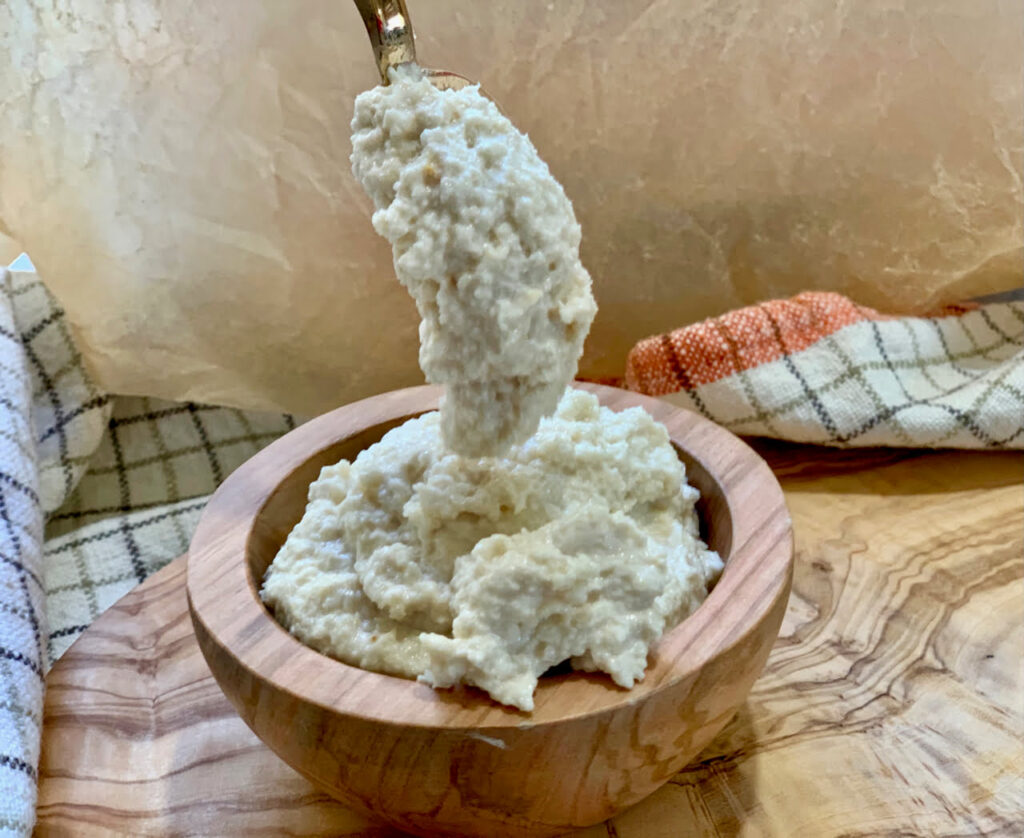
Sesame Seed Tahini
Who knew such a tiny seed could have such an amazing flavor and history! I love knowing where my ingredients come from, and thanks to The Pacific Spice company, I was able to learn lots about sesame seed history.
While I’ve only known sesame seeds in the tahini I grew up with, both toasted and untoasted sesame seed oil and Halvah, my favorite candy as a kid, the history of sesame seeds fascinated me.
It was said that they are the oldest known oilseed plants in history and that the plant has been cultivated for over 4,000 years.
Leave it to the east and far east to gift the world with so many rich flavors and history of those flavors.

What Does The Word Tahini Mean And Where Does It Come From?
Growing up in a multicultural home, I heard so many different languages in my home that to this day, I pick up languages easily. Arabic was spoken by my mother’s parents, of which I grew familiar with its sound, though never learned to speak more than ‘kitchen Arabic’.
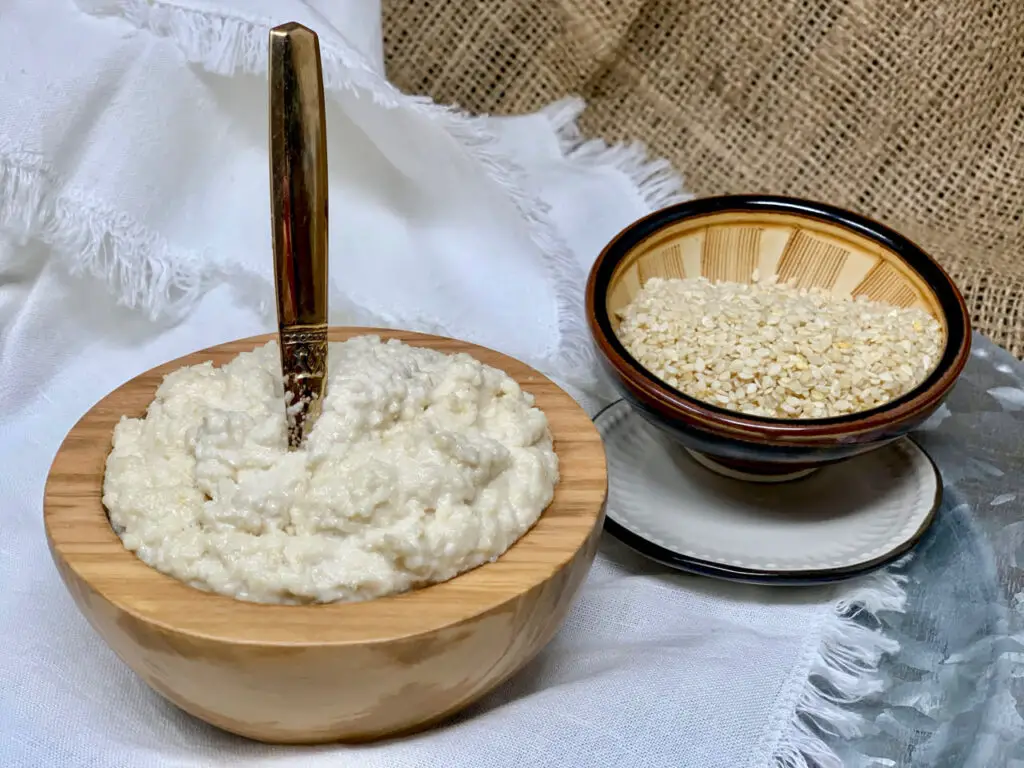
That being said, the word ‘Tahini’ is an Arabic word, that means ‘to grind’. Tahini is the Arabic word for sesame seeds that have been ground into a paste.
It’s probably a good thing that back in the day, folks didn’t have TV or radio, or even electric, for that matter. The making of tahini back then was made by spending laborious hours grinding these tiny seeds with a mortar and pestle.
Authentic Homemade Tahini
Now that many people have embraced the passion for making their own nut butter, or nut milk, it’s time to realize something else. Did you know that we can make many products, we assume must be store bought, better at home?
Homemade tahini has a softness and depth that store-bought versions often lose during long shelf storage. The flavor is rounder, nuttier, and slightly sweet from freshly toasted sesame seeds. And the best part? It takes just minutes to make.
Once you try it, you may find yourself reaching for tahini far more often than you expected. Stir it into dressings, swirl it into soups, drizzle it over roasted vegetables, or whisk it with lemon and garlic for a sauce that instantly elevates grilled meats and vegetables.
Shelf life for store bought tahini must mean it has preservatives in it, in order to make it last so long. When we buy sesame seeds, they come with an expiration date before they turn rancid, a smell that is a definite indication that the oils in the seeds have gone bad.
What Is Tahini?
Until hummus became popular in America, most home cooks never heard of tahini. Having grown up with a Syrian mother, tahini was always in our pantry and required an hour drive to a specialty market to buy. Not anymore, most grocery stores sell it now!
Tahini is simply a smooth, creamy paste made from ground sesame seeds. It’s a staple ingredient in many Middle Eastern, Mediterranean, and North African cuisines and is known for its nutty, slightly bitter, and deeply savory flavor.
Additionally, like nuts, there is oil in the seeds, so you will also benefit from the nutritional sesame seed oil when you add tahini to your recipes.
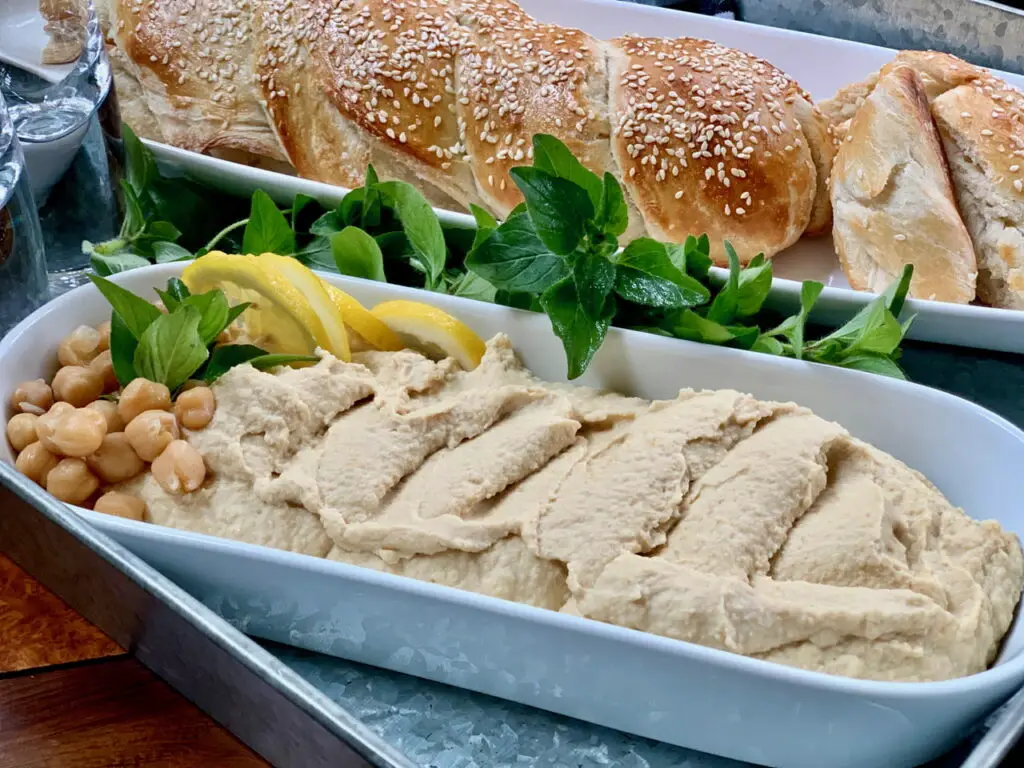
Homemade Recipe With Tahini
Surprisingly, there are many more recipes that are made with tahini than hummus and baba ganoush, which is how many of us first came to know tahini. Undeniably tahini is what makes both of these luscious dips, luscious and gives them their velvety texture.
But let’s not just think of tahini for savory dishes.
I have made the most delicious cookies and ice cream with tahini but the real beauty is my Tahini Custard Pie; tahini in the crust, tahini in the custard filling.
And if you don’t take my word for it, go over to PBS and check out what the judges on The Great American Recipe had to say about it!
- Mediterranean Tahini Custard Pie – is made with a sweet creamy sesame tahini custard and a cookie-like sesame seed pie crust!

Tahini Brings The Flavor To Homemade Hummus
Hummus is one of the most beloved and recognizable dishes of Middle Eastern cuisine. At its heart, hummus is beautifully simple,blended chickpeas, garlic, lemon juice, olive oil, and tahini, yet when these ingredients come together, they create a dip or spread that is creamy, bright, and deeply satisfying. Served with warm flatbread, fresh vegetables, in place of mayo on a sandwich or alongside grilled foods, hummus has a way of turning the simplest meal into something comforting and flavorful.
One ingredient in particular gives hummus its signature depth: Tahini. Those tiny sesame seeds that make tahini rich and nutty balances the earthy chickpeas and the brightness of lemon. It acts almost like a flavor bridge, rounding out the garlic, enhancing the olive oil, and giving hummus that unmistakable creamy body. Without tahini, hummus can taste flat, but with it, the dip becomes layered, complex, and wonderfully smooth.
- Grandma’s Traditional Homemade Hummus – the authentic recipe passed down through my Syrian family. An easy, velvety puree of homemade cooked chickpeas, with her tahini recipe, garlic, lemons and love.
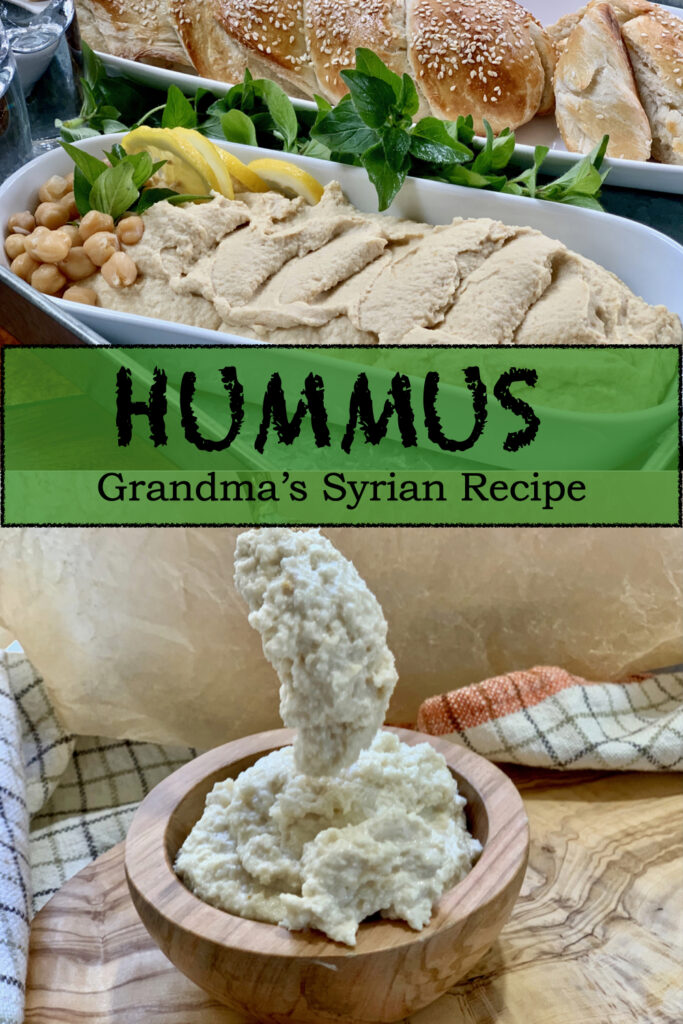
Homemade Tahini Salad Dressing – Better Than Store Bought Dressings
A bright, creamy tahini dressing is one of those simple sauces that can instantly bring a dish to life. Made with fresh Tahini, plenty of lemon juice, garlic, and good olive oil, this classic Middle Eastern-style dressing is both bold and beautifully balanced. The tahini provides a rich, nutty base while the lemon adds brightness and the garlic brings a gentle bite that wakes up every flavor.
When whisked together, these humble ingredients transform into a smooth, silky dressing that clings perfectly to crisp greens, roasted vegetables, or grain bowls. It’s the kind of sauce that feels both rustic and luxurious at the same time—proof that a few honest ingredients can create something truly memorable. Fresh, vibrant, and deeply satisfying, this homemade tahini salad dressing is a delicious way to let the flavor of sesame shine.
- Mediterranean Tahini Salad Dressing – with homemade sesame seed tahini paste, lemons, garlic and good olive oil makes the best dressing and sauce.
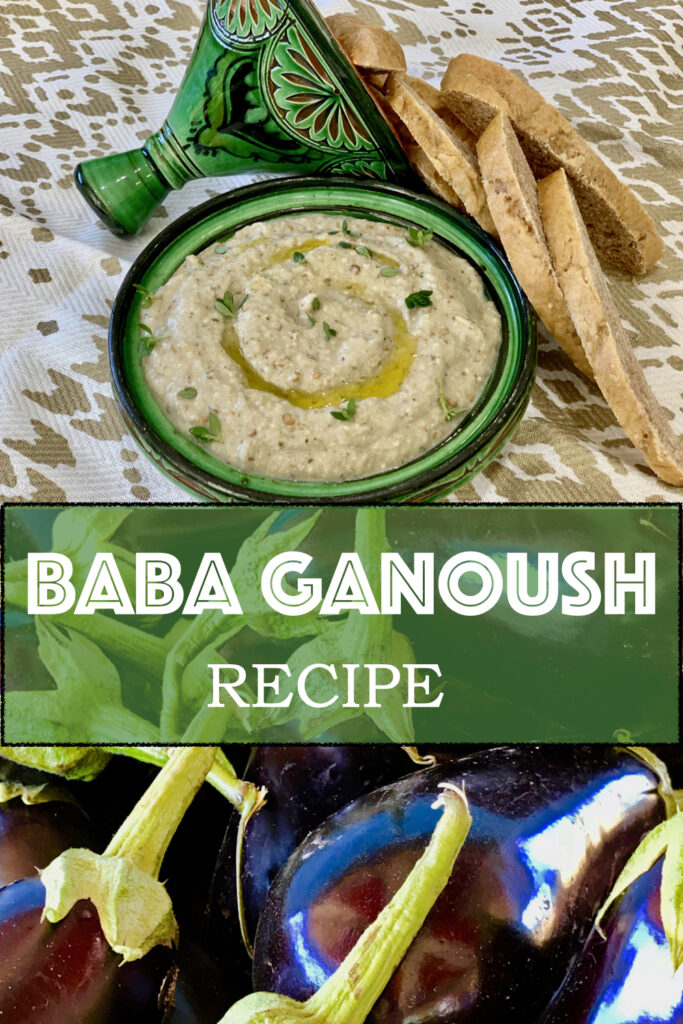
Best Homemade Baba Ganoush Recipe
Silky, smoky, and deeply savory, Baba ghanoush is one of the great treasures of Middle Eastern cooking. Made from smoked, then roasted eggplant that’s blended with garlic, lemon, olive oil, and a touch of Tahini, this humble dip transforms simple ingredients into something wonderfully rich and complex.
The secret to its beautiful balance is tahini. Its creamy texture and nutty depth mellow the natural smokiness of the roasted eggplant, while lemon brightens the flavor and garlic adds a gentle kick. Together, these ingredients create a dip that is smooth, earthy, and full of character, perfect for scooping up with warm bread or fresh vegetables.
- Grandma’s Baba Ganoush Recipe – the creamy, garlicky, smoky eggplant dip, from a long line of Syrian grandmas?
Origin Of Tahini
The origin of Tahini? My house! Hah, just kidding; my mother was a first generation Syrian American. We always had weird food in our house, none of my friends had, so, I changed friends! Once I started hanging out with friends from various Mediterranean regions, Italians, Greeks and Iranians, my food seemed normal.
In short, tahini was originally from each of these regions of the world and finally made its way to most American grocery stores. While the convenience of buying a multitude of imported foods makes life easier now, I wouldn’t trade making many of these items myself.
How To Make Homemade Tahini
Should a lightly toasted flavor in your tahini be desired, you will toast the seeds first for just a few minutes, and I mean only a few.
If you prefer the natural raw, almost sweet taste of sesame seeds, then no toasting is necessary, and you are ready to jump right in.
- First, we will want to soak the sesame seeds in water for 6 hours or overnight. This can be done after toasting them, if you are looking for a more toasted flavor.
- Then we will drain the seeds, place in a small processor or blender, and puree with a little salt and oil, preferably sesame seed oil or olive oil.
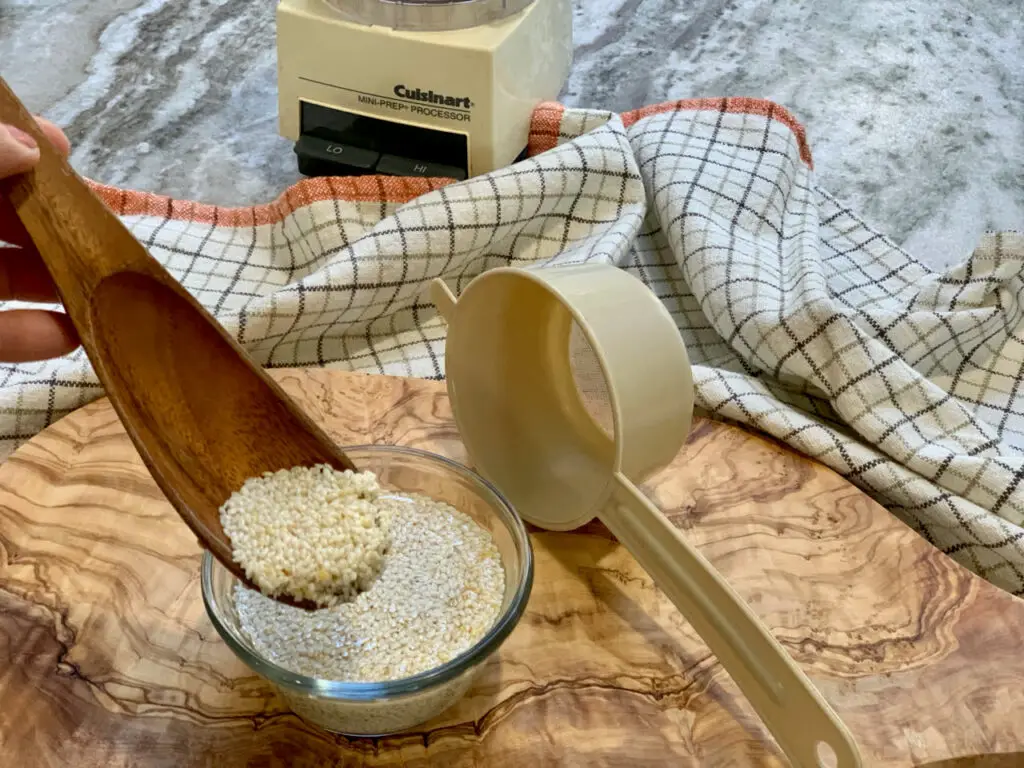
For Tahini Better Than Store Bought You Will Need A Food Processor
Since the seeds are so tiny, it takes time for the blade to really do its job, but no worries, eventually it becomes paste.
A large food processor is not necessary, just a small, yet strong, blender or processor.
Thank goodness we don’t have to make Tahini with a mortar and pestle, though that technique will work too!
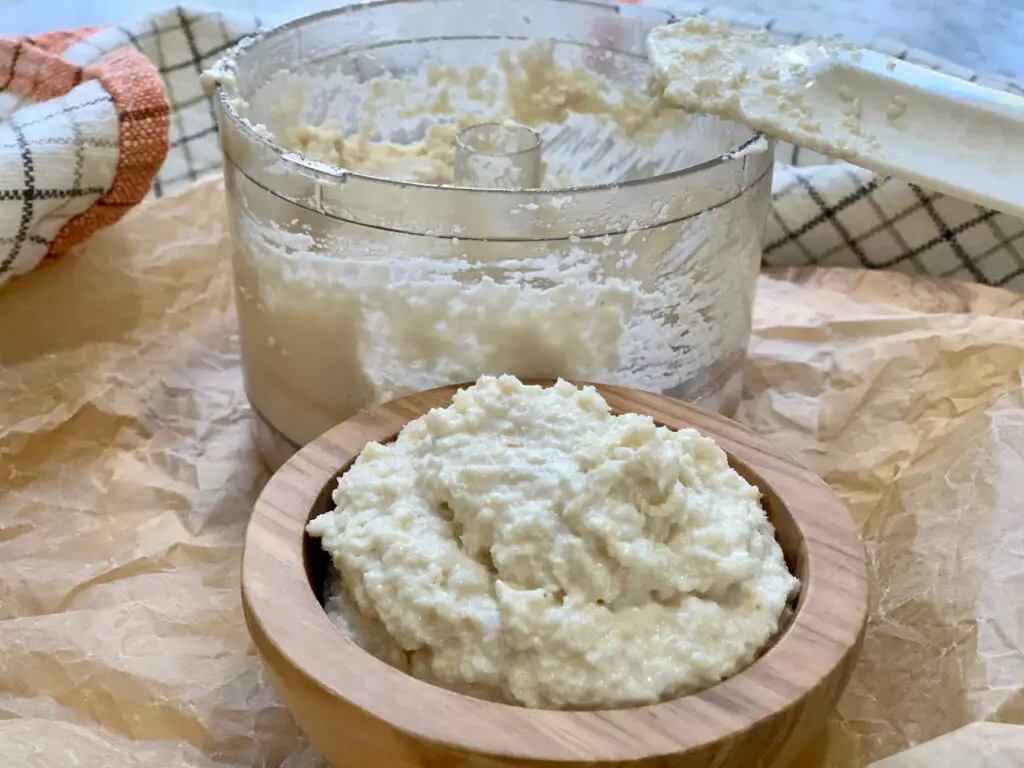
How To Store Homemade Tahini
The approach to storing homemade tahini is in an airtight container. It can last for up to 6 months in the refrigerator.
Before using the tahini, it is best to let it sit room temperature for a bit, stir well to incorporate the separated oils from the pureed seeds. Simply take what is needed and return the unused portion back to the fridge.
Also, it works quite well to freeze small batches of homemade tahini for a few months, but refrigeration works best, as freezing often changes the taste of foods.
Ingredients Needed To Make Homemade Tahini
The beauty of homemade Tahini lies in its simplicity. Each ingredient plays an important role in building the smooth texture and balanced flavor that makes tahini so versatile.
- Sesame Seeds – Sesame seeds are the heart of tahini. When lightly toasted and blended, these tiny seeds release their natural oils and develop a warm, nutty flavor that defines the character of tahini. You can use either raw sesame seeds for a milder taste or gently toast them first to deepen the flavor and aroma.
- Salt – A small pinch of salt enhances the natural nuttiness of the sesame seeds and rounds out the overall flavor. It’s subtle but important, helping the tahini taste fuller and more balanced.
- Water – Water helps loosen the ground sesame seeds as they blend, creating a smoother and more spreadable consistency. Adding water a little at a time allows you to control the thickness, depending on whether you prefer a thicker paste or a softer, pourable tahini.
- Olive Oil or Untoasted Sesame Oil – A drizzle of good olive oil or neutral, untoasted sesame oil adds silkiness and helps the tahini blend into a creamy, velvety paste. The oil also enriches the flavor and gives the finished tahini a beautiful, glossy texture.
Equipment Needed
Making homemade Tahini is simple, but having the right tools makes the process smooth and efficient. Here’s what you’ll need:
- Bowl for Soaking – If you’re using raw sesame seeds, a bowl is perfect for soaking them. This softens the seeds slightly, helping them blend into a creamier, smoother paste.
- Food Processor – A high-quality food processor is essential for turning the seeds into a velvety tahini. It grinds the sesame seeds evenly and allows you to gradually add water and oil for the perfect consistency.
- Measuring Tools – Accurate measuring cups and spoons ensure the right balance of seeds, water, salt, and oil, giving you consistent flavor and texture every time.
- Glass Jar with a Lid for Storage – Once your tahini is made, store it in a clean glass jar with a tight-fitting lid. Tahini keeps well in the fridge for several weeks, and glass jars prevent it from absorbing unwanted flavors while making it easy to scoop or pour.

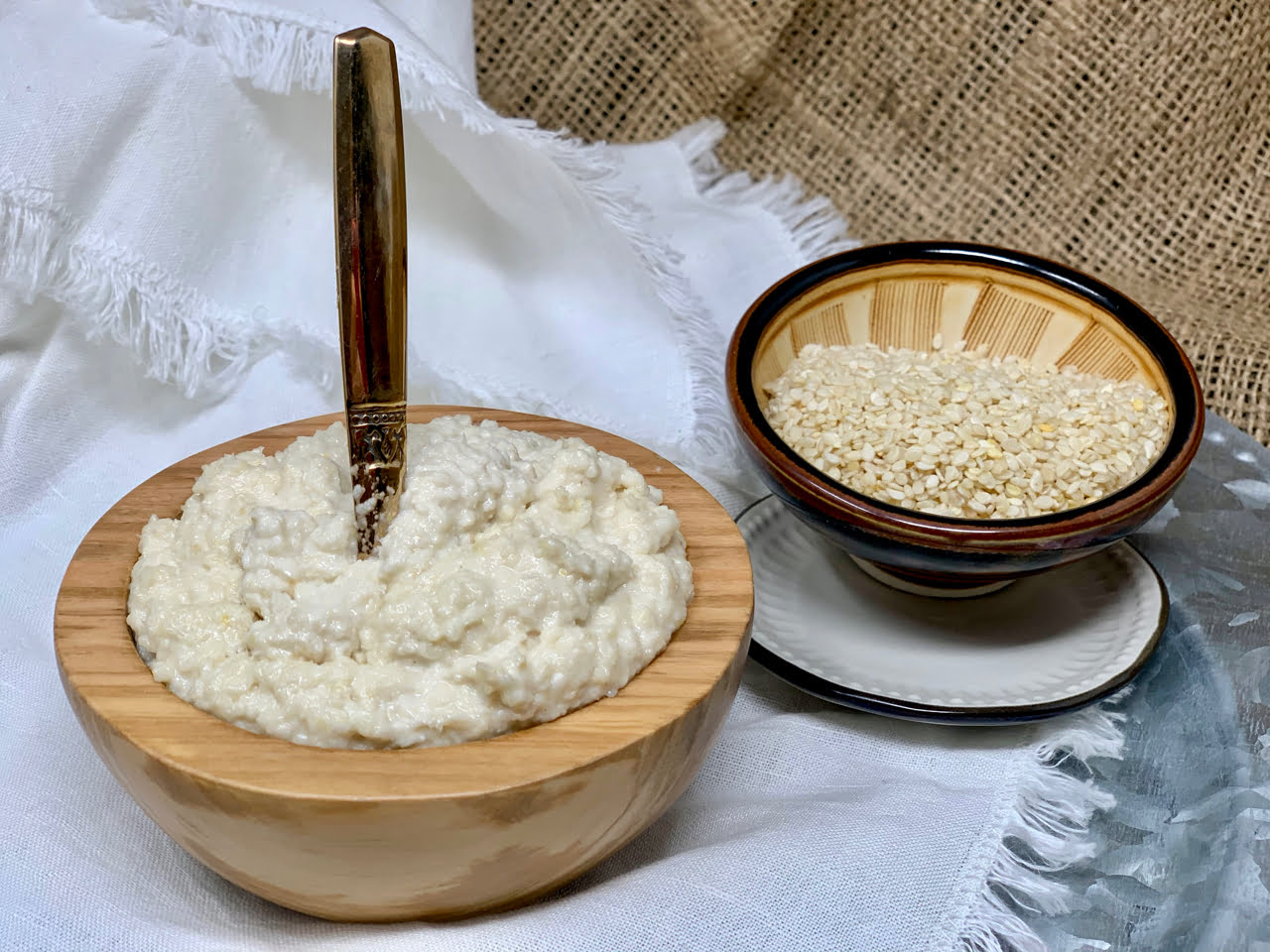
Best Homemade Tahini Recipe – Better Than Store Bought
Equipment
- Small food processor or blender
Ingredients
- 1 1/2 cups Raw sesame seeds *see notes for toasting
- 1/2 cup Water
- Salt to taste, optional
- 1/3 cup Olive oil or Sesame oil (untoasted) good quality either way
Instructions
- Soak sesame seeds in water for 6 hours or over night. Drain.
- In a small processor or blender place the drained sesame seeds, salt (if using) and oil. Puree until the tiny seeds pulverize and become a paste. The time it takes will depend on your blender or processor, about 5-minutes.
- Store in an airtight container for up to 6 months in the refrigerator.
Video
Notes

I believe the table... that place that draws people to gather, is the most powerful symbol of togetherness. All that happens before the table is set, the planning, the gathering, the preparing, are all an intricate part of the dance that create the mood of celebration to share with friends and loved ones.
Absolutely divine, Miss Pea! Love!
Thank you my friend! Yummy Arab Stuff! xoxo